試す 金 - 無料
Mrs. Dalloway's Midlife Crisis
The Atlantic
|September 2025
Virginia Woolf's wild run of creativity in her 40s included writing her masterpiece on the terrors and triumphs of middle age.
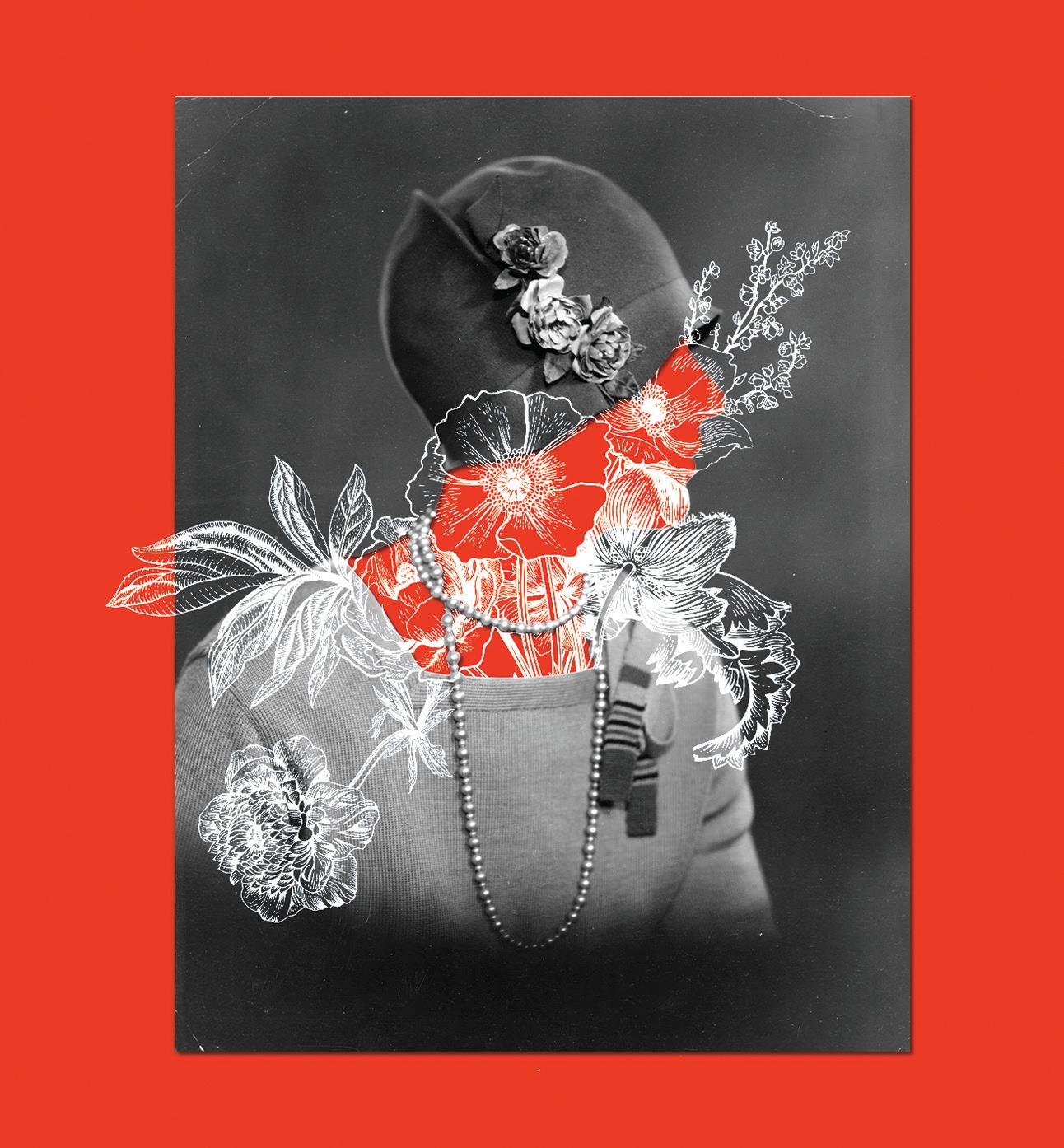
Mrs. Dalloway always had gray hair. She first appears in Virginia Woolf's debut novel, The Voyage Out (1915)—trilling, ladylike, often imperious, and looking “like an eighteenth-century masterpiece,” with a pink face and “hair turning grey.” She doesn’t seem to age or regress between The Voyage Out and Mrs. Dalloway, which was published 10 years later and is now celebrating its 100th anniversary. In that novel, her hair is tinged the same color, and she has “a touch of the bird about her, of the jay, blue-green, light, vivacious.” Then the kicker: “though she was over fifty.”
The novel’s centennial has occasioned a flurry of events and new editions, but not as much consideration of what I would argue is the most enduring and personal theme of the work: It is a masterpiece of midlife crisis. Woolf was 40 when she began writing the novel, a decade younger than her protagonist but in the midst of what she called her own “middle age.” As she chronicled in her crackling, astute diary, it was a moment to weigh what one has made and can make of a life.
For Woolf, it ignited a creative fire. In the summer of 1923, about halfway through her work on Mrs. Dalloway, she wrote, “My theory is that at 40 one either increases the pace or slows down. Needless to say which I desire.” She went on to catalog her extensive ongoing projects, including an essay on Chaucer, the revision of a slew of old essays, and what she termed “'serious' reading.” And all of this came during a sustained burst of fiction writing that Woolf—whose work had been derailed by mental breakdowns and spells of illness—relished. From the fall of 1922 through 1924, she got Mrs. Dalloway on paper at a furious rate; in doing so, she reckoned with the incongruity of middle age as she lived it.

このストーリーは、The Atlantic の September 2025 版からのものです。
Magzter GOLD を購読すると、厳選された何千ものプレミアム記事や、10,000 以上の雑誌や新聞にアクセスできます。
すでに購読者ですか? サインイン
The Atlantic からのその他のストーリー
The Atlantic
The Eighth Deadly Sin
Humankind has devised a new form of debasement.

5 mins
May 2026

The Atlantic
The Art of the (New) Deal
What the murals of the Wilbur J. Cohen Federal Building can teach us about patriotism, propaganda, and beauty
12 mins
May 2026

The Atlantic
New Chairs
Collaboration, for Robert Rauschenberg and Merce Cunningham, began with the arrangement of chairs.
1 mins
May 2026

The Atlantic
HISTORY IS RUNNING BACKWARDS
Why reactionaries are taking over the world
21 mins
May 2026

The Atlantic
SOMEDAY IN TEHRAN
Like Donald Trump, I, too, once underestimated the Islamic Republic of Iran.
16 mins
May 2026

The Atlantic
On Losing a Daughter
The people we were died at the exact moment our child did.
19 mins
May 2026

The Atlantic
I Found It: The Best Free Restaurant Bread in America
Thirteen thousand miles. Infinite contenders. One beautiful loaf.
15 mins
May 2026

The Atlantic
EVERYTHING IS FREE AND NOTHING MATTERS
What I saw at Jeff Bezos's Campfire retreat
9 mins
May 2026

The Atlantic
Who Is Black Comedy For?
A new book is nostalgic for the '90s. But the era of crossover success was not necessarily the pinnacle of Black comedic achievement.
8 mins
May 2026

The Atlantic
The Feeling of Becoming Less and Less of a Person
In Ben Lerner's new novel, technology divides us further from one another, and ourselves.
9 mins
May 2026
Listen
Translate
Change font size