Versuchen GOLD - Frei
Mrs. Dalloway's Midlife Crisis
The Atlantic
|September 2025
Virginia Woolf's wild run of creativity in her 40s included writing her masterpiece on the terrors and triumphs of middle age.
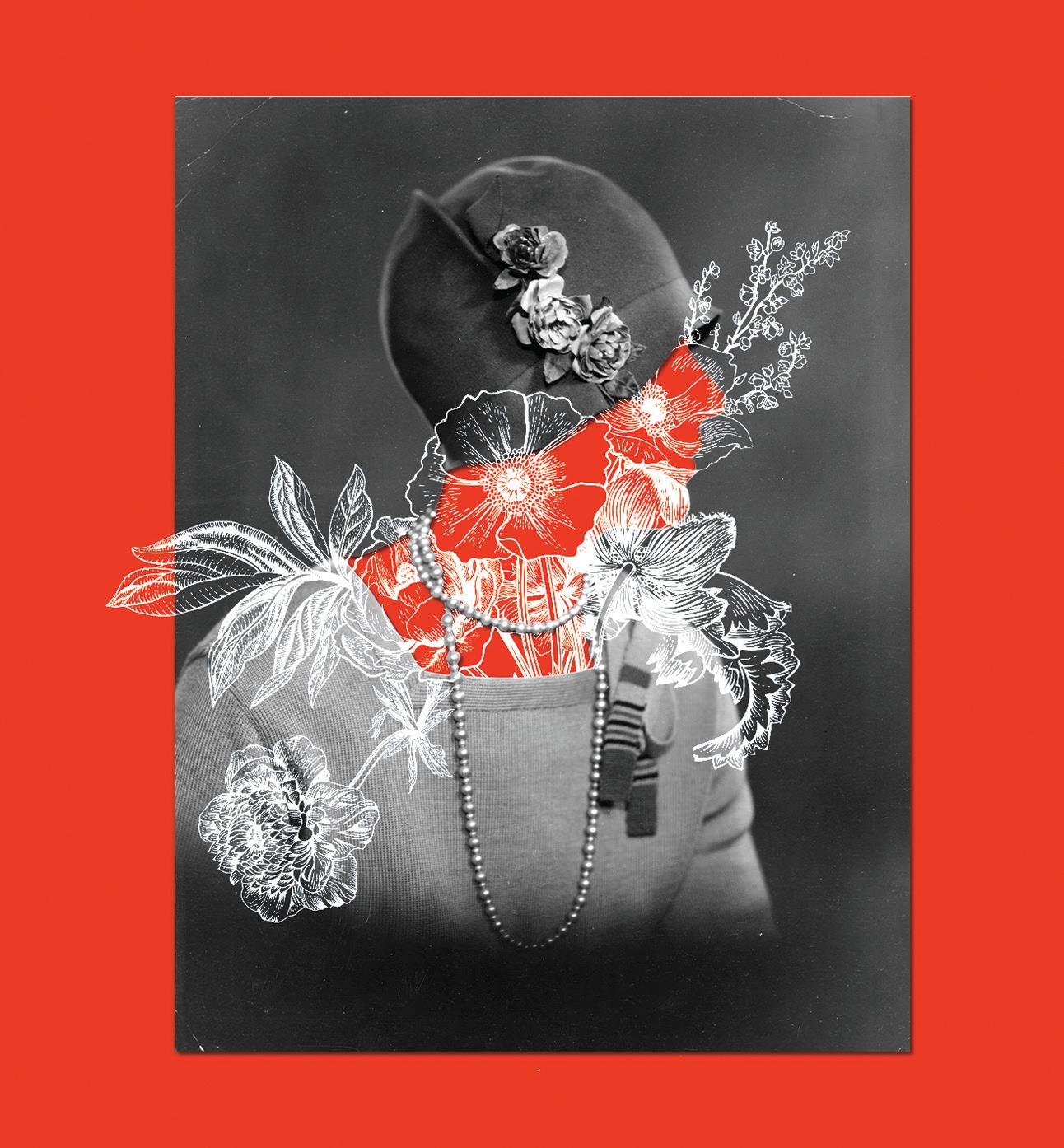
Mrs. Dalloway always had gray hair. She first appears in Virginia Woolf's debut novel, The Voyage Out (1915)—trilling, ladylike, often imperious, and looking “like an eighteenth-century masterpiece,” with a pink face and “hair turning grey.” She doesn’t seem to age or regress between The Voyage Out and Mrs. Dalloway, which was published 10 years later and is now celebrating its 100th anniversary. In that novel, her hair is tinged the same color, and she has “a touch of the bird about her, of the jay, blue-green, light, vivacious.” Then the kicker: “though she was over fifty.”
The novel’s centennial has occasioned a flurry of events and new editions, but not as much consideration of what I would argue is the most enduring and personal theme of the work: It is a masterpiece of midlife crisis. Woolf was 40 when she began writing the novel, a decade younger than her protagonist but in the midst of what she called her own “middle age.” As she chronicled in her crackling, astute diary, it was a moment to weigh what one has made and can make of a life.
For Woolf, it ignited a creative fire. In the summer of 1923, about halfway through her work on Mrs. Dalloway, she wrote, “My theory is that at 40 one either increases the pace or slows down. Needless to say which I desire.” She went on to catalog her extensive ongoing projects, including an essay on Chaucer, the revision of a slew of old essays, and what she termed “'serious' reading.” And all of this came during a sustained burst of fiction writing that Woolf—whose work had been derailed by mental breakdowns and spells of illness—relished. From the fall of 1922 through 1924, she got Mrs. Dalloway on paper at a furious rate; in doing so, she reckoned with the incongruity of middle age as she lived it.

Diese Geschichte stammt aus der September 2025-Ausgabe von The Atlantic.
Abonnieren Sie Magzter GOLD, um auf Tausende kuratierter Premium-Geschichten und über 9.000 Zeitschriften und Zeitungen zuzugreifen.
Sie sind bereits Abonnent? Anmelden
WEITERE GESCHICHTEN VON The Atlantic
The Atlantic
You Had to Be There
An emerging field of history asks if we can ever really understand how our forebears experienced love, anger, fear, and sorrow.

23 mins
January 2026

The Atlantic
By the Horns
The week before the biggest bullfight of her career, in Cádiz, Spain, this past July, 24-year-old Miriam Cabas posted a carefully produced video on Instagram.
1 mins
January 2026

The Atlantic
The New German War Machine
After World War II, Germany embraced pacifism as a form of atonement. Now the country is arming itself again.
18 mins
January 2026
The Atlantic
The Eloquence
The prime minister was watching a disaster movie when we found him.
4 mins
January 2026

The Atlantic
What's for Dinner, Mom?
The women who want to change the way America eats
12 mins
January 2026

The Atlantic
How Terror Works
A 1947 German novel explores the sometimes corrosive, sometimes energizing nature of fear.
8 mins
January 2026

The Atlantic
Yesterday's Idea of a Modern Man
Sam Shepard, a self-made cowboy, was also a poet of masculine angst.
7 mins
January 2026

The Atlantic
ACCOMMODATION NATION
America's colleges have an extra-time-on-tests problem.
11 mins
January 2026

The Atlantic
Respect the Drummer
A new history of rock, told through its overlooked heroes
5 mins
January 2026

The Atlantic
THE MOST POWERFUL MAN IN SCIENCE
WHY IS ROBERT F. KENNEDY JR. SO CONVINCED HE'S RIGHT?
42 mins
January 2026
Listen
Translate
Change font size