
Magzter GOLDで無制限に
10,000以上の雑誌、新聞、プレミアム記事に無制限にアクセスできます。
5 red flags for online mental-health content
TIME Magazine
|September 25, 2023
THE CLASSIC VISION OF THERAPY REVOLVED AROUND A PERSON ON A COUCH, SUPINE, TAPPING into their deepest and darkest hopes and fears to a seated guy with a beard.
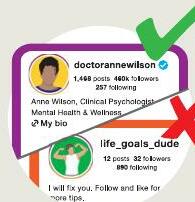
A modern-day remix might look like this: still on a couch, but at home, scrolling through a constantly refreshing selection of mental-health content on social media platforms like TikTok and Instagram. Though it may feel therapeutic, experts advise proceeding with caution. As an increasing number of psychologists step into the role of mental-health influencer, opening the door to fame and financial incentives, their posts are reaching millions of people. It can be difficult to suss out which so-called experts are credible and whether their information is trustworthy-risking misinformation and harmful misunderstandings.
If your algorithm is feeding you mental-health content, keep an eye out for these red flags
1. The person running the account doesn't share their credentials

このストーリーは、TIME Magazine の September 25, 2023 版からのものです。
Magzter GOLD を購読すると、厳選された何千ものプレミアム記事や、10,000 以上の雑誌や新聞にアクセスできます。
すでに購読者ですか? サインイン
Translate
Change font size