
استمتع بـUnlimited مع Magzter GOLD
احصل على وصول غير محدود إلى أكثر من 9000 مجلة وصحيفة وقصة مميزة مقابل
5 red flags for online mental-health content
September 25, 2023
|TIME Magazine
THE CLASSIC VISION OF THERAPY REVOLVED AROUND A PERSON ON A COUCH, SUPINE, TAPPING into their deepest and darkest hopes and fears to a seated guy with a beard.
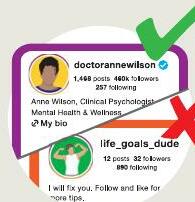
A modern-day remix might look like this: still on a couch, but at home, scrolling through a constantly refreshing selection of mental-health content on social media platforms like TikTok and Instagram. Though it may feel therapeutic, experts advise proceeding with caution. As an increasing number of psychologists step into the role of mental-health influencer, opening the door to fame and financial incentives, their posts are reaching millions of people. It can be difficult to suss out which so-called experts are credible and whether their information is trustworthy-risking misinformation and harmful misunderstandings.
If your algorithm is feeding you mental-health content, keep an eye out for these red flags
1. The person running the account doesn't share their credentials


هذه القصة من طبعة September 25, 2023 من TIME Magazine.
اشترك في Magzter GOLD للوصول إلى آلاف القصص المتميزة المنسقة، وأكثر من 9000 مجلة وصحيفة.
هل أنت مشترك بالفعل؟ تسجيل الدخول
Translate
Change font size