
Magzter GOLDで無制限に
10,000以上の雑誌、新聞、プレミアム記事に無制限にアクセスできます。
試す 金 - 無料
Legal Limitations
Outlook
|April 11, 2025
Delimitation, if done mechanically, could fracture India's federal fabric. If done wisely, it could strengthen democracy
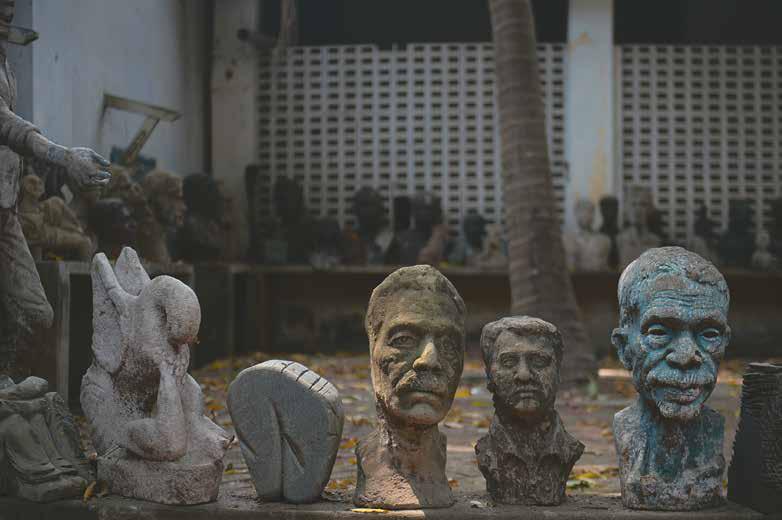
ONE man, one vote; one vote, one value is an ideal situation for a large nation. However, while there can be no cavil at one man, one vote, it is the equalisation of the value of each vote by redrawing constituencies to ensure that they all have approximately the same number of voters, is where the Indian Union of States has a problem.
The Indian Republic is anchored around large Hindi-speaking states with burgeoning poor populations. Other states, especially the southern states that have successfully implemented family planning and have grown richer in the process, fear being overwhelmed in a constitutional structure that will turn them into powerless revenue farms, for an expanding Indo-Gangetic horde. Thus, the idea of a fair delimitation of Lok Sabha constituencies evokes strong reactions.
Population-based representation seems intuitive. More people should mean more seats. Yet, in India, this logic creates an imbalance. The South, with its lower population growth, is penalised. The North, with its higher fertility rates, is rewarded. Is this democracy, or a distortion of federal fairness?
The Indian union is also an agglomeration of distinct languages, cultures and regions. To compound this mixture into a homogeneous indistinguishable mass at the federal level may end up effacing identities and cultures built up over millennia.
The Indian Constitution originally envisaged periodic delimitation. The framers believed that seats should be adjusted based on changing population patterns and Article 82 mandated it. In 1976, the Emergency era government of Indira Gandhi made a choice to freeze delimitation as per the populations ascertained by the 1971 census. Population control was a priority.
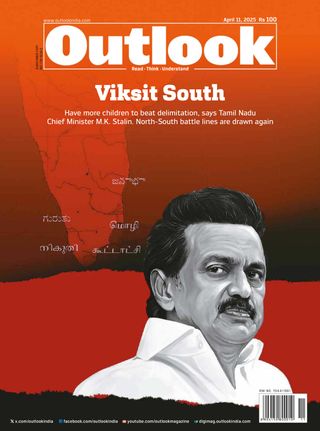

このストーリーは、Outlook の April 11, 2025 版からのものです。
Magzter GOLD を購読すると、厳選された何千ものプレミアム記事や、10,000 以上の雑誌や新聞にアクセスできます。
すでに購読者ですか? サインイン
Outlook からのその他のストーリー

Outlook
'Why GDP Growth Doesn't Always Translate Into Votes'
The recent election results have once again shown that economic growth alone does not guarantee electoral victory.

3 mins
June 06, 2026

Outlook
Lights, Camera, Othering
The establishment of Israel has been accompanied by a national cinema devoted to negating and erasing the Palestinian Other
5 mins
June 06, 2026

Outlook
Goodbye to All That
Booker-winning British author Julian Barnes' Departure(s) is a unique hybrid work: playful, philosophical, whimsical
4 mins
June 06, 2026

Outlook
Collapse of Trust
As the NEET-UG 2026 paper leak forced the cancellation of India’s biggest medical entrance exam, more than 22 lakh aspirants find themselves trapped in uncertainty
11 mins
June 06, 2026

Outlook
NO LONGER A TWELFTH MAN
Bihar cricket, which has languished in the shadows for long, is all set to improve its strike rate, thanks to Vaibhav Sooryavanshi, the new Bihari kid on the block
5 mins
June 06, 2026

Outlook
BLAZE OF GLORY
The challenges of being a celebrity cricketer at a young age can be tough to handle
5 mins
June 06, 2026

Outlook
THE SWASHBUCKLERS
A new generation of fearless stars is emerging and finding its feet at the very top of an extremely competitive cricketing environment
5 mins
June 06, 2026

Outlook
THE TEEN TORNAD
At the age of 15, Vaibhav Sooryavanshi is already a cricketing legend
10 mins
June 06, 2026
Outlook
A Journey to Remember
The prerecorded message crackled over the din in the compartment: ‘Welcome to the Shatabdi Express.
4 mins
June 06, 2026

Outlook
Crossing Borders
Ruth Martin is the translator of German-Iranian author Shida Bazyar’s novel The Nights are Quiet in Tehran (originally written in German), which has been shortlisted for the 2026 International Booker Prize.
4 mins
June 06, 2026
Listen
Translate
Change font size