
Magzter GOLDで無制限に
10,000以上の雑誌、新聞、プレミアム記事に無制限にアクセスできます。
試す 金 - 無料
Forever Hotel
Outlook
|July 11, 2025
This novel is a flawed, luminous, maximalist love letter to Kolkata’s layered soul
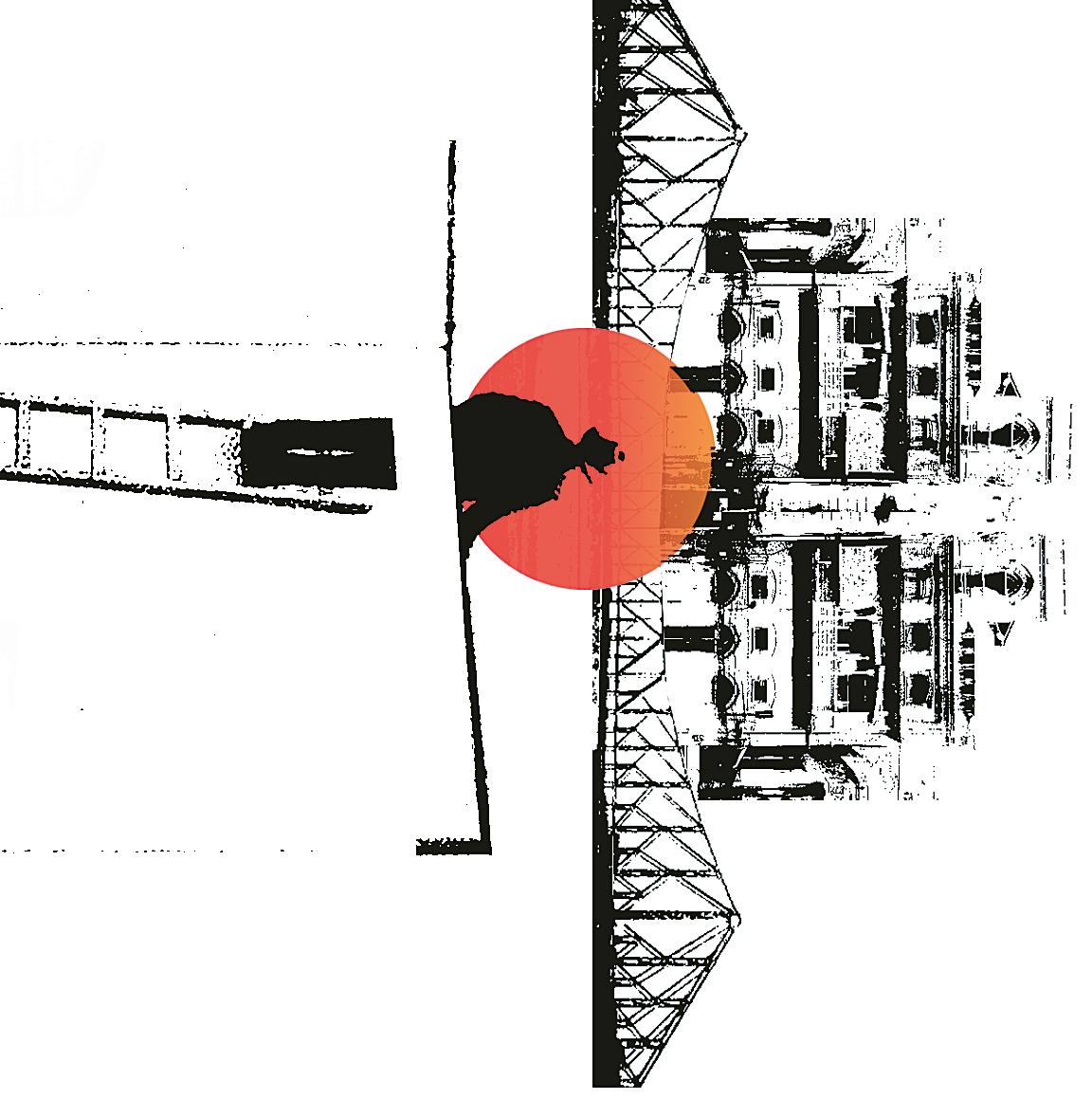
SOME novels try to tell a story. Others try to build a city. Great Eastern Hotel, Ruchir Joshi’s second novel and most ambitious work to date, is unapologetically the latter—a 900-page fugue on memory, ruin, revolution, and the unending labour of understanding a metropolis that resists coherence. What Joshi attempts here is not just a story of Kolkata, but a reconstruction of its soul. As readers, we do not walk through this novel so much as haunt it—room by room, riot by riot, brushstroke by breadcrumb.
If Sacred Games was Bombay’s maximalist mirror and The Shadow Lines the map of Kolkata’s memory, then Great Eastern Hotel is Kolkata’s mosaic. It’s a book where chronology buckles under the weight of history and art, where the dead refuse to stay silent, and where the eponymous hotel—the former ‘Jewel of the East’—stands as both edifice and echo, repository and riddle.
At the heart of this grandly discursive novel is Saki, also known as Robi Nagasaki Jones-Majumdar, an architectural scholar and reluctant narrator tasked with cataloging the works—and life—of a man he can neither wholly admire nor fully escape: Kedar Nath Lahiri. Kedar is the novel’s haunted keystone. A rakish zamindar’s son turned painter, Kedar is colonial modernity incarnate—a multilingual, sensual, politically indifferent yet culturally voracious urbane man. A lover of women, music, and drink, he floats above the political tremors of his age like a flaneur with a sketchbook. His paintings—described but not exalted—are less masterpieces than symptoms. In fact, the most profound act of artistry Kedar commits may be his destruction of them. Kedar, Joshi insists, is not the artist; the city is.


このストーリーは、Outlook の July 11, 2025 版からのものです。
Magzter GOLD を購読すると、厳選された何千ものプレミアム記事や、10,000 以上の雑誌や新聞にアクセスできます。
すでに購読者ですか? サインイン
Outlook からのその他のストーリー

Outlook
Joy Words Club
Lit fests are defined by their audience. Organisers, speakers, curators are all replaceable but not the readers, not the audience

4 mins
February 01, 2026

Outlook
The Sting of the Bar
India today has more than 4.3 lakh undertrial prisoners. A significant number of them are linked to political cases
8 mins
February 01, 2026
Outlook
The Dispossessed
The systematic creation of criminal and security legislations view Adivasis as an inherently suspect class of criminals and terrorists
8 mins
February 01, 2026

Outlook
The Hypocrisy of Liberals
Favour of the self-proclaimed 'liberals' is lost the minute religion intervenes
5 mins
February 01, 2026
Outlook
Inside the Phansi Yard
Death row intensifies the structured brutalities of the penal system and reminds us why the struggle against the death penalty must also include the fact of prison violence
9 mins
February 01, 2026
Outlook
The Detention Legacy
Since Independence, a number of laws have been enacted that allow preventive detention which have been widely used by all regimes against their political opponents
7 mins
February 01, 2026
Outlook
“This Could Happen to You
The Bhima Koregaon case is not only about those who were imprisoned. It is also about the fate of democracy itself
8 mins
February 01, 2026

Outlook
"I Remember Swinging Between Hope and Despair"
HOPE and despair are basic human emotions and I believe that all human beings, now and then, swing between these two ends of the spectrum in life.
2 mins
February 01, 2026

Outlook
Think Ink
In 2026-the 'year of analog'-how will our relationship with literary festivals evolve?
6 mins
February 01, 2026

Outlook
Who Stole My Youth?
A Delhi district court granted Mohammad Iqbal bail in the riots case within three months. On March 18, 2025, he was discharged in the Babbu murder case, even as the riots trial continues
6 mins
February 01, 2026
Listen
Translate
Change font size