
Magzter GOLDで無制限に
10,000以上の雑誌、新聞、プレミアム記事に無制限にアクセスできます。
Crime Without Punishment
Outlook
|November 21, 2025
The system protects those who commit caste violence while blaming victims for asserting dignity
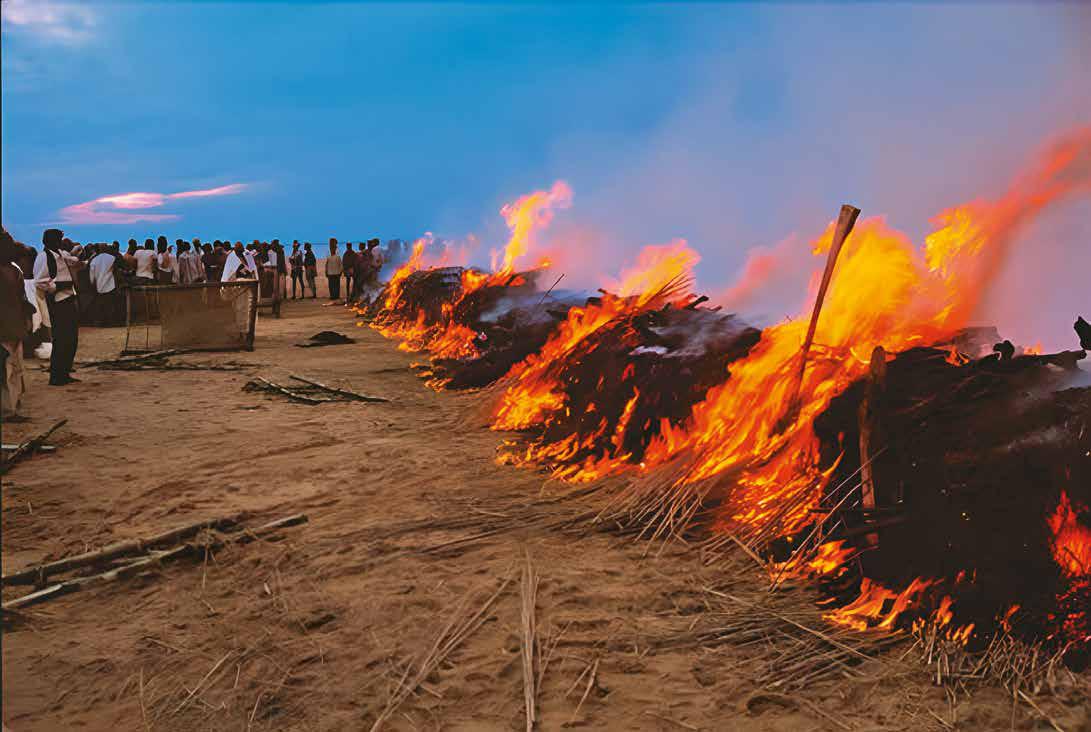
WITHIN the span of days, two incidents have laid bare the entrenched caste realities of contemporary India and the impunity that the Hindutva regime has institutionalised.
On October 6, 2025 a 71-year-old lawyer hurled a shoe at Chief Justice of India B.R. Gavai, a Dalit, inside the Supreme Court, defiantly shouting “Sanatan ka apmaan nahi sahega Hindustan” (India will not tolerate insult to Sanatan Dharma). He was released without charges, his shoe returned, facing no consequences for attacking the country’s highest judicial authority. The very next day, October 7, Additional Director General of Police Y. Puran Kumar, also a Dalit, died by suicide at his Chandigarh residence, leaving an eight-page note describing years of caste humiliation and harassment by senior officers. Despite huge public outrage, nothing has been done to the perpetrators.
These two events, occurring within 24 hours, are not aberrations but revelations of a deeper malaise—the normalisation of caste violence and Brahminical supremacy under a majoritarian Hindutva order that has erased accountability for crimes committed in the name of Sanatan Dharma or Hindu honour. One incident reflects physical assault on a Dalit constitutional authority without reprisal; the other, psychological persecution that drove a senior officer to death. Together, they expose an ecosystem where Dalits—irrespective of office, achievement, or rank—remain vulnerable to humiliation and violence sanctioned by ideological impunity.
These are not isolated tragedies but logical outcomes of the Hindutva project that the ruling regime has consolidated over the past decade—an order that weaponises religion to defend caste and punishes dignity itself.
The Shoe That Revealed Everything

このストーリーは、Outlook の November 21, 2025 版からのものです。
Magzter GOLD を購読すると、厳選された何千ものプレミアム記事や、10,000 以上の雑誌や新聞にアクセスできます。
すでに購読者ですか? サインイン
Outlook からのその他のストーリー

Outlook
The Big Blind Spot
Caste boundaries still shape social relations in Tamil Nadu-a state long rooted in self-respect politics

8 mins
December 11, 2025

Outlook
Jat Yamla Pagla Deewana
Dharmendra's tenderness revealed itself without any threats to his masculinity. He adapted himself throughout his 65-year-long career as both a product and creature of the times he lived through
5 mins
December 11, 2025

Outlook
Fairytale of a Fallow Land
Hope Bihar can once again be that impossibly noisy village in Phanishwar Nath Renu's Parti Parikatha-divided, yes, but still capable of insisting that rights are not favours and development is more than a slogan shouted from a stage
14 mins
December 11, 2025

Outlook
The Lesser Daughters of the Goddess
The Dravidian movement waged an ideological war against the devadasi system. As former devadasis lead a new wave of resistance, the practice is quietly sustained by caste, poverty, superstition and inherited ritual
2 mins
December 11, 2025

Outlook
The Meaning of Mariadhai
After a hundred years, what has happened to the idea of self-respect in contemporary Tamil society?
5 mins
December 11, 2025

Outlook
When the State is the Killer
The war on drugs continues to be a war on the poor
5 mins
December 11, 2025

Outlook
We Are Intellectuals
A senior law officer argued in the Supreme Court that \"intellectuals\" could be more dangerous than \"ground-level terrorists\"
5 mins
December 11, 2025

Outlook
An Equal Stage
The Dravidian Movement used novels, plays, films and even politics to spread its ideology
12 mins
December 11, 2025
Outlook
The Dignity in Self-Respect
How Periyar and the Self-Respect Movement took shape in Tamil Nadu and why the state has done better than the rest of the country on many social, civil and public parameters
5 mins
December 11, 2025

Outlook
When Sukumaar Met Elakkiya
Self-respect marriage remains a force of socio-political change even a century later
7 mins
December 11, 2025
Listen
Translate
Change font size