試す 金 - 無料
PARADISE PARADOX
Women's Health US
|September 2023
After moving from cities to rural areas, many women struggle with their mental well-being. Experts explain why naturally beautiful areas aren't a panacea, and offer coping mechanisms.
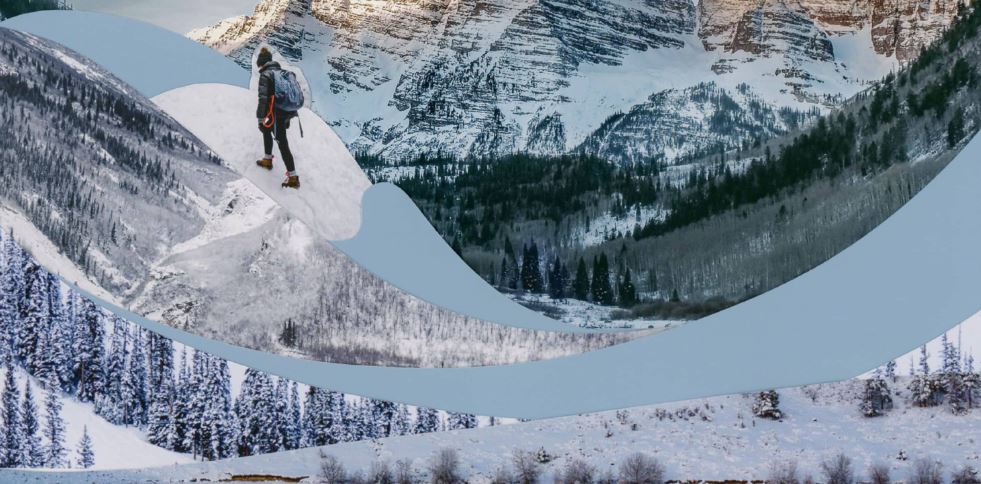
Going out to glam events multiple times a week was a big part of Amanda Moran's life when she lived in Miami. But just before the COVID-19 pandemic officially shut everything down in 2020, she escaped to Boulder, Colorado, to get closer to nature to explore its healing properties while enrolled in an herbalism program.
There, she traded skyscrapers for tall pines and mountains, and nights out for days on the trails. Instead of spending time in restaurants and clubs, Moran foraged wildflowers to turn into tinctures. At first, she loved it.
"I thought, This is the best place in the world," says Moran, now 29, who cofounded the botanical-infused beverage company Beauty Booze after her move.
But after only one euphoric year in Boulder, the honeymoon phase waned. She felt alone. As a first-generation immigrant from Brazil, she missed her community of Portuguese-speaking friends in Miami, as well as the perks of the big city. For Moran, being in a more nature-centric environment "definitely wasn't life-changing in the way that I thought it was going to be, long-term."
Mass Migration
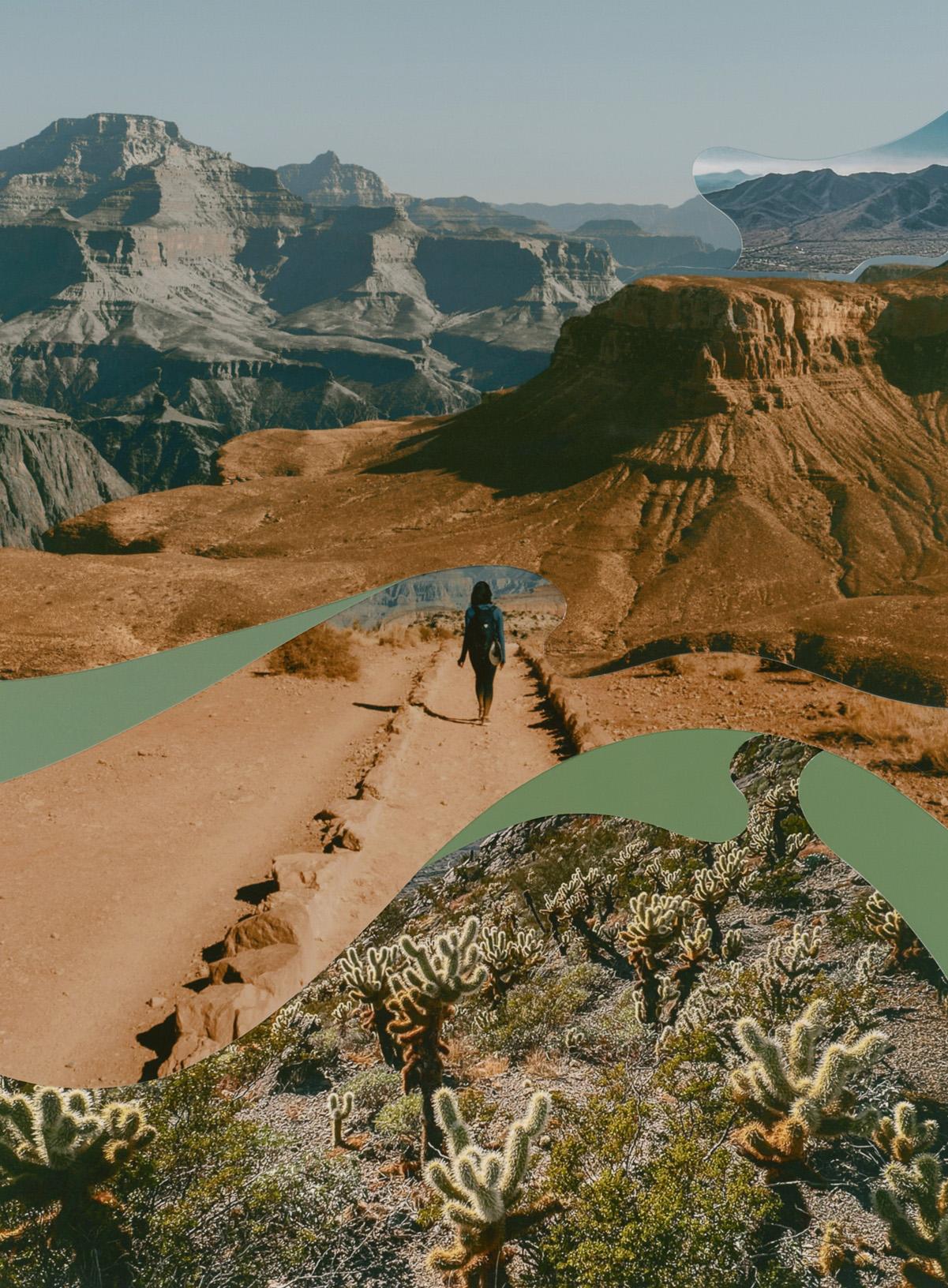
Hundreds of thousands of people moved from urban areas to smaller cities and towns during the pandemic. For many, moving was a way to escape the risks and restrictions of densely populated areas that were impacting their mental health, says Ariel Landrum, LMFT, a therapist at Guidance Teletherapy Family Counseling Inc.
But what many might not have realized is that folks in more remote and rural parts of the country have long struggled with mental health issues. In fact, a cluster of states in the Mountain West that exploded in population at the height of COVID is known as the Suicide Belt.


このストーリーは、Women's Health US の September 2023 版からのものです。
Magzter GOLD を購読すると、厳選された何千ものプレミアム記事や、10,000 以上の雑誌や新聞にアクセスできます。
すでに購読者ですか? サインイン
Women's Health US からのその他のストーリー
Women's Health US
Choose Your Own Muscle Adventure
DIFFERENT TOOLS, DIFFERENT VIBES, DIFFERENT TRAINERS, ONE GOAL: TO HELP YOU MAKE THIS YOUR STRONGEST YEAR YET.

8 mins
Winter 2026

Women's Health US
finisher
A cardio queen no more, Jennifer Aniston, 56, is all in on resistance training now.
1 mins
Winter 2026

Women's Health US
zen and the art of shredding
After two consecutive gold-medal runs at the Olympics, snowboarder Chloe Kim was burnt out on...everything. Here's how she got back on track and ready to rip it at the 2026 Milano Cortina Games.
7 mins
Winter 2026
Women's Health US
Not Your Average Run Club
Grief is isolating.
8 mins
Winter 2026

Women's Health US
The Calorie Counting Conundrum
No matter how much the convo around weight changes with the times, one practice remains cemented in our brains and behaviors. Can we ever shake it?
14 mins
Winter 2026

Women's Health US
Stronger Together
Let's be real: No couple reaches their 10-, 15-, or 50-year anniversary without a lot of blood, sweat, tears, and protein smoothies. But the dedicated, loving, and downright adorable duos who do make it? They have one thing in common: They've figured out a shared strength (or two) that cements them for the long haul.
9 mins
Winter 2026

Women's Health US
Crashing Out Is the New Burnout
But you don't have to do either. Learn how to take control of your mental health, sans memes.
6 mins
Winter 2026
Women's Health US
The Protein Drink Boom Is Here
Some buzzy beverages claim to be absorbed faster to give you bigger strength gains. We dug into what's legit.
3 mins
Winter 2026
Women's Health US
How to Guard (and Gain!) Muscle on GLP-1s
As weight-loss drug usage surges, so does a new priority: holding on to hard-earned strength.
8 mins
Winter 2026

Women's Health US
winter wonders
How seven Olympic and Paralympic athletes find motivation and keep their cool on the road to the 2026 Games.
14 mins
Winter 2026
Translate
Change font size