
Mit Magzter GOLD unbegrenztes Potenzial nutzen
Erhalten Sie unbegrenzten Zugriff auf über 9.000 Zeitschriften, Zeitungen und Premium-Artikel für nur
PARADISE PARADOX
Women's Health US
|September 2023
After moving from cities to rural areas, many women struggle with their mental well-being. Experts explain why naturally beautiful areas aren't a panacea, and offer coping mechanisms.
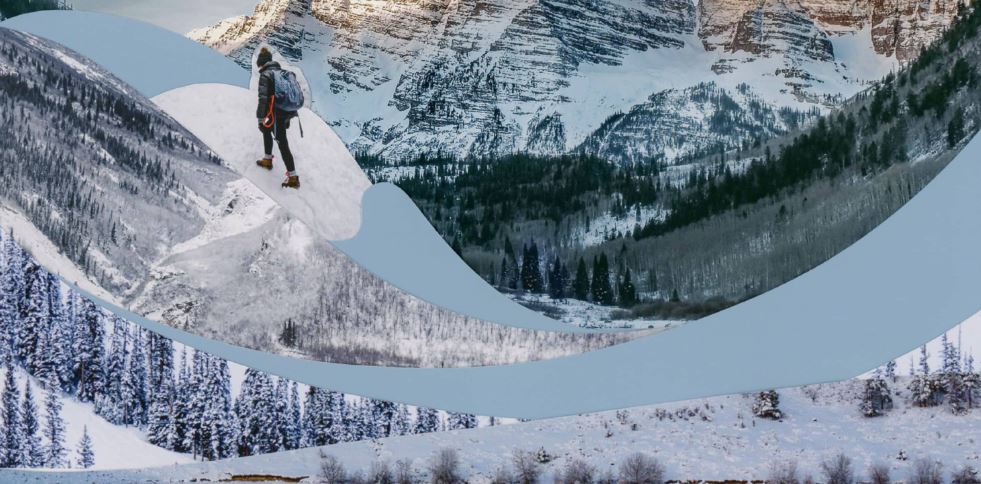
Going out to glam events multiple times a week was a big part of Amanda Moran's life when she lived in Miami. But just before the COVID-19 pandemic officially shut everything down in 2020, she escaped to Boulder, Colorado, to get closer to nature to explore its healing properties while enrolled in an herbalism program.
There, she traded skyscrapers for tall pines and mountains, and nights out for days on the trails. Instead of spending time in restaurants and clubs, Moran foraged wildflowers to turn into tinctures. At first, she loved it.
"I thought, This is the best place in the world," says Moran, now 29, who cofounded the botanical-infused beverage company Beauty Booze after her move.
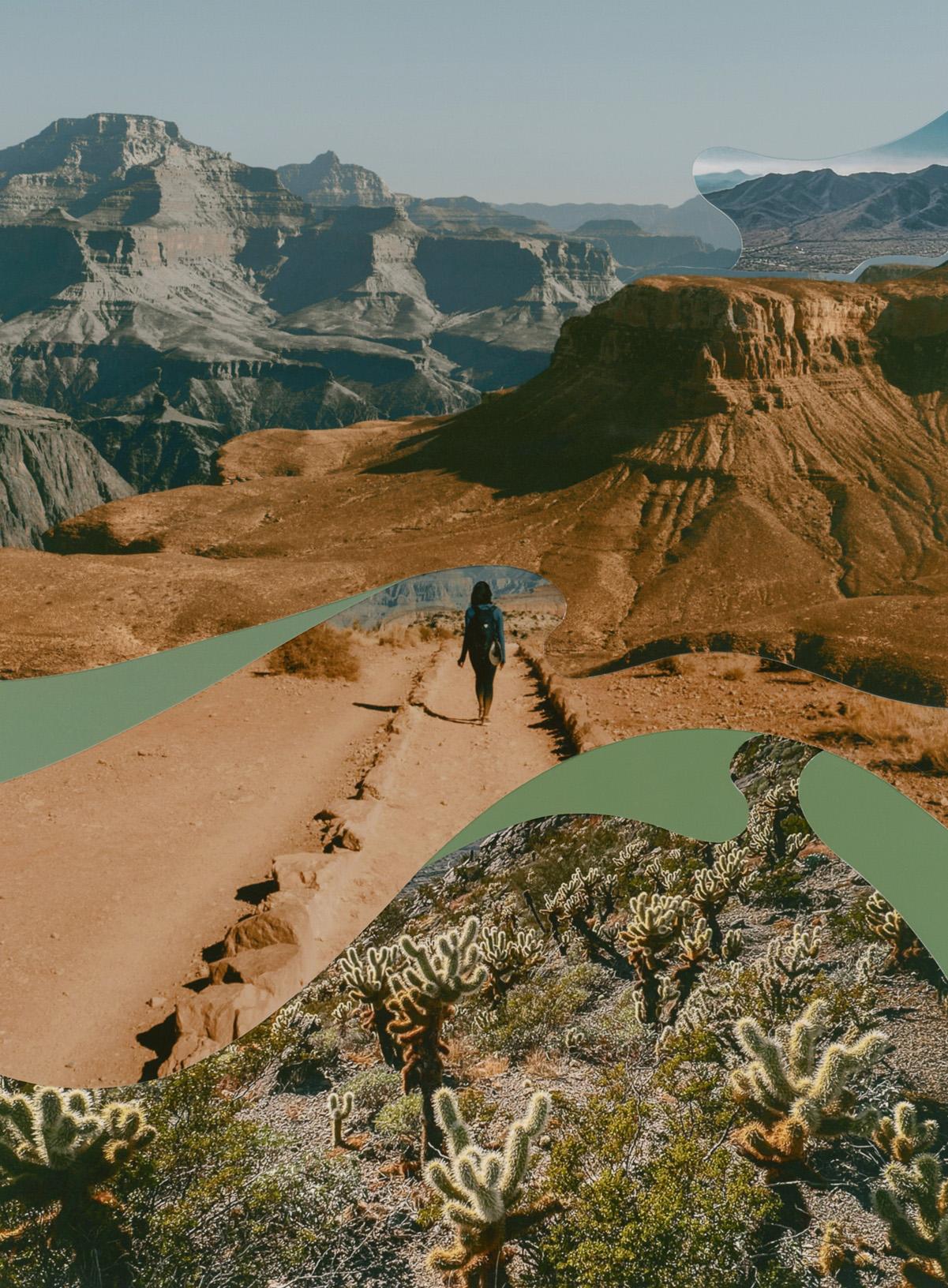
But after only one euphoric year in Boulder, the honeymoon phase waned. She felt alone. As a first-generation immigrant from Brazil, she missed her community of Portuguese-speaking friends in Miami, as well as the perks of the big city. For Moran, being in a more nature-centric environment "definitely wasn't life-changing in the way that I thought it was going to be, long-term."
Mass Migration
Hundreds of thousands of people moved from urban areas to smaller cities and towns during the pandemic. For many, moving was a way to escape the risks and restrictions of densely populated areas that were impacting their mental health, says Ariel Landrum, LMFT, a therapist at Guidance Teletherapy Family Counseling Inc.
But what many might not have realized is that folks in more remote and rural parts of the country have long struggled with mental health issues. In fact, a cluster of states in the Mountain West that exploded in population at the height of COVID is known as the Suicide Belt.


Diese Geschichte stammt aus der September 2023-Ausgabe von Women's Health US.
Abonnieren Sie Magzter GOLD, um auf Tausende kuratierter Premium-Geschichten und über 9.000 Zeitschriften und Zeitungen zuzugreifen.
Sie sind bereits Abonnent? Anmelden
WEITERE GESCHICHTEN VON Women's Health US

Women's Health US
Rebecca Lobo
She's changing the look-and face-of the sidelines in youth sports.

2 mins
Fall 2025

Women's Health US
Autumn Lockwood
She's the first Black woman to coach on a winning Super Bowl team. But honestly? She's just doing her (dream) job.
2 mins
Fall 2025

Women's Health US
finisher
Acting since age 8, Wicked phenom Marissa Bode proves perseverance pays off.
1 mins
Fall 2025

Women's Health US
The Remarkable Rise of the Everyday Athlete
From marathons to Hyrox, workout regulars are training like elites to find purpose, community, and proof of what their bodies can do. This movement may be the ultimate antidote to life in 2025.
7 mins
Fall 2025

Women's Health US
Erin Matson
A Gen Z role model not only for what she's already achieved-but for what she still has ahead of her.
6 mins
Fall 2025

Women's Health US
icons of coaching
What makes a memorable, life-changing coach? It's not always experience (though that helps!). It's trust, dedication, and the innate understanding of how to push others to greatness, physically and mentally. These women have all of that, in spades. Presenting your 2025 Icons of Coaching starting lineup...
15 mins
Fall 2025

Women's Health US
why new moms are turning to mushrooms
Women struggling with postpartum depression might finally have a new solution in the form of psychedelic treatment-but there are a few hoops to jump through first.
14 mins
Fall 2025

Women's Health US
Katie Schumacher-Cawley
The kind of coach who doesn't seek the spotlight, even when dealing with a cancer diagnosis. Her focus: her girls and her players.
4 mins
Fall 2025
Women's Health US
Super Savors
Fish sauce, roasted mushrooms, “nooch”—there’s something ultra satisfying about umami-rich ingredients. When you crave That Flavor, these dishes deliver.
5 mins
Fall 2025

Women's Health US
What Top Heart Docs Do to Stay Healthy
Taking care of your heart seems so straightforward- exercise, eat whole foods, de-stress, sleep more-until it doesn't. Our favorite cardiologists are up against the same stuff-dinners out, late nights, MIA motivation-as the rest of us. Here, their tricks for prioritizing their health and taking down the number one killer of women (yes, that's heart disease).
4 mins
Fall 2025
Translate
Change font size