試す 金 - 無料
GROWING OUTSIDE THE LINES
Hobby Farms
|March - April 2023
Your USDA hardiness zone isn't the be-all and end-all when it comes to planting what and when.
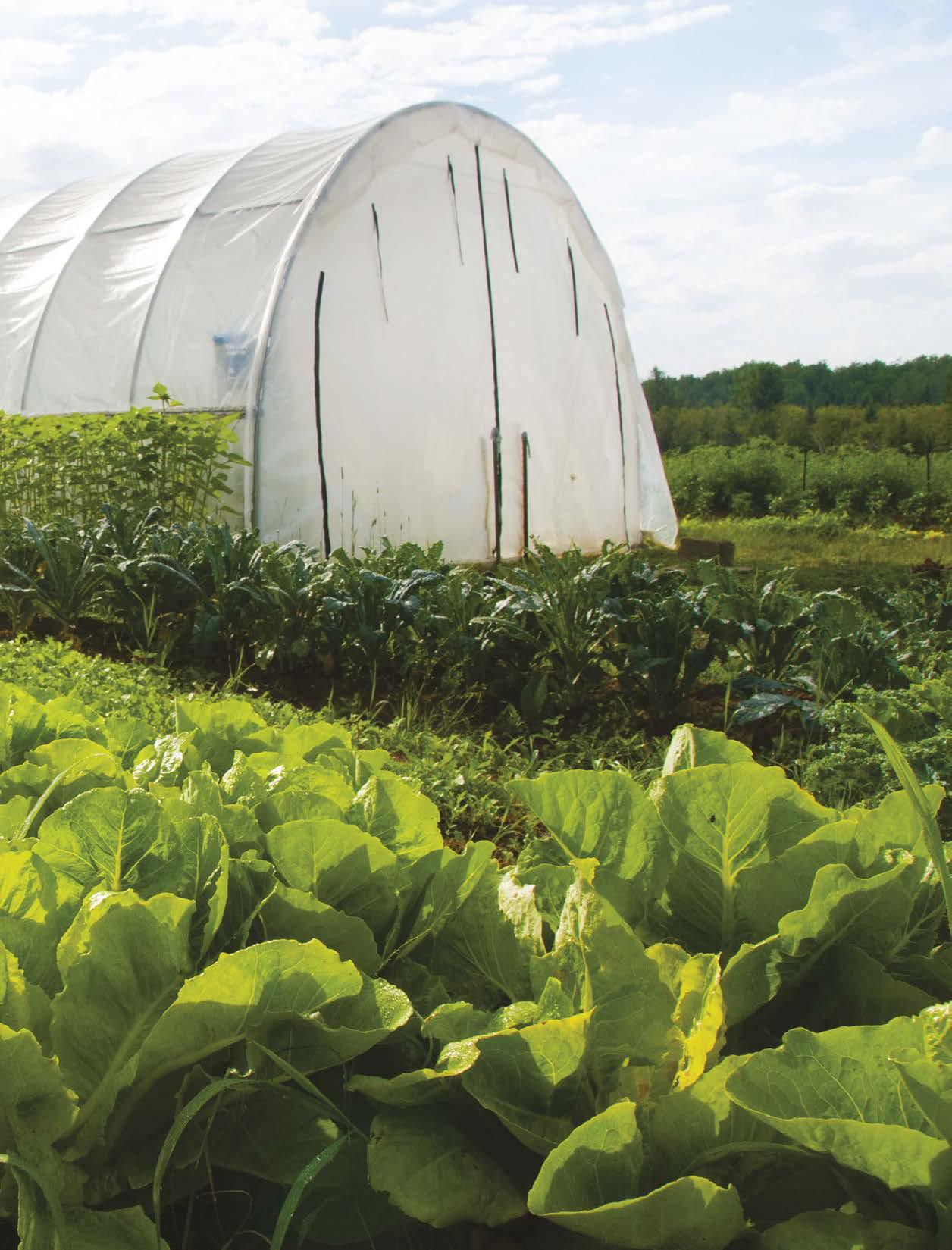
Any gardener or horticulturist with meaningful experience shopping for plants is familiar with the USDA plant hardiness zone map. (If not, check out the online version at https://planthardiness.ars.usda.gov.) Like an imposing arbiter of vegetation dispersal, the color-coded map breaks the United States and Puerto Rico into 13 zones based on the average annual extreme minimum temperature in other words, the lowest temperature each zone experiences in a typical year. Each zone is further divided into two half-zones, labeled "a" (colder) and "b" (warmer). These zones are used to label the hardiness of plants, determining whether they're suited for planting in any given region. A variety of raspberry bush, for example, might be rated for success in zones 5 through 9.
Some zones are too warm for certain plants; apple trees, for example, need a certain number of "chill hours" (below 45-degrees Fahrenheit) during the winter in order to grow properly and produce fruit. But for much of the United States, cold temperatures are arguably the greater limiting factor than heat. Cold temperatures can quickly damage and kill plants that aren't suitably cold-tolerant. But before you assume you can never grow a plant that isn't rated for survival in your hardiness zone, keep in mind the zone delineations aren't perfect. Zone borders can change over time (the last update to the map in 2012 labeled many areas half a zone warmer than the previous map), and no nationwide map can capture every local temperature nuance.
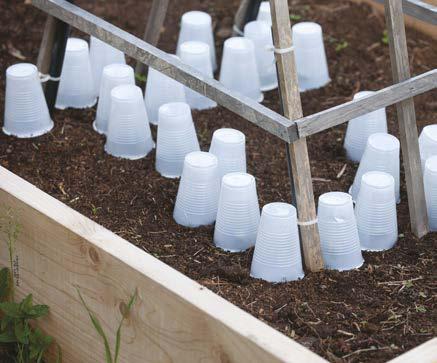
THE MAGIC OF MICROCLIMATES

このストーリーは、Hobby Farms の March - April 2023 版からのものです。
Magzter GOLD を購読すると、厳選された何千ものプレミアム記事や、10,000 以上の雑誌や新聞にアクセスできます。
すでに購読者ですか? サインイン
Hobby Farms からのその他のストーリー

Hobby Farms
NEW YEAR, NEW CROPS
As you make your garden plans for this season, consider these picks from growers across the country.

6 mins
January / February 2026

Hobby Farms
Garden-Scale Crop Rotation
You don't have to be a big-time farmer to benefit from rotating crops.
4 mins
January / February 2026

Hobby Farms
BELTED GALLOWAY CATTLE
The unique appearance of Belted Galloway cattle inspires many questions about their origins.
1 min
January / February 2026

Hobby Farms
Goat Parasites
Grazing on an overly soiled pasture can sometimes lead parasites in your goat herd.
3 mins
January / February 2026

Hobby Farms
Rediscover Ancient Grains
Explore these nutritious and adaptable grains, known by many cultures over thousands of years.
8 mins
January / February 2026

Hobby Farms
HIGHLAND CATTLE
Highland cattle are an old heritage breed known to have grazed the rugged Scottish landscape since the 6th century.
1 mins
January / February 2026

Hobby Farms
SAY CHEESE
KEEP 'EM COMING
1 min
January / February 2026

Hobby Farms
DIY Essential Oils
Steam-distill your own essential oils at home.
6 mins
January / February 2026

Hobby Farms
Kubota Goes Grand
Kubota Tractor Corp. has unveiled its latest innovation for small-scale farmers and landowners: the Grand L70 Series. Designed with residential and commercial users in mind, this series blends power, comfort and cutting-edge technology into one versatile machine. With three configurations available — premium, deluxe and cold weather — the Grand L70 Series is built to meet the diverse needs of today’s small farms and rural properties.
1 min
January / February 2026

Hobby Farms
Raising a Bottle Calf
Being raised on a dairy farm, I don't remember a time when I wasn't well-versed in the raising of bottle calves.
9 mins
January / February 2026
Translate
Change font size