يحاول ذهب - حر
GROWING OUTSIDE THE LINES
March - April 2023
|Hobby Farms
Your USDA hardiness zone isn't the be-all and end-all when it comes to planting what and when.
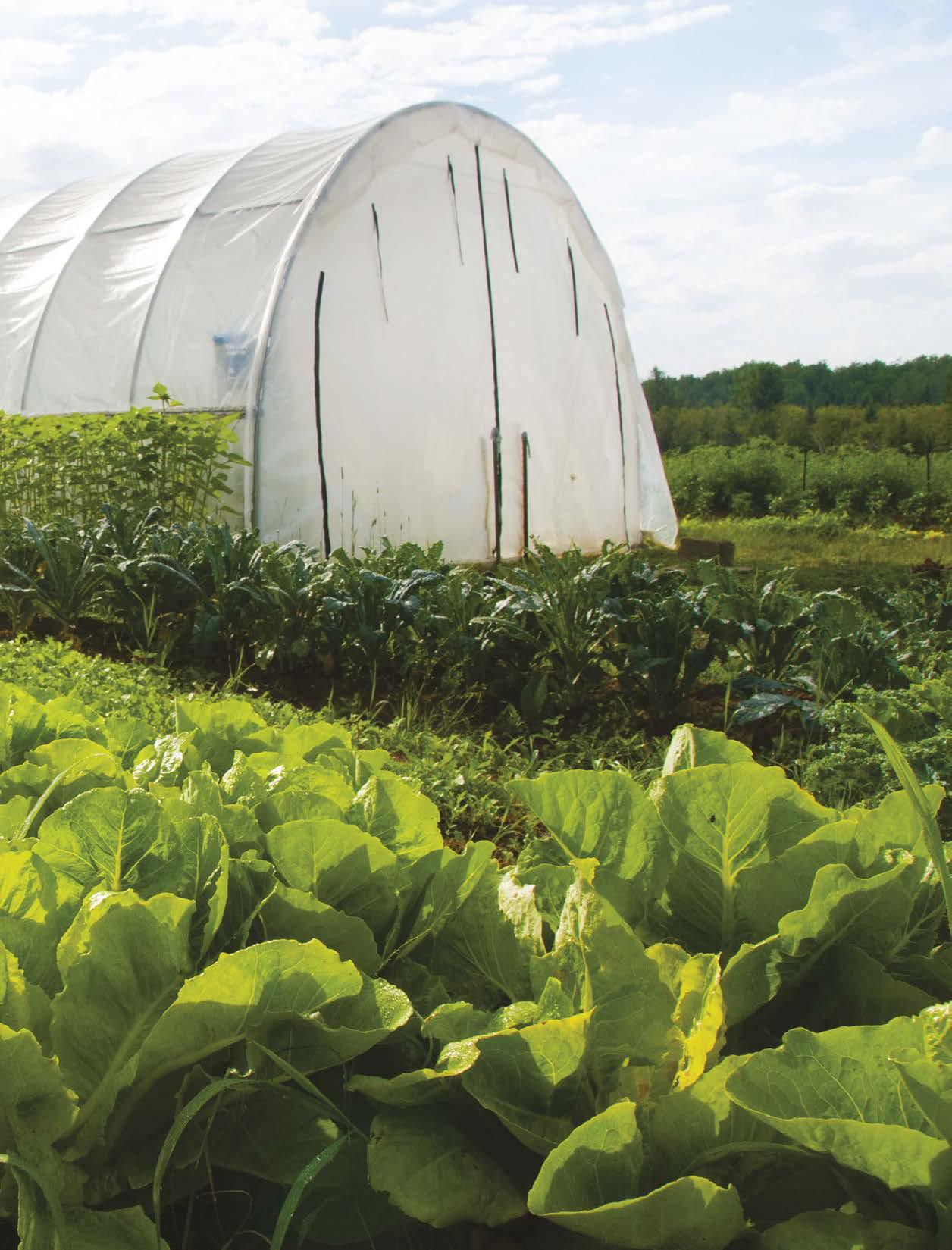
Any gardener or horticulturist with meaningful experience shopping for plants is familiar with the USDA plant hardiness zone map. (If not, check out the online version at https://planthardiness.ars.usda.gov.) Like an imposing arbiter of vegetation dispersal, the color-coded map breaks the United States and Puerto Rico into 13 zones based on the average annual extreme minimum temperature in other words, the lowest temperature each zone experiences in a typical year. Each zone is further divided into two half-zones, labeled "a" (colder) and "b" (warmer). These zones are used to label the hardiness of plants, determining whether they're suited for planting in any given region. A variety of raspberry bush, for example, might be rated for success in zones 5 through 9.
Some zones are too warm for certain plants; apple trees, for example, need a certain number of "chill hours" (below 45-degrees Fahrenheit) during the winter in order to grow properly and produce fruit. But for much of the United States, cold temperatures are arguably the greater limiting factor than heat. Cold temperatures can quickly damage and kill plants that aren't suitably cold-tolerant. But before you assume you can never grow a plant that isn't rated for survival in your hardiness zone, keep in mind the zone delineations aren't perfect. Zone borders can change over time (the last update to the map in 2012 labeled many areas half a zone warmer than the previous map), and no nationwide map can capture every local temperature nuance.
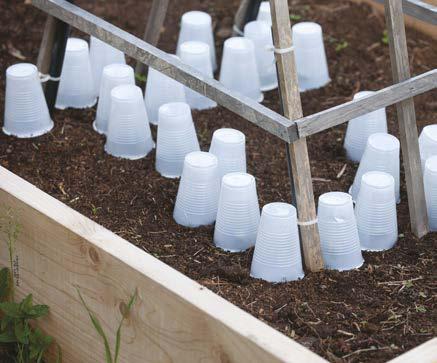
THE MAGIC OF MICROCLIMATES

هذه القصة من طبعة March - April 2023 من Hobby Farms.
اشترك في Magzter GOLD للوصول إلى آلاف القصص المتميزة المنسقة، وأكثر من 9000 مجلة وصحيفة.
هل أنت مشترك بالفعل؟ تسجيل الدخول
المزيد من القصص من Hobby Farms
Hobby Farms
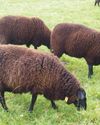
SHETLAND SHEEP
With their wide range of colors and fleece types, excellent meat, small size, resistance to disease and ability to take good care of themselves, Shetland sheep are an ideal breed for many small farms.

1 mins
July/August 2026
Hobby Farms
Got (Sheep) Milk?
Here’s a beginner’s guide to dairy sheep.
4 mins
July/August 2026
Hobby Farms
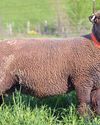
BABYDOLL SOUTHDOWN SHEEP
The North American Babydoll Southdown Sheep Association refers to this diminutive breed as “charming creatures” because of its dispositions and adorable appearance.
1 min
July/August 2026

Hobby Farms
WELL DONE
Happy Hollow Farm has adapted to farming in uncertain water years.
7 mins
July/August 2026
Hobby Farms
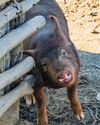
Pig Mites & Lice
Learn how to tell lice and mites apart for accurate diagnosis and treatment.
4 mins
July/August 2026
Hobby Farms
Rotational Grazing for All
Better forage, healthier soil and improved weight gain can make the planning worthwhile.
7 mins
July/August 2026

Hobby Farms
Beat the Heat
Easy DIY cooling systems you can set up on your hobby farm to keep your livestock cool and comfortable this summer.
7 mins
July/August 2026
Hobby Farms
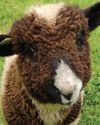
HARLEQUIN SHEEP
This U.S.-developed miniature sheep breed is hardy and lambs easily, often having multiple lambs.
1 min
July/August 2026
Hobby Farms
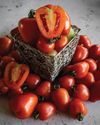
Cherry Tomato Rainbow
Cherry tomatoes may be small, but they can be every bit as flavorful as the juiciest slicer you've ever grown.
6 mins
July/August 2026
Hobby Farms
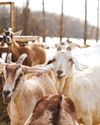
Natural Selection
Try one of these herbal remedies for goats.
6 mins
July/August 2026
Translate
Change font size