試す 金 - 無料
The Mother of a Nation
All About History UK
|Issue 148
Uncover the life, art & mysterious legacy of Shin Saimdang

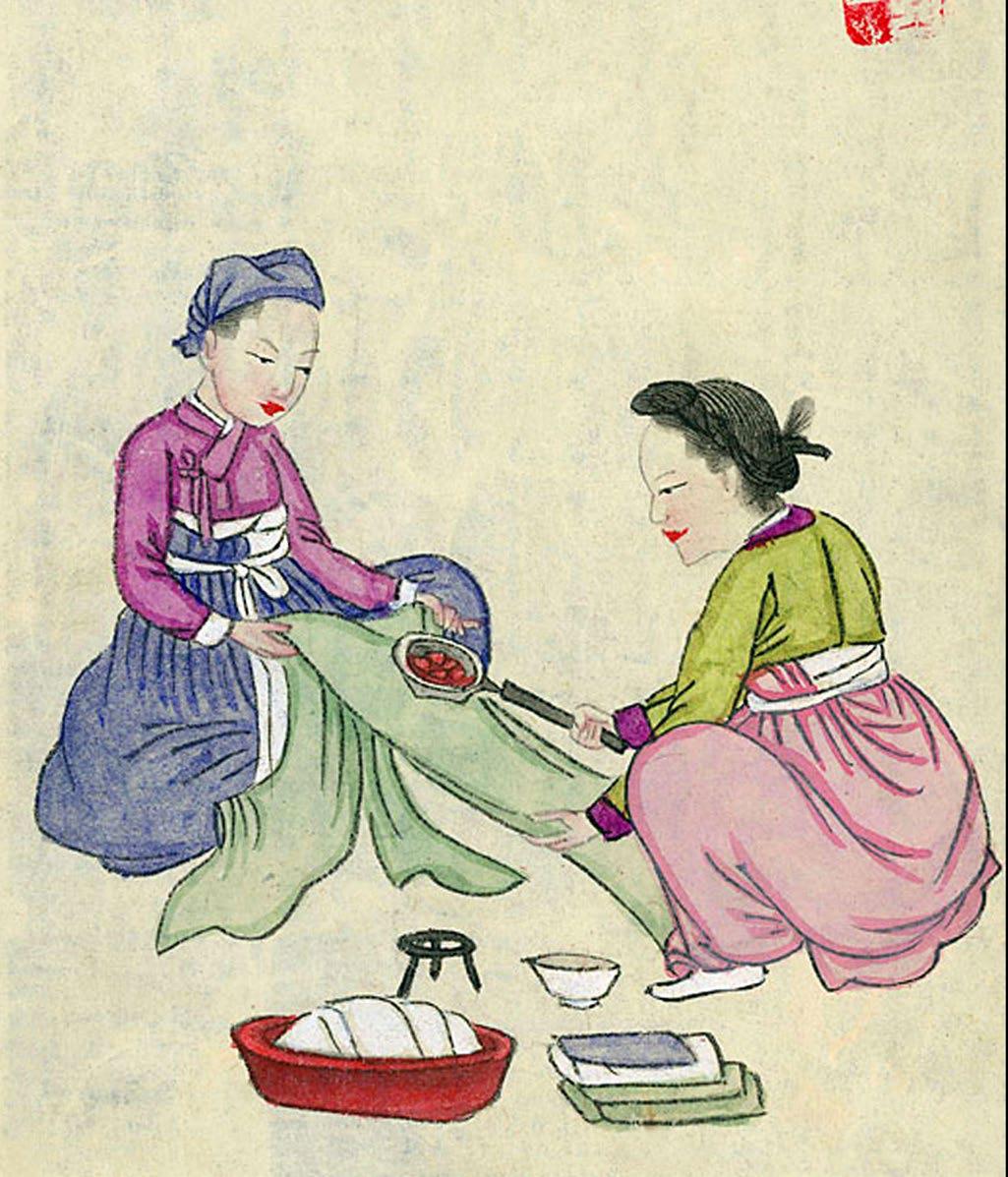
In 2007, the Central Bank of South Korea decided to decorate the 50,000-won note with the face of a 16th-century artist named Shin Saimdang. The choice was a significant one, as it marked the first time a woman's face had graced a banknote in the country. Many people welcomed the proposal, overjoyed by this landmark that recognised women's contributions to the nation's history. However, many others saw the decision as controversial. Though a prominent artist whose work has been lauded since her death, Saimdang has been primarily remembered in Korean society as a woman who exemplified what it was to be a good wife and mother in a time when women's rights were deteriorating and gender inequality was on the rise. Saimdang's memorialisation has been, and remains, a complex issue, but in deciding whether her legacy should be confined to her experience of motherhood, it is important to understand her achievements and the cultural climate in which she lived.
 Who was Shin Saimdang?
Saimdang was born on 29 October 1504 at her maternal family home in Gangneung, Gangwon Province in modern-day South Korea. At the time of her birth the Joseon Dynasty ruled the area known as the Great Joseon State and had done so since 1392. Saimdang was born into an educated and prominent family: her father, Shin Myeong-hwa, was a scholar and a member of the aristocratic Pyeongsan Shin clan, while her mother was the daughter of scholar Yi Saon.

このストーリーは、All About History UK の Issue 148 版からのものです。
Magzter GOLD を購読すると、厳選された何千ものプレミアム記事や、10,000 以上の雑誌や新聞にアクセスできます。
すでに購読者ですか? サインイン
All About History UK からのその他のストーリー
All About History UK
THE KING'S TRAITOR
A comprehensive study of Reginald Pole, Henry VIII's arch rival

1 min
Issue 164
All About History UK
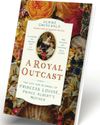
A ROYAL OUTCAST: THE LIFE AND SCANDAL OF PRINCESS LOUISE, PRINCE ALBERT'S MOTHER
The fascinating story of a little-known royal
2 mins
Issue 164

All About History UK
WHAT IF...THE NAZIS HAD THE ATOM BOMB FIRST?
With the ultimate weapon in his grasp, would Hitler have held Europe to ransom or reduced it to rubble?
6 mins
Issue 164

All About History UK
HISTORY VS HOLLYWOOD EDEN
How did the promise of Utopia in the Galápagos Islands really unravel?
1 min
Issue 164

All About History UK
15 Historic Deadly Diet Tips
UNCOVER SOME OF THE PAST'S STRANGEST AND MOST DANGEROUS EATING HABITS AND WEIGHT-LOSS FADS
5 mins
Issue 164
All About History UK
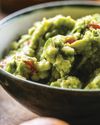
GUACAMOLE: CENTRAL AMERICA, 14TH CENTURY - PRESENT
Today guacamole is a common sight around the globe, frequently served with a plate of loaded nachos in your favourite drinking establishment or slathered through a spicy burrito.
1 mins
Issue 164
All About History UK
The Baroness of the Sea
Discover the life of the pioneering woman who broke boundaries in circumnavigating the oceans
6 mins
Issue 164
All About History UK
AZTEC SACRIFICE
Why this great empire believed bloody rites and cannibalism brought order to the cosmos
13 mins
Issue 164

All About History UK
RISE OF THE WAAF
How a group of women risked their lives to protect their nation in WWII and shatter social norms
6 mins
Issue 164
All About History UK
NAGAYA ROWHOUSE Edo Japan c.1603 - present
During the Edo period, residences were built to house the lower strata of Japanese society.
1 min
Issue 164
Listen
Translate
Change font size