يحاول ذهب - حر
The Mother of a Nation
Issue 148
|All About History UK
Uncover the life, art & mysterious legacy of Shin Saimdang

In 2007, the Central Bank of South Korea decided to decorate the 50,000-won note with the face of a 16th-century artist named Shin Saimdang. The choice was a significant one, as it marked the first time a woman's face had graced a banknote in the country. Many people welcomed the proposal, overjoyed by this landmark that recognised women's contributions to the nation's history. However, many others saw the decision as controversial. Though a prominent artist whose work has been lauded since her death, Saimdang has been primarily remembered in Korean society as a woman who exemplified what it was to be a good wife and mother in a time when women's rights were deteriorating and gender inequality was on the rise. Saimdang's memorialisation has been, and remains, a complex issue, but in deciding whether her legacy should be confined to her experience of motherhood, it is important to understand her achievements and the cultural climate in which she lived.
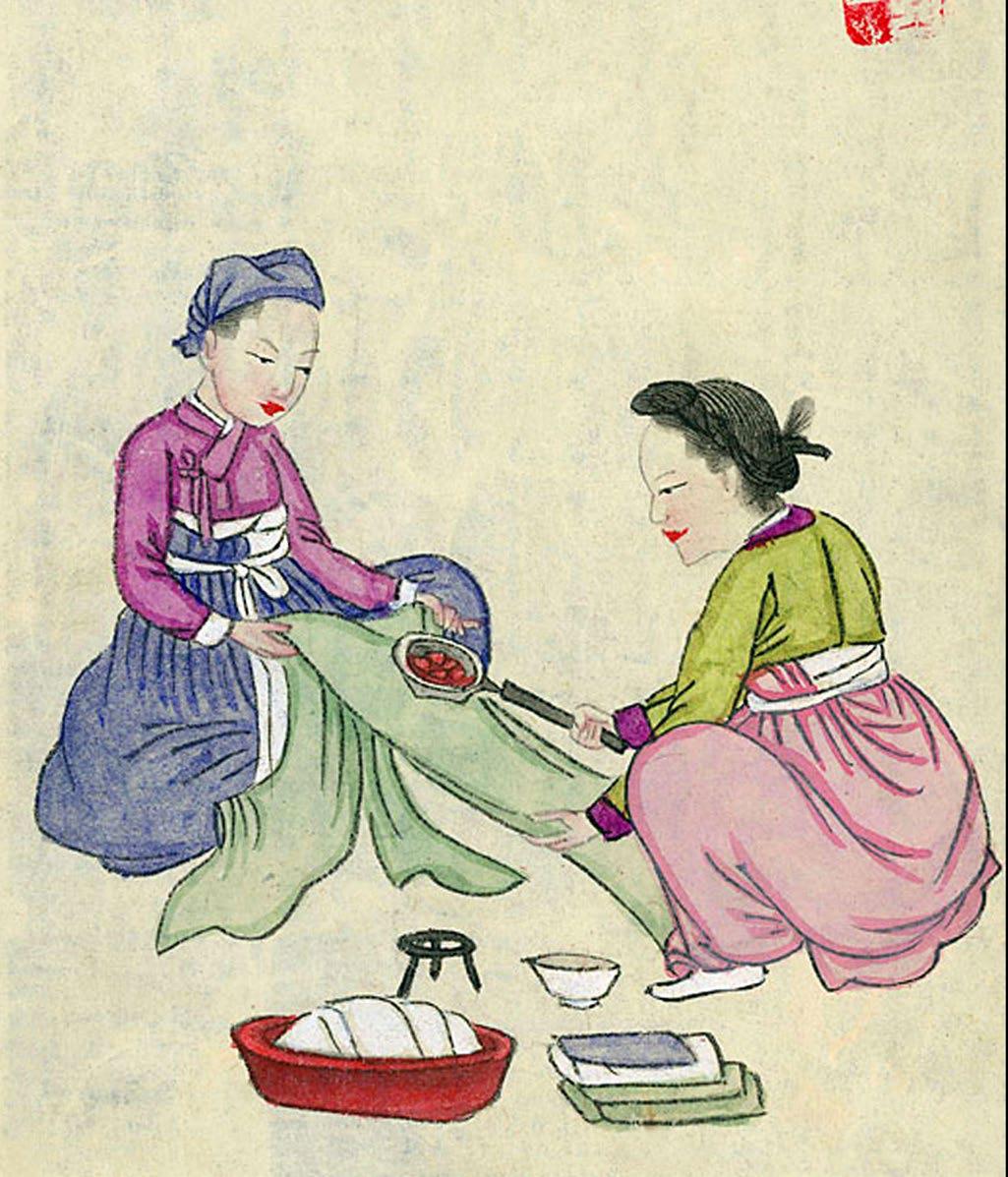 Who was Shin Saimdang?
Saimdang was born on 29 October 1504 at her maternal family home in Gangneung, Gangwon Province in modern-day South Korea. At the time of her birth the Joseon Dynasty ruled the area known as the Great Joseon State and had done so since 1392. Saimdang was born into an educated and prominent family: her father, Shin Myeong-hwa, was a scholar and a member of the aristocratic Pyeongsan Shin clan, while her mother was the daughter of scholar Yi Saon.

هذه القصة من طبعة Issue 148 من All About History UK.
اشترك في Magzter GOLD للوصول إلى آلاف القصص المتميزة المنسقة، وأكثر من 9000 مجلة وصحيفة.
هل أنت مشترك بالفعل؟ تسجيل الدخول
المزيد من القصص من All About History UK

All About History UK
73 EASTING
SOUTHEASTERN IRAQ 26-27 FEBRUARY 1991

10 mins
Issue163
All About History UK
MARIE ANTOINETTE: FASHION ICON
A new exhibition explores the enduring style of the infamous 18th-century French queen
2 mins
Issue163
All About History UK
INK! FROM THE AGE OF EMPIRE TO BLACK POWER, THE JOURNALISTS WHO TRANSFORMED BRITAIN
Bringing seven fascinating voices back into the limelight
1 mins
Issue163

All About History UK
THE HURRICANE
Does this story of unjust incarceration stick to the evidence?
1 min
Issue163
All About History UK
JANE AUSTEN'S ENGLAND
How Regency romance, society and family bonds inspired one of the nation's greatest authors
14 mins
Issue163

All About History UK
THE VALUE OF SPICES
Roger Crowley explains how spices transformed the world and why they were such a valuable commodity
4 mins
Issue163
All About History UK
EL GENERALISIMO
A new biography explores the life of Francisco Franco - the dictator who ruled Spain for 39 years
1 min
Issue163

All About History UK
Founder of the Persian Empire
How Cyrus the Great forged his kingdom using force and smart administration of his government
8 mins
Issue163
All About History UK
PORTUGUESE NAU
Portugal 14th - 16th century
2 mins
Issue163

All About History UK
LEMON SYLLABUB
ENGLAND, 16-19TH CENTURY
1 mins
Issue163
Listen
Translate
Change font size