試す 金 - 無料
Love to Hate Them
Writer’s Digest
|March - April 2024
Four types of unlikable characters and how to make them work in your writing.

You just finished writing your book. You've sent it off to a handful of readers and are waiting with all the patience of a caffeinated squirrel for that coveted reader feedback. After what feels like eternity, it finally comes. And there you see it. The note that says they didn't connect to your unlikable main character. Intentionally unlikable or not, protagonists who cause the reader to disconnect from the story can doom a manuscript. Reader feedback is a tricky beast, and it's up to the writer to interpret it and decide how to move forward when that feedback isn't positive. Before you hurl your computer out a window, take a moment to breathe and answer a couple questions.
Do you understand the criticism?
Decoding reader feedback can be difficult. "I don't like your main character" can mean a number of things ranging from the character feeling unrelatable all the way to them being a straight-up monster. If the former is the case, you may have an issue of misaligned readership, especially if the feedback is only coming from one source or demographic. Always remember that your readers have their own backgrounds, experiences, and expectations. You want them to be honest, but that doesn't mean that every note requires a rewrite.
If your feedback comes from many sources, including your target readers, however, you might need to dig a little deeper to figure out where the disconnect is so that you can address it in order to increase their investment in the story.
Does your character need to be likable?
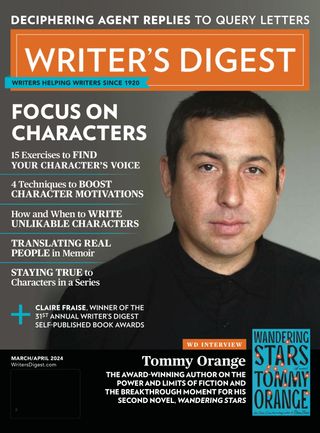

このストーリーは、Writer’s Digest の March - April 2024 版からのものです。
Magzter GOLD を購読すると、厳選された何千ものプレミアム記事や、10,000 以上の雑誌や新聞にアクセスできます。
すでに購読者ですか? サインイン
Writer’s Digest からのその他のストーリー

Writer’s Digest
Lauren Groff
The three-time National Book Award finalist discusses her new short story collection, Brawler, and the necessity of failure in writing.

14 mins
March / April 2026

Writer’s Digest
Seven
THE CHALLENGE: Write a short story of 650 words or fewer based on the photo below.
2 mins
March / April 2026

Writer’s Digest
Pacing in Nonfiction
It's all about story.
5 mins
March / April 2026
Writer’s Digest
If You're Bored, They're Bored
Five Zero-Draft tricks to ensure tight pacing.
8 mins
March / April 2026

Writer’s Digest
Deities
Gods and goddesses have had power over our imaginations stretching through the ages—whether ancient Norse, Chinese, Mesoamerican, or Greco-Roman, we have a fascination with cosmic beings.
5 mins
March / April 2026
Writer’s Digest
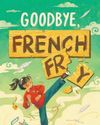
Merging Memory With Imagination
Author Rin-rin Yu's debut middle-grade novel, Goodbye, French Fry, represents a combination of her true childhood experiences and the universal experience of growing into yourself.
5 mins
March / April 2026

Writer’s Digest
Put Yourself in Charge of Your Own Story
Julie Ann Sipos, grand-prize winner of the 33rd annual WD Self-Published Book Awards, on how her career in Hollywood influences her writing style and her business strategy as an indie author.
4 mins
March / April 2026

Writer’s Digest
The Pause Is the Point
How to use stillness to create momentum in your fiction.
10 mins
March / April 2026

Writer’s Digest
Ericka Tiffany Phillips
Ericka Tiffany Phillips is a literary agent at the Stephanie Tade Agency, representing nonfiction authors whose “work have the power to shape culture and catalyze collective transformation,” she says.
2 mins
March / April 2026

Writer’s Digest
Short-Story Dispensers Bring Literature to the Masses
Life is often a wait, whether it's for a commuter train, an appointment with a doctor, or the start of a class.
5 mins
March / April 2026
Listen
Translate
Change font size