試す 金 - 無料
COSTING THE EARTH
BBC Wildlife
|October 2025
We need to restore nature and rewild the world. But who will foot the bill? Words
THE FIELDS AT SLEIGHT FARM, near Bath, are not much to look at. One is bare earth and deeply rutted, reminiscent of land that has been subjected to the rootling behaviour of wild boar. "This," says environmental consultant Dominic Woodfield, "was the most rubbish. Overgrazed and compacted, and it's had fertilisers, too."
To start the process of ecological recovery, Woodfield, site manager Simon Nash and farm manager James Fowles introduced a couple of Tamworth pigs to the field. The pigs’ rootling behaviour creates ruts and exposes the soil, giving seeds other than grass the chance to germinate.
Exactly what happens next, the team isn’t really sure, but the action of the pigs should be a kickstart, precipitating natural processes that can bring the field back to life. In time, one can imagine it supporting nesting skylarks, vole-hunting barn owls and the occasional mad March hare.
This field is a perfect example of why the UK ranks in the bottom 10 per cent of all countries in the Biodiversity Intactness Index – but it is also on the frontline of a revolution. Because the transformation being plotted at Sleight Farm isn’t born purely out of altruism, nor from government subsidy, but because the landowners have received money from a developer.
There is arguably no more existential question for the human race than how we halt and reverse declines in wildlife. There is a basic premise that if we destroy nature, we destroy ourselves, because we rely on it for so much - food, water, protection from flooding and mitigation of climate change.
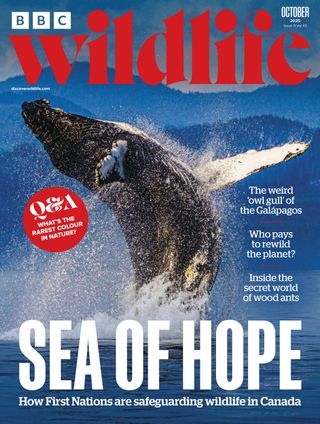

このストーリーは、BBC Wildlife の October 2025 版からのものです。
Magzter GOLD を購読すると、厳選された何千ものプレミアム記事や、10,000 以上の雑誌や新聞にアクセスできます。
すでに購読者ですか? サインイン
BBC Wildlife からのその他のストーリー
BBC Wildlife
SNAP-CHAT
Isaac Szabo talks hellbenders, chub nests and bears on the roof

3 mins
December 2025
BBC Wildlife
Why are the tropics so diverse?
AS YOU MOVE FROM THE POLES towards the equator, species richness increases.
1 mins
December 2025
BBC Wildlife
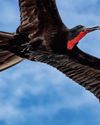
Magnificent frigatebird
ONE MIGHT BE FORGIVEN FOR thinking that pterodactyls had been de-extincted upon first sighting the silhouette of a magnificent frigatebird.
3 mins
December 2025
BBC Wildlife
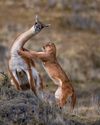
YEAR OF THE CAT
Once a phantom of Chile's windswept peaks, this plucky feline is making a comeback
3 mins
December 2025
BBC Wildlife
KATE BRADBURY
“I feel I am part bird at this point at the year's end: I'm ready for spring”
2 mins
December 2025
BBC Wildlife
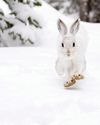
SNOW DAYS
High in the boreal forests of Colorado, the snowshoe hare lives a secretive life. But one photographer has gained a unique window into its world
3 mins
December 2025
BBC Wildlife
A journey into sound
Progressive hearing loss prompted a memorable quest to absorb nature's calls and choruses
7 mins
December 2025
BBC Wildlife
WILD IN THE CITY
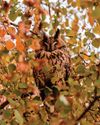
A huge parliament of long-eared owls has made an unlikely home in a Serbian town square
2 mins
December 2025
BBC Wildlife
Birds follow the flames
In the Sierra Nevada of California, fire gives some birds a boost
1 mins
December 2025
BBC Wildlife
Remembering Jane
The ethologist, conservationist and humanitarian Dr Jane Goodall died in October. We reflect on the woman who gave the world hope
5 mins
December 2025
Listen
Translate
Change font size