Versuchen GOLD - Frei
COSTING THE EARTH
BBC Wildlife
|October 2025
We need to restore nature and rewild the world. But who will foot the bill? Words
THE FIELDS AT SLEIGHT FARM, near Bath, are not much to look at. One is bare earth and deeply rutted, reminiscent of land that has been subjected to the rootling behaviour of wild boar. "This," says environmental consultant Dominic Woodfield, "was the most rubbish. Overgrazed and compacted, and it's had fertilisers, too."
To start the process of ecological recovery, Woodfield, site manager Simon Nash and farm manager James Fowles introduced a couple of Tamworth pigs to the field. The pigs’ rootling behaviour creates ruts and exposes the soil, giving seeds other than grass the chance to germinate.
Exactly what happens next, the team isn’t really sure, but the action of the pigs should be a kickstart, precipitating natural processes that can bring the field back to life. In time, one can imagine it supporting nesting skylarks, vole-hunting barn owls and the occasional mad March hare.
This field is a perfect example of why the UK ranks in the bottom 10 per cent of all countries in the Biodiversity Intactness Index – but it is also on the frontline of a revolution. Because the transformation being plotted at Sleight Farm isn’t born purely out of altruism, nor from government subsidy, but because the landowners have received money from a developer.
There is arguably no more existential question for the human race than how we halt and reverse declines in wildlife. There is a basic premise that if we destroy nature, we destroy ourselves, because we rely on it for so much - food, water, protection from flooding and mitigation of climate change.
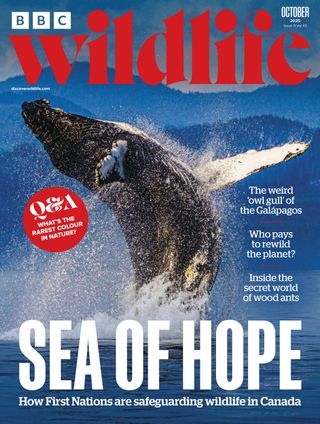

Diese Geschichte stammt aus der October 2025-Ausgabe von BBC Wildlife.
Abonnieren Sie Magzter GOLD, um auf Tausende kuratierter Premium-Geschichten und über 9.000 Zeitschriften und Zeitungen zuzugreifen.
Sie sind bereits Abonnent? Anmelden
WEITERE GESCHICHTEN VON BBC Wildlife
BBC Wildlife
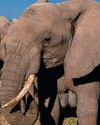
"I was terrified the elephant would ram us"
African elephant in Kenya

2 mins
January 2026
BBC Wildlife
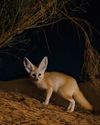
ALL YOU EVER NEEDED TO KNOW ABOUT THE Fennec fox
THE FENNEC FOX IS THE SMALLEST fox in the world, with a body length that can be as little as 24cm.
3 mins
January 2026
BBC Wildlife
INTO THE PLASTISPHERE
A unique synthetic ecosystem is evolving in our oceans – welcome to the plastisphere
7 mins
January 2026
BBC Wildlife
“More than half of all animal life exists in a parasitic relationship, and all life lives in symbiosis”
Our survival depends on species evolving to live together - but some relationships take dark turns
7 mins
January 2026
BBC Wildlife
Are animals able to dream?
SLEEP IS A MYSTERIOUS THING. FOR A long time, we weren't sure why we do it.
1 mins
January 2026
BBC Wildlife
Does a cuckoo know it's a cuckoo?
ABSURD LITTLE BIRDS ACROSS THE world lay their eggs in the nests of other species, leaving the hapless parents to raise a changeling at the expense of their own offspring.
2 mins
January 2026
BBC Wildlife
Orcas killing young sharks
Juvenile great whites are easy prey for orca pod
1 mins
January 2026
BBC Wildlife
Ocean goes on tour
Acclaimed film touring the UK, backed by live orchestra and choir
1 min
January 2026
BBC Wildlife
Feisty bats hunt like lions
Winged mammals use a 'hang and wait' strategy to take down large prey
1 mins
January 2026
BBC Wildlife
SNAP-CHAT
Richard Birchett on magical merlins, wily coyotes and charging deer
2 mins
January 2026
Listen
Translate
Change font size