試す 金 - 無料
No Healing Yet in the Kashmiri Graveyard
Outlook
|July 17, 2017
Ahead of Burhan Wani’s death anniversary, fierce encounters and civilian deaths return to the Valley.

AT the martyrs’ graveyard in south Kashmir’s Tral town, two boys stood silently by the grave of Burhan Wani, the 22-year old who was killed by government forces in an encounter on July 8 last year in Kokernag. The boys, seventh-grade students at the local government school, raise their hands and pray for Burhan. Then they move aside and talk about the “healing power” of the soil of his grave. “People from far and wide come here and take handfuls of this soil,” says one of them. “They believe it can cure disease. My ailing mother asked me to get some soil from Burhan’s grave. She rubbed it on her face and instantly felt much better.”
Burhan’s engraved memorial plaque stands out, visible from quite a distance, in this graveyard where more than 50 militants slain by government forces are buried. Most are locals. People come here to pray for their “martyrs”. Some take away a handful of soil from Burhan’s grave. Clearly, everything about Burhan is sacred to them.
Sajad Ahmad, a 25-year-old driver standing nearby, overhears the boys’ conversation. “There are always visitors at Burhan’s grave and the crowds will swell in the days ahead,” Sajad says. All three, however, refuse to be photographed—quite unthinkable in these parts a year ago, when people poured into the streets on hearing “Burhan killed!” and scores of pictures of people mourning the slain Hizbul commander flooded the internet. So why this new found reticence?
Schoolboy Numan is quick with the reason: “The STF (Special Task Force, a counter-insurgency formation of the Jammu and Kashmir Police) will arrest us and beat us ruthlessly. We don’t mind being beaten by the STF if that could bring us azadi (freedom), but why get thrashed when azadi isn’t just around the corner?”


このストーリーは、Outlook の July 17, 2017 版からのものです。
Magzter GOLD を購読すると、厳選された何千ものプレミアム記事や、10,000 以上の雑誌や新聞にアクセスできます。
すでに購読者ですか? サインイン
Outlook からのその他のストーリー

Outlook
The Big Blind Spot
Caste boundaries still shape social relations in Tamil Nadu-a state long rooted in self-respect politics

8 mins
December 11, 2025
Outlook
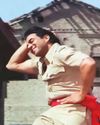
Jat Yamla Pagla Deewana
Dharmendra's tenderness revealed itself without any threats to his masculinity. He adapted himself throughout his 65-year-long career as both a product and creature of the times he lived through
5 mins
December 11, 2025
Outlook
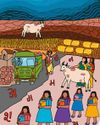
Fairytale of a Fallow Land
Hope Bihar can once again be that impossibly noisy village in Phanishwar Nath Renu's Parti Parikatha-divided, yes, but still capable of insisting that rights are not favours and development is more than a slogan shouted from a stage
14 mins
December 11, 2025

Outlook
The Lesser Daughters of the Goddess
The Dravidian movement waged an ideological war against the devadasi system. As former devadasis lead a new wave of resistance, the practice is quietly sustained by caste, poverty, superstition and inherited ritual
2 mins
December 11, 2025

Outlook
The Meaning of Mariadhai
After a hundred years, what has happened to the idea of self-respect in contemporary Tamil society?
5 mins
December 11, 2025

Outlook
When the State is the Killer
The war on drugs continues to be a war on the poor
5 mins
December 11, 2025

Outlook
We Are Intellectuals
A senior law officer argued in the Supreme Court that \"intellectuals\" could be more dangerous than \"ground-level terrorists\"
5 mins
December 11, 2025
Outlook
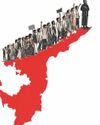
An Equal Stage
The Dravidian Movement used novels, plays, films and even politics to spread its ideology
12 mins
December 11, 2025
Outlook
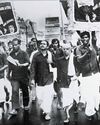
The Dignity in Self-Respect
How Periyar and the Self-Respect Movement took shape in Tamil Nadu and why the state has done better than the rest of the country on many social, civil and public parameters
5 mins
December 11, 2025
Outlook
When Sukumaar Met Elakkiya
Self-respect marriage remains a force of socio-political change even a century later
7 mins
December 11, 2025
Translate
Change font size