कोशिश गोल्ड - मुक्त
KILLER INSTINCT
The Week Junior Science+Nature UK
|Issue 78
Step into the wild - if you dare - with JD Savage to discover how nature's ultimate predators use astonishing skills and cunning tactics to catch prey and dominate their domains.
-
A tiger’s striped coat blends into the surrounding jungle as the muscular big cat prepares to pounce. In the ocean, an orca coordinates with its pod (group) to outsmart its prey. In the sky, a peregrine falcon, a soaring solo slayer, suddenly dives from dizzying heights at over 200 miles per hour to strike an unsuspecting bird in mid air. These are some of the animal kingdom’s top predators, and each has a unique set of skills and strategies to bring down their prey. Predators are any animals that hunt and kill another species for food. None kill for thrills, it’s simply a matter of survival.
The food chain starts with plants and tiny creatures that small animals eat. These, in turn, become meals for larger carnivores (meat-eaters). At the very top of the chain are the apex predators. These are nature’s ultimate hunters – the creatures that have no natural enemies. Their unmatched hunting skills mean that they rule their habitats. If you’re a small, vulnerable animal you would be keen to avoid them.
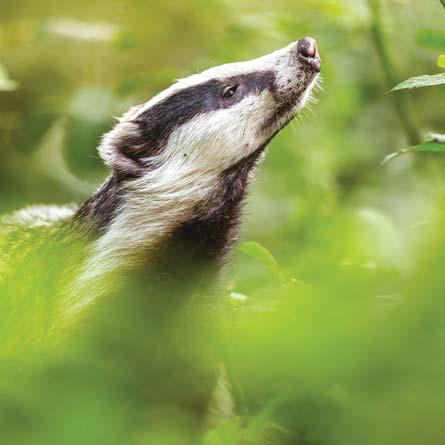
Here’s the bad news, though. Apex predators are almost everywhere – in hot deserts, icy polar climates, rainforests, lakes and oceans, on mountain tops and even underground. Badgers are the UK’s largest land predators, mostly burrowing into the ground to catch creatures that live below the surface – a menu that may include several hundred earthworms a night.
Super-senses
Apex predators have their own specially adapted senses that are practically superpowers. Tigers and leopards have superior night vision for hunting under cover of darkness, while badgers use their superior sense of smell to target prey.

यह कहानी The Week Junior Science+Nature UK के Issue 78 संस्करण से ली गई है।
हजारों चुनिंदा प्रीमियम कहानियों और 10,000 से अधिक पत्रिकाओं और समाचार पत्रों तक पहुंचने के लिए मैगज़्टर गोल्ड की सदस्यता लें।
क्या आप पहले से ही ग्राहक हैं? साइन इन करें
The Week Junior Science+Nature UK से और कहानियाँ

The Week Junior Science+Nature UK
Make a smoothie bowl
Use left-over fruit and veg to whip up this breakfast treat.

1 min
May 2026
The Week Junior Science+Nature UK
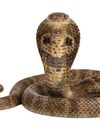
Indian snakes travel by train
King cobras - the world's longest venomous snakes - are slithering on board trains across India, researchers have revealed.
1 min
May 2026

The Week Junior Science+Nature UK
Carr House Meadows
The UK's wildflower meadows are often brimming with life, colour and sound. As these habitats are full of plant and animal species, they are very precious.
1 min
May 2026

The Week Junior Science+Nature UK
Did dragons ever exist?
These fire-breathing monsters have been flying into stories for centuries.
2 mins
May 2026

The Week Junior Science+Nature UK
Should big species return to the UK?
Would you be happy about large animals roaming our countryside - including predators?
1 mins
May 2026

The Week Junior Science+Nature UK
SAVING CORAL REEFS
Find out how scientists, conservationists and imaging experts are joining forces to discover more about corals and bring reefs back to life.
1 mins
May 2026
The Week Junior Science+Nature UK
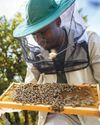
THE SECRET LIFE OF BEES
Step into a miniature world that quite literally buzzes with life.
1 min
May 2026
The Week Junior Science+Nature UK
Windermere Science Festival
On 9 and 10 May, Windermere Science Festival returns to Windermere Jetty Museum. Get ready for science-themed family fun, including roving robots and awesome virtual reality.
1 min
May 2026

The Week Junior Science+Nature UK
Aneeshwar Kunchala
Hear from a young TV star about his new series and his ambition to save wildlife.
3 mins
May 2026

The Week Junior Science+Nature UK
WORLD'S OLDEST COCKATIEL
Sonny, a family pet living in the US state of Illinois, has been officially recognised as the oldest of his species.
1 min
May 2026
Listen
Translate
Change font size