कोशिश गोल्ड - मुक्त
TIME AFRICA SWITCHED
Down To Earth
|July 01, 2023
Africa has always been energy-poor, and the scenario has gotten worse in the past decade. The continent must leapfrog to renewables to become energy-secure, and the West would do well to aid the transition.

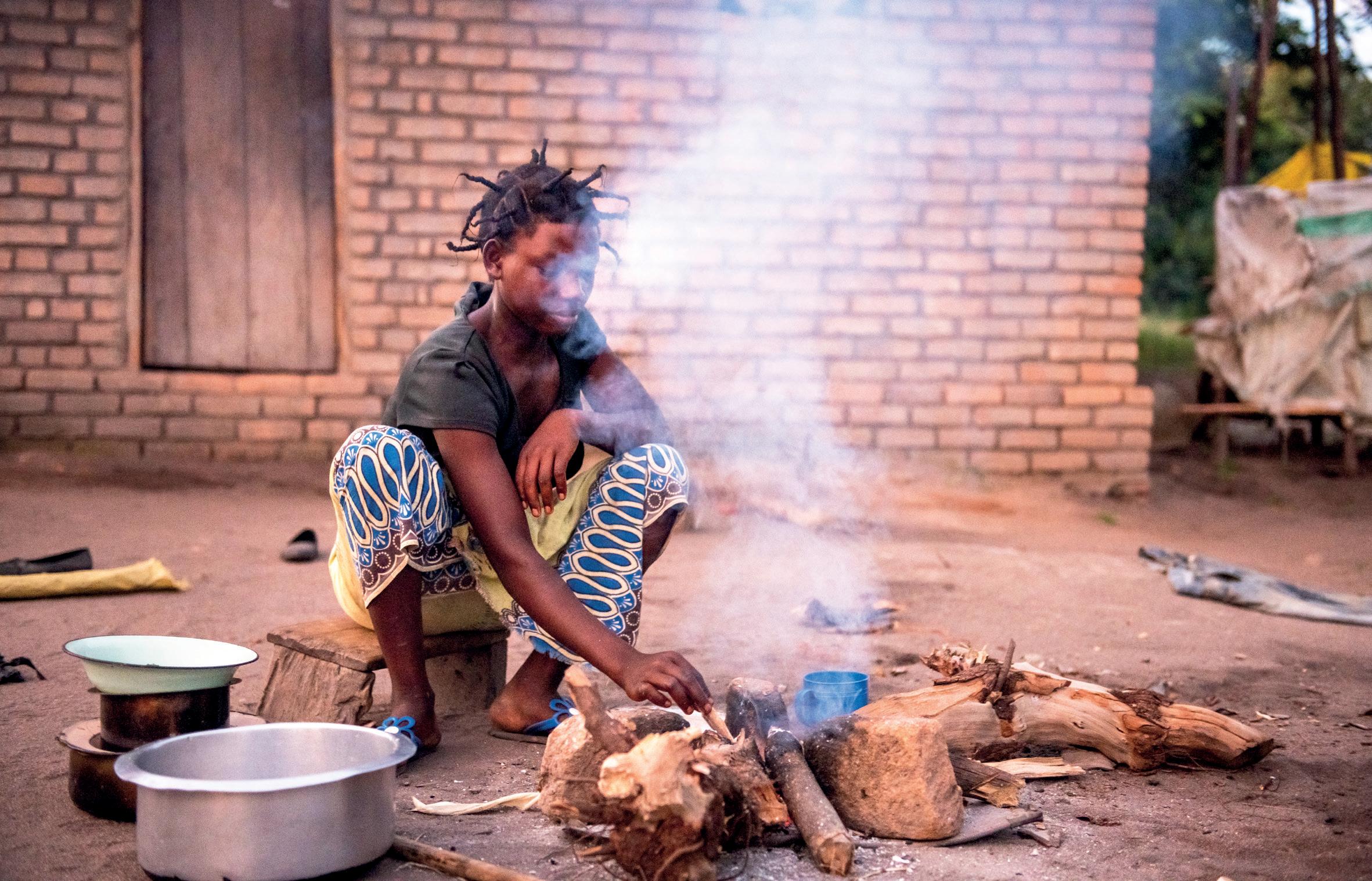
AFTER SHOWING some signs of progress, Africa is backsliding in its efforts to meet energy needs of its population. More Africans live without electricity and clean cooking fuel now than a decade ago (see 'Left behind'). In subSaharan Africa, which is home to some of the world's poorest countries, every other person (566 million) lacks access to electricity and 82 per cent (933.5 million) prepare meals with polluting fuel. This is at a time when most other regions are on track to achieve universal access to clean energy as part of the UN's Sustainable Development Goal 7. In North Africa and West Asia, 92.6 per cent of the people have access to clean fuel and technology, shows an estimate by the International Energy Agency (IEA) in its report, "Tracking SDG7: The Energy Progress Report, 2022"; globally, the figure is 71.1 per cent.
The IEA report further states that sub-Saharan Africa's share in the global population without electricity has risen to 84 per cent from 50 per cent a decade ago; and its share in global population without clean cooking fuel has increased to 41 per cent from 25 per cent. If governments respond ineptly, warns the UN, over 1.1 billion people in the region could be without clean fuels by 2030.
Such a high level of energy poverty has ripple effects on people's everyday lives; it impacts health, shrinks livelihood options, impedes economic growth and makes access to education nearly impossible. More than that, it creates a trap that keeps countries underdeveloped and people poor. This is already playing out in sub-Saharan Africa.

यह कहानी Down To Earth के July 01, 2023 संस्करण से ली गई है।
हजारों चुनिंदा प्रीमियम कहानियों और 10,000 से अधिक पत्रिकाओं और समाचार पत्रों तक पहुंचने के लिए मैगज़्टर गोल्ड की सदस्यता लें।
क्या आप पहले से ही ग्राहक हैं? साइन इन करें
Down To Earth से और कहानियाँ

Down To Earth
THINK TWICE BEFORE FELLING SAL TREES
Many trees considered to be affected by sal borer in the 1990s are still alive today

1 mins
February 16, 2026

Down To Earth
EDGE OF SURVIVAL
Caste divides deny marginalised communities land, resources and essential aid, leaving them more vulnerable to climate disasters
6 mins
February 16, 2026

Down To Earth
A WISH LIST?
Union Budget for 2026-27 conveys the impression of a roll-call of intentions and ambitious proposals, with little detail on their formulation
6 mins
February 16, 2026
Down To Earth
Break down the gender wall
THE RULING National Democratic Alliance (NDA) government has been heavily invested in the goal to make India a developed economy by 2047.
2 mins
February 16, 2026

Down To Earth
MENSTRUAL HEALTH, NOW A FUNDAMENTAL RIGHT
In a landmark judgement, the Supreme Court has recognised menstrual health and hygiene as a fundamental right under Article 21 of the Constitution of India, which guarantees the right to life and dignity.
8 mins
February 16, 2026

Down To Earth
Of devolution and new disasters
The 16th Finance Commission pushes for changes in view of new fiscal and climatic conditions
11 mins
February 16, 2026
Down To Earth
Rising risks of plastics
NEGATIVE IMPACTS on human health due to emissions linked to the plastic lifecycle could double by 2040, according to a study published in The Lancet Planetary Health in January.
1 min
February 16, 2026

Down To Earth
GAP BETWEEN EPIDEMICS NARROWING
A watershed-based and landscape-level approach is needed to address forest degradation
2 mins
February 16, 2026
Down To Earth
WAITING TO STRIKE
Sal heartwood borer is considered the biggest threat to forestry in India, especially to the sal tree, where it lives and breeds.
11 mins
February 16, 2026

Down To Earth
A SPRING DELIGHT
Mustard flowers are not meant only for the eyes. Invite them to your plate once in a while
3 mins
February 16, 2026
Translate
Change font size