Versuchen GOLD - Frei
TIME AFRICA SWITCHED
Down To Earth
|July 01, 2023
Africa has always been energy-poor, and the scenario has gotten worse in the past decade. The continent must leapfrog to renewables to become energy-secure, and the West would do well to aid the transition.

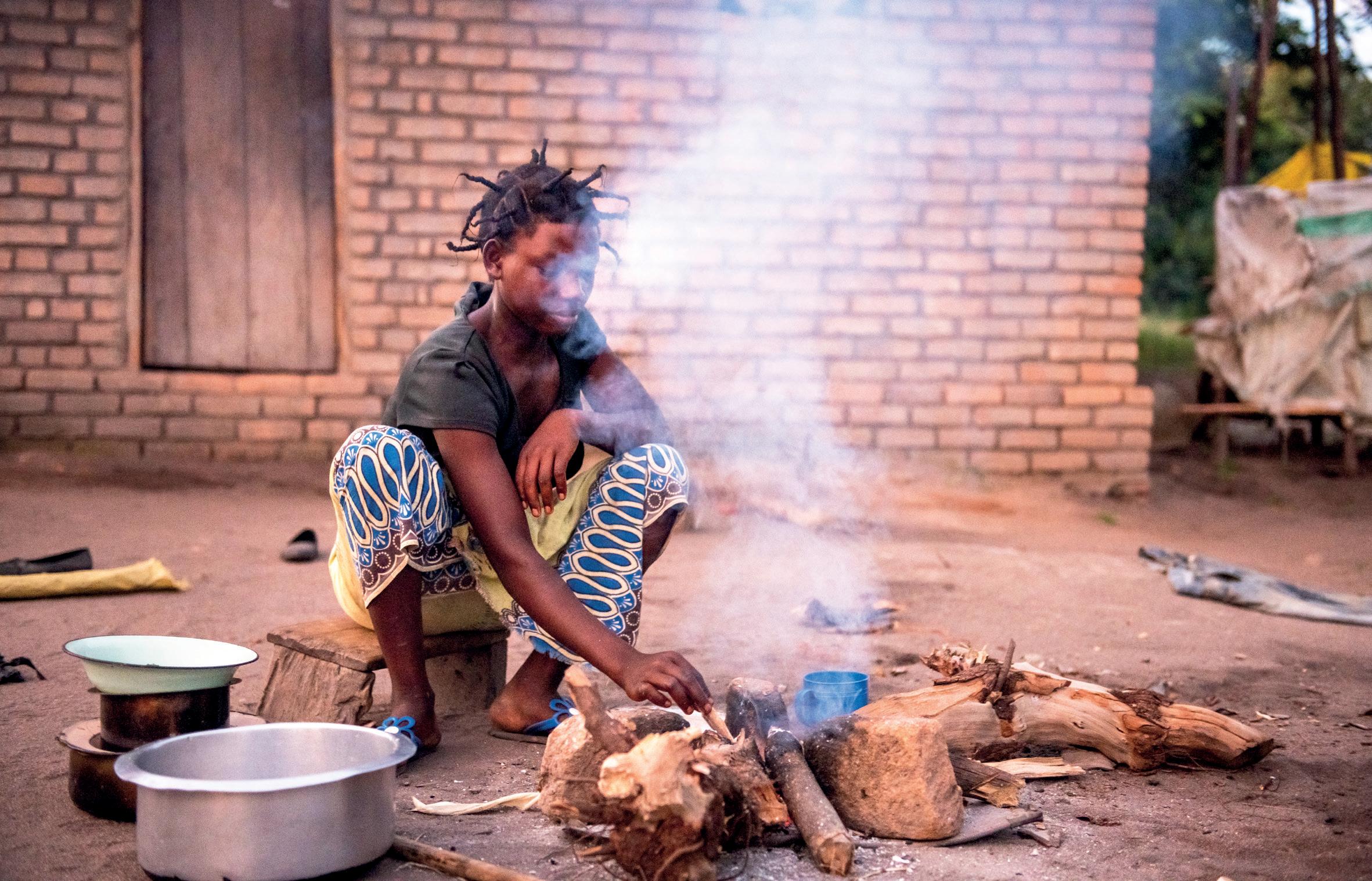
AFTER SHOWING some signs of progress, Africa is backsliding in its efforts to meet energy needs of its population. More Africans live without electricity and clean cooking fuel now than a decade ago (see 'Left behind'). In subSaharan Africa, which is home to some of the world's poorest countries, every other person (566 million) lacks access to electricity and 82 per cent (933.5 million) prepare meals with polluting fuel. This is at a time when most other regions are on track to achieve universal access to clean energy as part of the UN's Sustainable Development Goal 7. In North Africa and West Asia, 92.6 per cent of the people have access to clean fuel and technology, shows an estimate by the International Energy Agency (IEA) in its report, "Tracking SDG7: The Energy Progress Report, 2022"; globally, the figure is 71.1 per cent.
The IEA report further states that sub-Saharan Africa's share in the global population without electricity has risen to 84 per cent from 50 per cent a decade ago; and its share in global population without clean cooking fuel has increased to 41 per cent from 25 per cent. If governments respond ineptly, warns the UN, over 1.1 billion people in the region could be without clean fuels by 2030.
Such a high level of energy poverty has ripple effects on people's everyday lives; it impacts health, shrinks livelihood options, impedes economic growth and makes access to education nearly impossible. More than that, it creates a trap that keeps countries underdeveloped and people poor. This is already playing out in sub-Saharan Africa.


Diese Geschichte stammt aus der July 01, 2023-Ausgabe von Down To Earth.
Abonnieren Sie Magzter GOLD, um auf Tausende kuratierter Premium-Geschichten und über 9.000 Zeitschriften und Zeitungen zuzugreifen.
Sie sind bereits Abonnent? Anmelden
WEITERE GESCHICHTEN VON Down To Earth
Down To Earth
Popular distrust
THE WORLD seems to be going through a period of stasis despite facing an unfathomable polycrisis.

2 mins
February 01, 2026
Down To Earth
CONSERVE OR PERISH
Periyar Tiger Reserve has rewritten Indian conservation by turning poachers into protectors and conflict into coexistence
5 mins
February 01, 2026

Down To Earth
'Rivers need to run free'
From Tibet to West Bengal, the Brahmaputra is the pulse of communities and ecosystems along its course. But what are the risks the river faces through human interventions, particularly dams, discusses journalist, author and filmmaker SANJOY HAZARIKA in his new book, River Traveller.
4 mins
February 01, 2026

Down To Earth
India is facing up to its innovation lag
There are signs now that India is acknowledging the superior strides made by China in a frontier technology like Al
4 mins
February 01, 2026

Down To Earth
Competing concerns
What are the repercussions of the EU-Mercosur pact that have made European farmers protest against the free trade agreement?
4 mins
February 01, 2026

Down To Earth
From fryer to flight
Sustainable fuel made from used cooking oil can play a pivotal role in helping India achieve its aviation emission reduction goals. Measures to collect this oil must be revamped
4 mins
February 01, 2026

Down To Earth
ACCESS OPEN
An amendment to India's nodal forest conservation law opens up forests across India to commercial exploitation by the paper industry
6 mins
February 01, 2026
Down To Earth
DRINK FROM TAP CAN BE A REALITY
As cities across India struggle to supply safe piped water, Odisha offers a success story
2 mins
February 01, 2026

Down To Earth
GREAT DRYING
The Earth is hotter than at any point in the past 100,000 years, with 2023-25 becoming the warmest three-year period on record and also breaching the 1.5°C threshold for the first time. One fallout is dwindling freshwater.
22 mins
February 01, 2026

Down To Earth
Green redemption
Restoration of grasslands of Kerala's Pampadum Shola National Park, once dominated by invasive Australian wattles, see a return of streams and native species
1 mins
February 01, 2026
Translate
Change font size