कोशिश गोल्ड - मुक्त
GREAT NICOBAR DILEMMA
Down To Earth
|March 16, 2026
In the fragile ecosystem of Nicobar, strategic development must align with constitutional commitment to protect environment, indigenous dignity
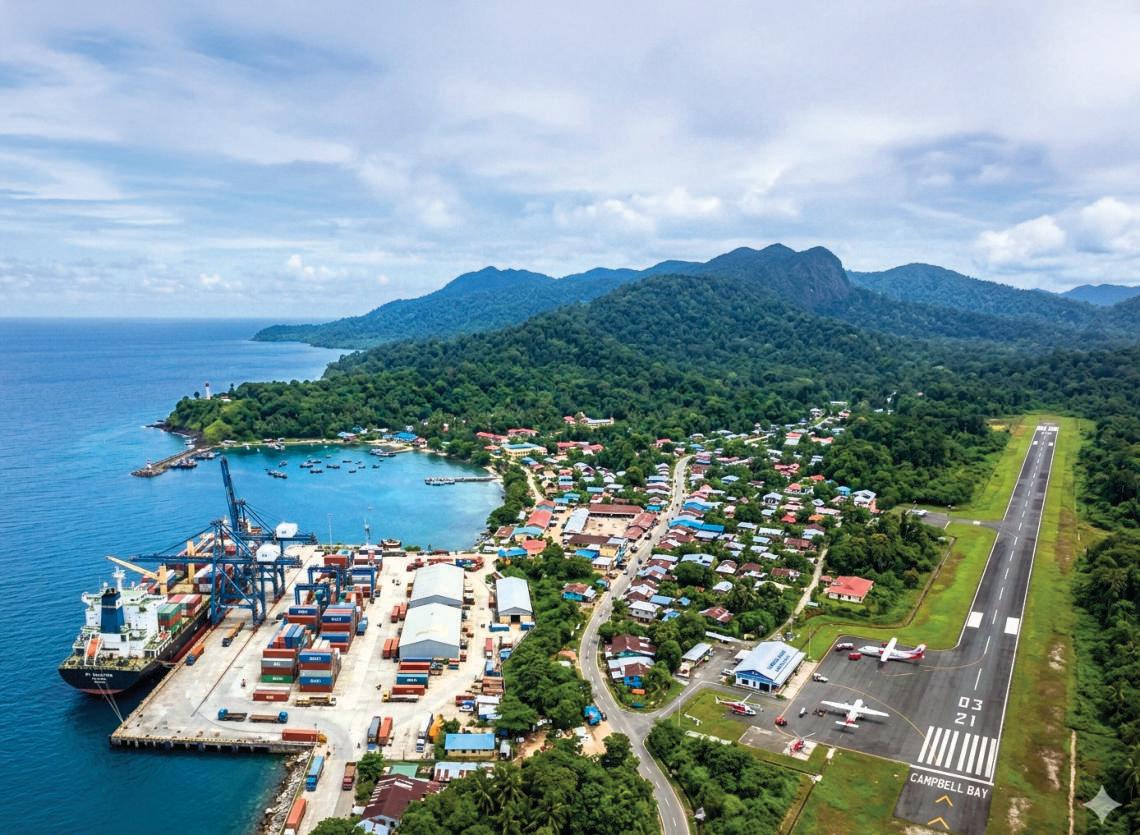
ON FEBRUARY 16, the National Green Tribunal (NGT) upheld environmental clearances granted to the Great Nicobar Island development project.
The ruling clears the path for a transshipment port, airport expansion, township development and allied infrastructure. But it leaves unresolved a deeper constitutional question: can large-scale transformation of a fragile island proceed without first scientifically establishing ecological and anthropological limits?
Great Nicobar is not vacant territory awaiting strategic fulfilment. It is one of India's most biologically distinctive and culturally sensitive regions. It hosts several “vulnerable” species, including the leatherback sea turtle, robber crabs, Nicobar megapode (a bird endemic to the islands) and the Nicobar long-tailed macaque, another endemic species. The largest living reptile, the saltwater crocodile, roams these islands as the apex predator. These are not just peripheral species; they are ecological sentinels of beaches, mangroves and the primary rainforest systems that have evolved over millennia in relative isolation. The archipelagic island chain is also home to the Shompen, a Particularly Vulnerable Tribal Group (PVTG), and the Nicobarese community, whose lives are interwoven with forests and coast.

यह कहानी Down To Earth के March 16, 2026 संस्करण से ली गई है।
हजारों चुनिंदा प्रीमियम कहानियों और 10,000 से अधिक पत्रिकाओं और समाचार पत्रों तक पहुंचने के लिए मैगज़्टर गोल्ड की सदस्यता लें।
क्या आप पहले से ही ग्राहक हैं? साइन इन करें
Down To Earth से और कहानियाँ
Down To Earth
GREAT NICOBAR DILEMMA
In the fragile ecosystem of Nicobar, strategic development must align with constitutional commitment to protect environment, indigenous dignity

3 mins
March 16, 2026
Down To Earth
CATCH BY THE ROOTS
Sabai grass could be a game-changer for the marginalised economies of West Bengal's dry uplands. All it needs is an efficient market strategy
4 mins
March 16, 2026

Down To Earth
POWERING TRANSITION
India's renewable ambitions are rising rapidly, with half of its installed power capacity now coming from non-fossil sources. Yet the gap between capacity and generation remains wide. The experiences of two pioneering states, Karnataka and Tamil Nadu, which together generate over a fifth of the country's renewable energy, offer crucial lessons for accelerating the transition, reports PUJA DAS from Bengaluru, Chennai, Mumbai and New Delhi
16 mins
March 16, 2026
Down To Earth
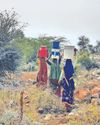
At core of survival
Water scarcity defines life in a village inside Sariska Tiger Reserve's critical habitat, as debates over its relocation drag on
5 mins
March 16, 2026

Down To Earth
What's on your plate
An upcoming digital tool can help people learn about the origin of their meals and make climate-positive food choices
2 mins
March 16, 2026

Down To Earth
'Bad environment can never be good economics'
The Supreme Court of India and even the high courts were once very active and took a proactive role in protecting the environment; unfortunately, that is no longer true
4 mins
March 16, 2026
Down To Earth
Things fall apart
IN THE past year, the world has counted more missiles and bombs than hours.
2 mins
March 16, 2026

Down To Earth
Universities in crisis, innovation is stifled
Political control and skewed policies have led to unrest in academia, stifling creativity and meaningful research
4 mins
March 16, 2026

Down To Earth
SPARK IN THE GAME
The Reserve Bank of India's restored recognition of Default Loss Guarantees re-enables credit flow into last-mile electric mobility
3 mins
March 16, 2026

Down To Earth
Ushering in new eras
An appraisal of the state of biodiversity conservation, pollution reduction and climate adaptation regimes in India
3 mins
March 16, 2026
Listen
Translate
Change font size