कोशिश गोल्ड - मुक्त
Should we scrap daylight saving time?
BBC Science Focus
|November 2024
Most of us look forward to the extra hour we get in bed every October, but researchers argue that changing the clocks twice a year harms our health

Human beings don't like change. As a species, we're a conservative bunch, very adaptable, of course, but ultimately fond of safe, predictable stasis. So it's odd that twice a year, every year, we inflict a big, fundamental change upon ourselves when we turn our clocks back in autumn and forward in spring. On paper, this biannual gear shift doesn't seem that significant - it's only an hour after all. But our bodies really don't like change. The negative effects on our wellbeing are such that many health researchers believe the sun needs to set on daylight saving time (DST) altogether.
Their reasoning? The clocks inside our bodies aren't as easy to change as the ones on our walls. Mounting research shows that artificially altering the time twice a year has a significant impact on our circadian health, interrupting the rhythm of the internal body clocks that keep many of our bodily functions ticking. When the clocks spring forward in March, for example, there's usually a 25-per-cent uptick in the number of heart attacks reported. It's thought disruption to our circadian clocks raises our blood pressure and the amount of cortisol, a stress hormone, in our systems, increasing the overall risk of a heart attack.
Other research suggests that circadian disruption interferes with our immune response, with the number of natural killer cells a person has falling when their body clock is knocked out of sync. When we gain an hour in October, the sudden onset of darkness also takes a toll. "Particularly among people of European ancestry, there are those individuals who suffer from seasonal affective disorder," says Dr John O'Neill, who studies circadian rhythms at the Medical Research Council Laboratory of Molecular Biology. "That's thought to be due to the times you see light. When you perceive that the day length is shorter, it signals you to be less active and this tends to lead to a lower mood."
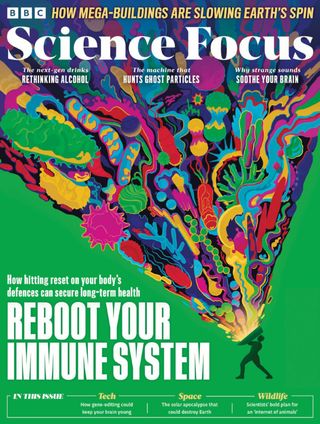

यह कहानी BBC Science Focus के November 2024 संस्करण से ली गई है।
हजारों चुनिंदा प्रीमियम कहानियों और 10,000 से अधिक पत्रिकाओं और समाचार पत्रों तक पहुंचने के लिए मैगज़्टर गोल्ड की सदस्यता लें।
क्या आप पहले से ही ग्राहक हैं? साइन इन करें
BBC Science Focus से और कहानियाँ

BBC Science Focus
DOES MY DOG HAVE ADHD?
Officially, Attention-Deficit Hyperactivity Disorder (ADHD) is a human condition. People are diagnosed with it. Dogs are not. Yet many of its core features, including hyperactivity, impulsivity and distractibility, can be found in dogs.

1 min
March 2026

BBC Science Focus
DOES MY BRAIN LIVE A LITTLE IN THE PAST?
Yes, your brain does live a little in the past. It can't help it. The information it receives via your senses is always a little out of date. Whether it's light entering the retinas in your eyes, or sounds vibrating the hairs in your ears, it not only takes time for the data to arrive, but your brain then has to process it.
2 mins
March 2026

BBC Science Focus
ASTRONOMY FOR BEGINNERS
RETURN OF THE EVENING STAR (VENUS)
1 mins
March 2026

BBC Science Focus
CAN YOU STOP YOUR SENSE OF TASTE DULLING AS YOU AGE?
Sometimes I hear people say that food just doesn't taste the same as they get older. It's tempting to blame this on age, but there are other factors at play, too.
1 mins
March 2026
BBC Science Focus
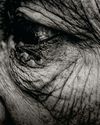
MICROBIOMES OF THE SUPERAGERS
BY STUDYING THE INCREASING NUMBER OF PEOPLE WHO ARE LIVING BEYOND THEIR 100TH BIRTHDAYS, SCIENTISTS ARE DISCOVERING THAT THE SECRET TO REACHING A RIPE OLD AGE IN RUDE HEALTH MIGHT LIE IN OUR GUTS
8 mins
March 2026

BBC Science Focus
HOW BIG WERE MEDIEVAL WAR HORSES?
You might picture knights charging into battle on towering steeds, but medieval horses were typically no bigger than modern-day ponies.
1 min
March 2026

BBC Science Focus
FORCES OF HABIT
Could new research on setting up healthy habits resuscitate those stuttering New Year resolutions?
3 mins
March 2026

BBC Science Focus
5 DANGERS HIDING IN YOUR PROCESSED FOOD
We all know that ultra-processed foods are bad for us, but what ingredients should we particularly try to avoid? And what are they doing to our bodies?
9 mins
March 2026
BBC Science Focus
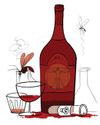
Mosquitoes are becoming thirstier for human blood
Habitat loss may be pushing mosquitoes towards human hosts with deadly consequences
1 mins
March 2026

BBC Science Focus
HOW CAN I GET OVER MY EX?
Relationship breakups can be brutal, just look at the popularity of songs like 'Someone Like You' by Adele, or all the covers of 'Cry Me a River' by Julie London.
1 mins
March 2026
Listen
Translate
Change font size