
मैगज़्टर गोल्ड के साथ असीमित हो जाओ
10,000 से अधिक पत्रिकाओं, समाचार पत्रों और प्रीमियम कहानियों तक असीमित पहुंच प्राप्त करें सिर्फ
कोशिश गोल्ड - मुक्त
Cycle syncing has the potential to change lives
BBC Science Focus
|April 2025
Adapting to hormonal fluctuations throughout the menstrual cycle could be a secret weapon in the fight against breast cancer
-
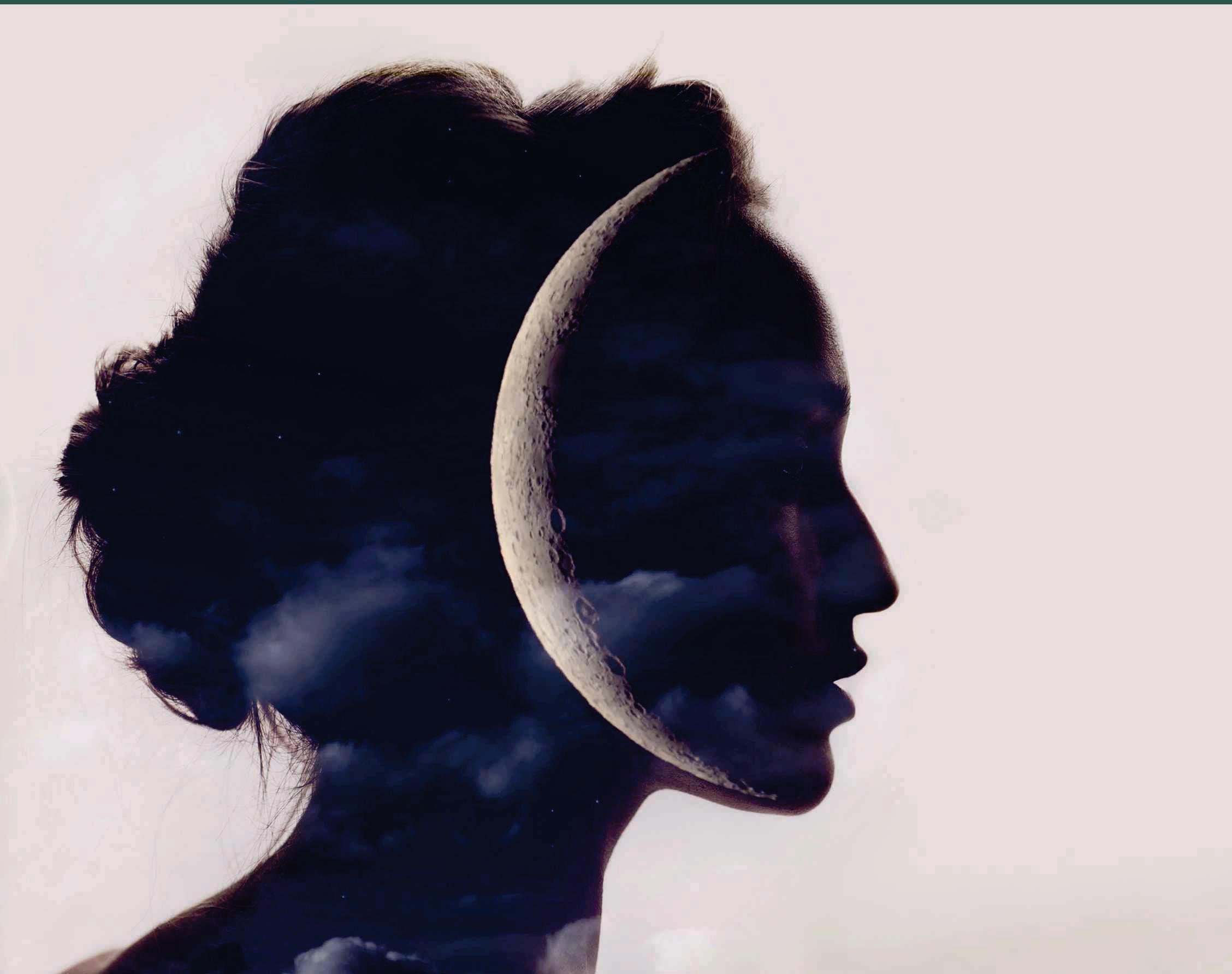
Cycle syncing is having 'a moment.' The practice, which involves women adjusting their habits to align with their menstrual cycle, is all over the digital realm.
Menstrual tracking apps - Clue and Flo are just two examples of the many available - are popular. Downloaded to phones, smartwatches and other wearable tech, they're currently used by an estimated 50 million people. Most women use them to track their periods and understand their cycles. On social media, however, cycle syncing is touted by influencers as a means to enhance fitness, help you lose weight and even boost your creativity.
There's scant evidence to back those claims, however. Research published this year from McMaster University, in Canada, for example, found no link between synchronising menstruation phases and exercise routines with the body's ability to build muscle and strength. It hasn't stopped #cyclesyncing from notching up more than 500 million views on TikTok, but it has drawn attention away from another application for cycle syncing: making drugs and medical tests work better.
For drugs to be authorised for use, they have to first be tested in clinical trials. Before the 1990s, however, women were largely excluded from these trials because, it was thought, their fluctuating hormones would cloud the results. The female body was considered too complex and variable, and so most of the studies were done on men. Even female animals were often omitted from laboratory research for the same reasons.
This has changed now, but the effects of the menstrual cycle on drug response remain murky. It’s known, for example, that certain painkillers, such as morphine, are more or less effective at different points in the cycle. Beyond that though, little is known.

यह कहानी BBC Science Focus के April 2025 संस्करण से ली गई है।
हजारों चुनिंदा प्रीमियम कहानियों और 10,000 से अधिक पत्रिकाओं और समाचार पत्रों तक पहुंचने के लिए मैगज़्टर गोल्ड की सदस्यता लें।
क्या आप पहले से ही ग्राहक हैं? साइन इन करें
BBC Science Focus से और कहानियाँ

BBC Science Focus
HEALTH: Eating oats could lower your cholesterol in just two days
The health benefits of a two-day porridge diet lasted for weeks afterwards

1 mins
April 2026

BBC Science Focus
Most people are too sure they can identify fake human faces
Even 'super recognisers' struggle with the challenge. Can you do better?
1 min
April 2026

BBC Science Focus
WHAT'S THE WORST THING YOU CAN DO FOR THE PLANET ONLINE?
Human beings can barely move a muscle without some kind of deleterious effect on the environment around us.
2 mins
April 2026

BBC Science Focus
A bug in the system
The complex arrangement of equipment you see here is part of a particle accelerator.
1 min
April 2026

BBC Science Focus
Snug as a bug in a rug
At first glance, you might feel envious of this little leafhopper, swaddled beneath the folds of what appears to be a luxurious fur blanket.
1 min
April 2026

BBC Science Focus
WHY DO WE ROOT FOR THE VILLAIN IN MOVIES?
Whether it's Darth Vader or Cruella de Vil, we all have a favourite movie villain.
1 mins
April 2026

BBC Science Focus
A TURN TO DISPERSE
Why a fart walk after dinner does more than release your gas
3 mins
April 2026
BBC Science Focus
Hatching a nebula
Welcome to the Egg Nebula, an enigmatic structure formed by ejected stardust in the Cygnus constellation around 1,000 light-years from Earth.
1 min
April 2026

BBC Science Focus
7 TIMES AI GOT IT SPECTACULARLY WRONG
For the past four years, AI has been reshaping how we work and live. But its failures are proving just as transformative as its triumphs
8 mins
April 2026
BBC Science Focus
CHARLES ADCOCK, VIA EMAIL: COULD DARK MATTER BE ALL AROUND PLANET EARTH BUT UNDETECTABLE?
Astronomers have gathered overwhelming evidence that 80 per cent of all matter in the Universe is invisible.
1 min
April 2026
Listen
Translate
Change font size