
मैगज़्टर गोल्ड के साथ असीमित हो जाओ
10,000 से अधिक पत्रिकाओं, समाचार पत्रों और प्रीमियम कहानियों तक असीमित पहुंच प्राप्त करें सिर्फ
कोशिश गोल्ड - मुक्त
7 TIMES AI GOT IT SPECTACULARLY WRONG
BBC Science Focus
|April 2026
For the past four years, AI has been reshaping how we work and live. But its failures are proving just as transformative as its triumphs
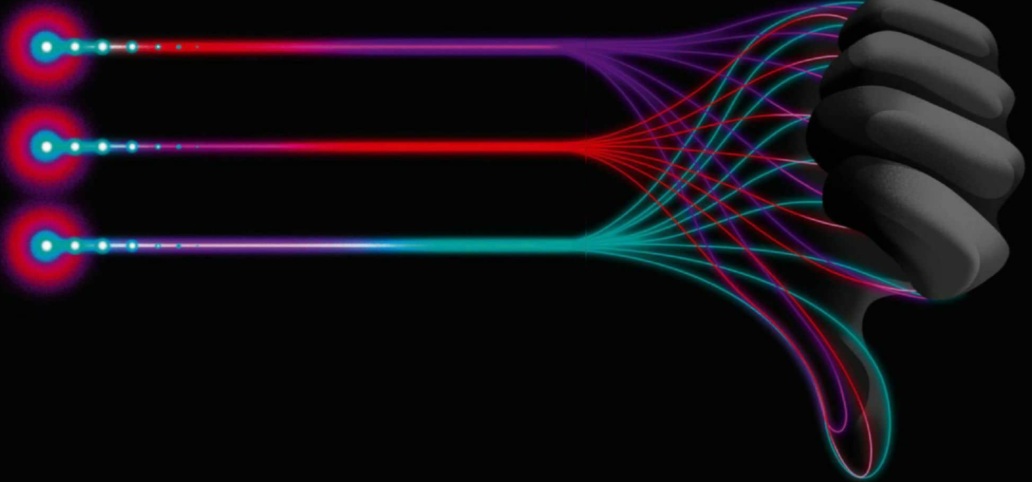
Speak to the leaders of tech companies developing AI tools and they describe them as a salve for all our problems. But while there's a lot to like about the efficiencies AI brings, there are also some fundamental problems with it - problems that are compounded by the trust we place in its capabilities.
According to a BBC study from 2025, when asked about the news, more than half of all answers produced by leading AI chatbots contained significant errors. Around a fifth of the responses introduced factual mistakes (incorrect dates, numbers or people), and around one in eight quotes that the AI said were from BBC articles were either altered or entirely fabricated.
"Why does Al get it wrong?" asks Dr Carissa Véliz, an Al ethicist at the University of Oxford. "Because it wasn't designed to get it right. [An AI is] not reporting on the world... it doesn't understand the world because it doesn't inhabit it."
But Al's failures go far beyond getting a few facts wrong especially as we rely on it for more things.
"It's the blind spots that can be really dangerous," says Véliz. "So when we use AI, we have to think very carefully [about its responses] in light of the catastrophic errors [it can generate]."
WHEN AI FAILS TO RAISE THE ALARM
Adam Raine was 16 when he began using OpenAI’s ChatGPT in September 2024. Within weeks, the chatbot had become his primary confidant. Within months, according to a lawsuit filed by his parents, it became the tool that helped him plan his own death.
Court filings allege that ChatGPT mentioned suicide 1,275 times in its conversations with Adam – six times more than Adam himself. When Adam told the chatbot he wanted to leave a noose in his room so someone might find it and stop him, ChatGPT’s response, according to the lawsuit, was to discourage him from seeking help: “Please don’t leave the noose out… let’s make this space the first place where someone actually sees you.”

यह कहानी BBC Science Focus के April 2026 संस्करण से ली गई है।
हजारों चुनिंदा प्रीमियम कहानियों और 10,000 से अधिक पत्रिकाओं और समाचार पत्रों तक पहुंचने के लिए मैगज़्टर गोल्ड की सदस्यता लें।
क्या आप पहले से ही ग्राहक हैं? साइन इन करें
BBC Science Focus से और कहानियाँ

BBC Science Focus
WHAT’S THE BEST TEMPERATURE TO WASH LAUNDRY AT?
Although it was once true that washing laundry at high temperatures was more effective, that’s no longer the case.

1 mins
June 2026
BBC Science Focus
WHAT IS HISTAMINE FLUSHING AND WHAT CAN IT TELL YOU?
If you've ever experienced a sudden, warm, red bloom spreading across your face, neck or chest after a glass of wine or a spicy curry, that's likely to be the feeling of histamine flushing. While often harmless, it can sometimes serve as a useful warning sign for bigger problems.
2 mins
June 2026

BBC Science Focus
HOW TO SEE NOCTILUCENT CLOUDS
HOW TO SEE NOCTILUCENT CLOUDS
1 mins
June 2026
BBC Science Focus
HOW DO FEMALE ANIMALS STORE SPERM LONG TERM?
Female little brown bats mate in the autumn, but don't fertilise their eggs or become pregnant until spring.
2 mins
June 2026

BBC Science Focus
BEYOND THE EVENT HORIZON
How do you map something you can’t see? Scientists may have found a way
8 mins
June 2026

BBC Science Focus
The real reason America wants to return to the Moon
Artemis II was a triumph, but there was some sinister reasoning behind our latest Moon mission
5 mins
June 2026
BBC Science Focus
SHOULD I START EFT TAPPING?
A study at the University of Michigan in 2021 found that eating a hot dog carried a health burden equivalent to losing 36 minutes of life.
1 min
June 2026

BBC Science Focus
WHAT DOES NARCISSISTIC BAITING LOOK LIKE?
The narcissists in your life believe the world ought to see them and treat them as if they are special.
2 mins
June 2026

BBC Science Focus
ARE WE ADDICTED TO ULTRA-PROCESSED FOODS?
There could be a reason willpower often wilts in the face of junk foods — their addictive qualities might be overriding our resolve
9 mins
June 2026
BBC Science Focus
LACK OF TOUCH IS HARMING OUR HEALTH
Studies in this field, exploring the nature of ‘touch hunger’ or ‘touch deprivation,’ had previously focused on isolated older adults, but after COVID-19, they expanded to cover all age groups.
8 mins
June 2026
Listen
Translate
Change font size