कोशिश गोल्ड - मुक्त
The Years of Jubilee
The Atlantic
|December 2023
In 1871, the choir of the struggling Fisk University engaged in a gambit to save the school: It decided to go on a singing tour of America. The choir achieved more than its members could have imagined.

One of the treasures of Black history is preserved in a plain gray box, stashed away in a quiet room. In Nashville one morning, as the Fisk University campus shimmered in the summer heat, I walked into the archives of the Franklin Library to see it: a collection of papers from just after the Civil War about the founding of the university and others like it. I put on a pair of white cloth gloves to handle the pages. The stories I read in the collection were real, but they also felt to me like cosmology, recounting the beginnings of Black institutions I love and the arduous labors and journeys of the people who made them. The world described in the archive seemed especially malleable: open to possibility, and open to being shaped according to the hopes of the Black people in it.
One story in particular stood out, from the diary of a young woman named Ella Sheppard. In the summer of 1871, she was stuck waiting for a train home, in a hotel somewhere in the middle of Tennessee.
She was traveling with a group of students, also Black, back to Nashville after singing at a concert in Memphis. Traveling in the South was dangerous for any Black person, let alone for a coed group of students making their way through the state where the Ku Klux Klan had recently been founded.
According to Sheppard's diary, the presence of the Black singers did indeed attract attention. A mob of local white men, engaged in what another source euphemistically described as "electioneering," began to threaten the students. As Sheppard recalled in her diary, the troupe left the hotel with the mob still in tow and walked to the railroad stop, where the choir began to sing a hymn. The mob melted away. As the train approached, Sheppard wrote, only the leader of the mob remained.
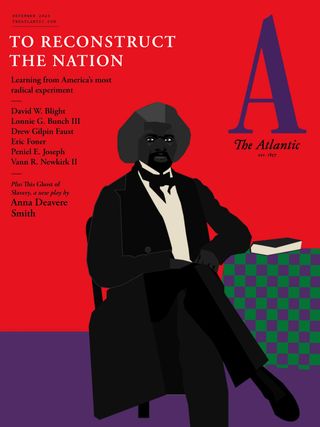

यह कहानी The Atlantic के December 2023 संस्करण से ली गई है।
हजारों चुनिंदा प्रीमियम कहानियों और 10,000 से अधिक पत्रिकाओं और समाचार पत्रों तक पहुंचने के लिए मैगज़्टर गोल्ड की सदस्यता लें।
क्या आप पहले से ही ग्राहक हैं? साइन इन करें
The Atlantic से और कहानियाँ
The Atlantic
The Eighth Deadly Sin
Humankind has devised a new form of debasement.

5 mins
May 2026

The Atlantic
The Art of the (New) Deal
What the murals of the Wilbur J. Cohen Federal Building can teach us about patriotism, propaganda, and beauty
12 mins
May 2026

The Atlantic
New Chairs
Collaboration, for Robert Rauschenberg and Merce Cunningham, began with the arrangement of chairs.
1 mins
May 2026

The Atlantic
HISTORY IS RUNNING BACKWARDS
Why reactionaries are taking over the world
21 mins
May 2026

The Atlantic
SOMEDAY IN TEHRAN
Like Donald Trump, I, too, once underestimated the Islamic Republic of Iran.
16 mins
May 2026

The Atlantic
On Losing a Daughter
The people we were died at the exact moment our child did.
19 mins
May 2026

The Atlantic
I Found It: The Best Free Restaurant Bread in America
Thirteen thousand miles. Infinite contenders. One beautiful loaf.
15 mins
May 2026

The Atlantic
EVERYTHING IS FREE AND NOTHING MATTERS
What I saw at Jeff Bezos's Campfire retreat
9 mins
May 2026

The Atlantic
Who Is Black Comedy For?
A new book is nostalgic for the '90s. But the era of crossover success was not necessarily the pinnacle of Black comedic achievement.
8 mins
May 2026

The Atlantic
The Feeling of Becoming Less and Less of a Person
In Ben Lerner's new novel, technology divides us further from one another, and ourselves.
9 mins
May 2026
Translate
Change font size