
मैगज़्टर गोल्ड के साथ असीमित हो जाओ
10,000 से अधिक पत्रिकाओं, समाचार पत्रों और प्रीमियम कहानियों तक असीमित पहुंच प्राप्त करें सिर्फ
Is Progress Possible In Philosophy?
Philosophy Now
|October/November 2023
Mathis Bitton suggests three ways that philosophy progresses.
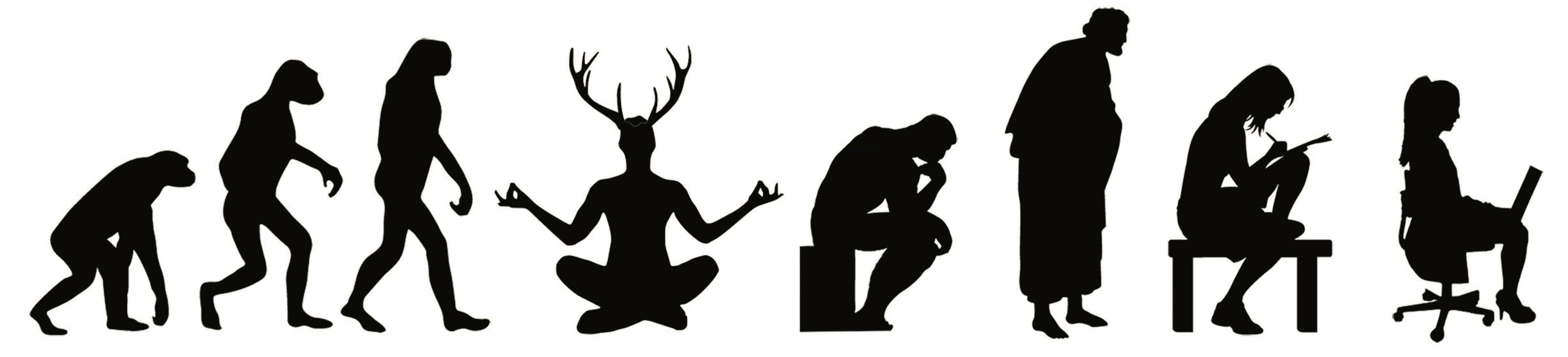
It is often said that philosophy is deprived of the possibility to progress because, unlike science, it cannot accumulate knowledge. But to say that progress is a mere addition of discoveries is to misunderstand the concept. Even in science, progress is far from a linear amassing of theories; scientific history is filled with contestations, revolutions, and redefinitions. The human sciences also defy the linear progress idea. From Durkheim to Weber, from Saussure to Chomsky, it is evident that progress in sociology, linguistics, or even psychoanalysis sciences is neither linear nor cumulative. Rather, it manifests itself through the refinement of analytic techniques, interpretations, and reflections.
A similar posture could be adopted for philosophy. Philosophy does not consider past concepts as obsolescent, or even as able to become obsolescent. We still philosophise around the notion of God; but not in the same way that our predecessors did. This implies two principles: on the one hand, philosophical reflection is trans-historical; on the other hand, the reproblematisation of philosophical questions is in constant evolution. This means that philosophical progress can emerge in three different forms: by extra-philosophical necessity; by totalisation and accumulation; and by dialectical interiorisation and exteriorisation. I want to briefly consider these three options here.
Progress By Extra-Philosophical Necessity
A first way to deny philosophical progress would be to say that the program of science and the march of history do not affect philosophy itself. But they do.

यह कहानी Philosophy Now के October/November 2023 संस्करण से ली गई है।
हजारों चुनिंदा प्रीमियम कहानियों और 10,000 से अधिक पत्रिकाओं और समाचार पत्रों तक पहुंचने के लिए मैगज़्टर गोल्ड की सदस्यता लें।
क्या आप पहले से ही ग्राहक हैं? साइन इन करें
Philosophy Now से और कहानियाँ

Philosophy Now
Bilbo Theorizes About Wellbeing
Eric Comerford overhears Bilbo and Gandalf discussing happiness.

9 mins
December 2025 / January 2026

Philosophy Now
What Women?
Marcia Yudkin remembers almost choking at Cornell
11 mins
December 2025 / January 2026

Philosophy Now
Islamic Philosophers On Tyranny
Amir Ali Maleki looks at tyranny from an Islamic perspective.
4 mins
December 2025 / January 2026

Philosophy Now
Peter Singer
The controversial Australian philosopher defends the right to choose to die on utilitarian grounds
5 mins
December 2025 / January 2026

Philosophy Now
Another Conversation with Martin Heidegger?
Raymond Tallis talks about communication problems.
7 mins
December 2025 / January 2026

Philosophy Now
Letters
When inspiration strikes, don't bottle it up. Email me at rick.lewis@philosophynow.org Keep them short and keep them coming!
17 mins
December 2025 / January 2026

Philosophy Now
The Philosophy of William Blake
Mark Vernon looks at the imaginative thinking of an imaginative artist.
9 mins
December 2025 / January 2026

Philosophy Now
Philosophical Haiku
Peering through life’s lens God in nature is deduced: The joy of being.
1 mins
December 2025 / January 2026

Philosophy Now
Philosophy Shorts
More songs about Buildings and Food' was the title of a 1978 album by the rock band Talking Heads. It was about all the things rock stars normally don't sing about. Pop songs are usually about variations on the theme of love; tracks like Rose Royce's 1976 hit 'Car Wash' are the exception. Philosophers, likewise, tend to have a narrow focus on epistemology, metaphysics and trifles like the meaning of life. But occasionally great minds stray from their turf and write about other matters, for example buildings (Martin Heidegger), food (Hobbes), tomato juice (Robert Nozick), and the weather (Lucretius and Aristotle). This series of Shorts is about these unfamiliar themes; about the things philosophers also write about.
2 mins
December 2025 / January 2026

Philosophy Now
Hedonic Treadmills in the Vale of Tears
Michael Gracey looks at how philosophers have pursued happiness.
8 mins
December 2025 / January 2026
Translate
Change font size