कोशिश गोल्ड - मुक्त
Feeding birds may kill them
BBC Wildlife
|February 2025
We love to attract birds to our gardens, but feeders can pose a deadly risk
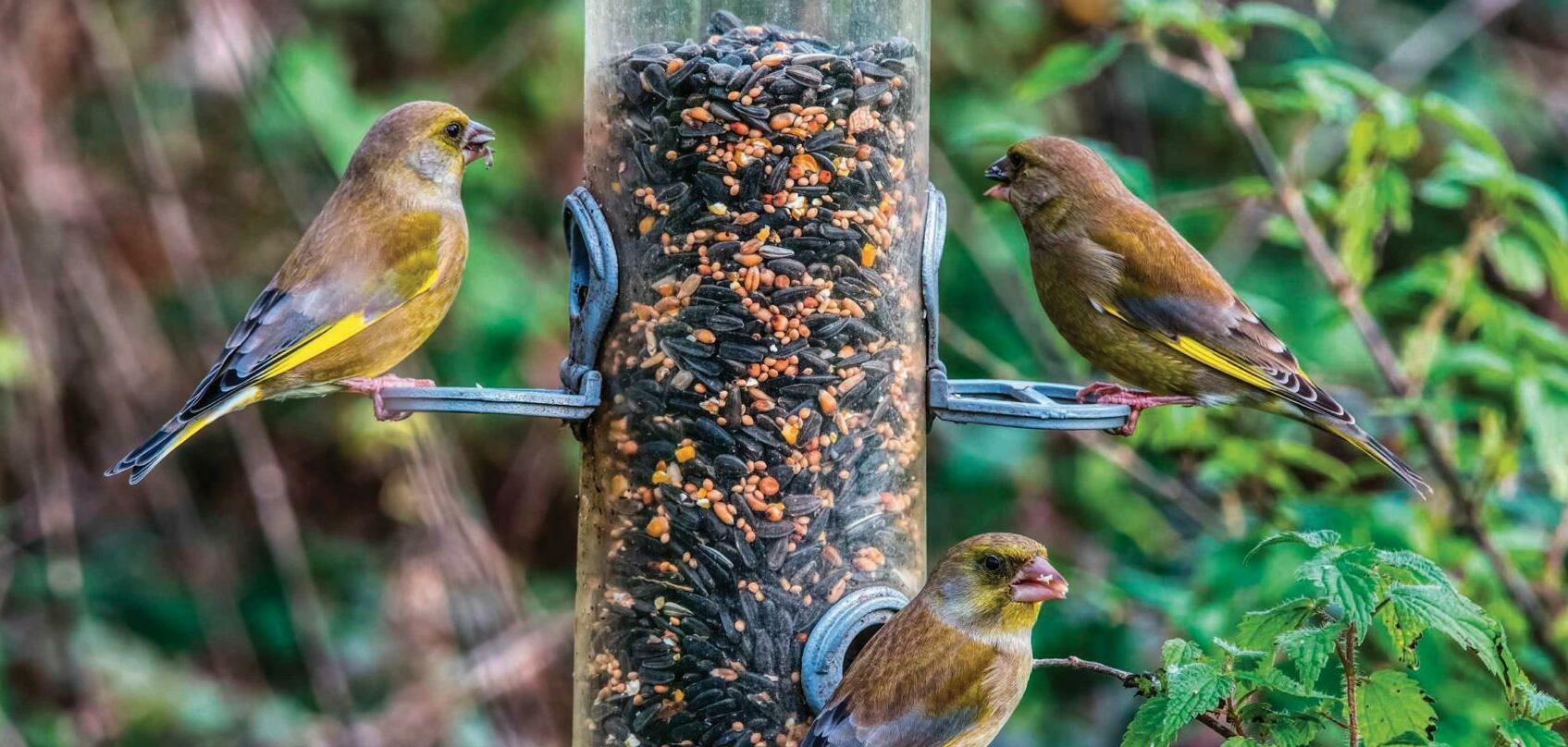
EIGHT OR SO YEARS AGO, DICK WOODS was attracting an estimated 50 greenfinches to the birdfeeders outside his converted barn near Canterbury, Kent. They vastly outnumbered the other species, and then – over a just a couple of weeks – they completely disappeared.
Woods's visitors had succumbed to a deadly disease that has killed around 70 per cent of British greenfinches: trichomonosis, a parasite that first jumped to songbirds from pigeons around 2005. It's thought to be spread mainly on and around birdfeeders, and this got Woods, who is a design engineer by trade, thinking.
The result was Finches' Friend, a redesigned birdfeeder that Woods manufactures at home and says reduces disease transmission. Trichomonosis is spread in saliva, and infected birds regurgitate their food. “You don’t want birds walking, vomiting and defecating in the food provided, so the first thing to do is stop that,” he says. That means the feeder can’t be open for birds to walk in, as in some models.
You also don’t want one bird to drop food from one feeding position onto another below, or the feeder to have open ports into which rain can pour, as the parasite survives better in wet food. Smaller feeders are better, too, because food isn’t sitting around in them for long periods. Woods has also introduced nifty features that make his design easier to clean. (In my experience, this is objectively true.)
But he can’t say for sure that his products are effective. He’s tried to persuade conservation groups such as the RSPB to carry out studies to see if they can protect finches (the group most prone to trichomonosis), but so far has been met with a metaphorical shrug of the shoulders.
As well as greenfinches, chaffinches have been hit, declining by nearly 20 per cent in the past decade, while goldfinches, in contrast, have largely gone. The other way, benefiting from supplementary food – the reasons that are still not fully understood.

यह कहानी BBC Wildlife के February 2025 संस्करण से ली गई है।
हजारों चुनिंदा प्रीमियम कहानियों और 10,000 से अधिक पत्रिकाओं और समाचार पत्रों तक पहुंचने के लिए मैगज़्टर गोल्ड की सदस्यता लें।
क्या आप पहले से ही ग्राहक हैं? साइन इन करें
BBC Wildlife से और कहानियाँ
BBC Wildlife
Animal welfare
FURTHER TO EM GENOVESE'S LETTER (Your Letters, Spring 2026), I would like to signpost the charity Wild Welfare to readers.

2 mins
May 2026
BBC Wildlife
"The hooves pounded up the trail behind us"
Moose in Colorado
3 mins
May 2026

BBC Wildlife
SEAGRASS SAVIOURS
Sometimes, saving the planet requires a bright idea, some practical know-how and a bit of tinkering
6 mins
May 2026
BBC Wildlife
WALL TO WILD
After the fall of the Berlin Wall, reunified Germany became a new landscape not only for people, but for wildlife too 'M SITTING IN A FOREST IN Brandenburg, northeast Germany, looking over a large clearing.
7 mins
May 2026
BBC Wildlife
SNAP-CHAT
Samuel Bloch on wild horses, crazy capercaillies and sleeping on the job
2 mins
May 2026
BBC Wildlife
Old trees key to resilience
Study finds mature trees trump youthful ones
1 min
May 2026
BBC Wildlife
ONE STEP BEYOND
There's a lot more to these quirky seabirds than their eye-catching limbs
2 mins
May 2026
BBC Wildlife
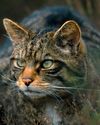
RETURN OF A LEGEND
Once teetering on the very brink of extinction, the elusive Scottish wildcat is prowling the Highlands once more, thanks to a bit of help
7 mins
May 2026

BBC Wildlife
Urban scavengers help curb carbon
New study reveals the extent of emissions saved as city animals feast on food waste
2 mins
May 2026
BBC Wildlife
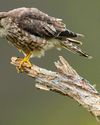
Merlin on the brink
The diminutive raptor is one of many species facing extinction in Britain, suggests new report
1 mins
May 2026
Listen
Translate
Change font size