कोशिश गोल्ड - मुक्त
OUT IN THE OPEN
Down To Earth
|August 01, 2021
Contrary to the government's claim of India being open defecation free, 15 per cent of Indians still go out to relieve themselves, says a WHO-UNICEF report

ON OCTOBER 2, 2019, Prime Minister Narendra Modi declared India open defecation-free (ODF). A long-pursued target of successive governments, the milestone was celebrated with much fanfare on Mahatma Gandhi's 150th birth anniversary. With India's achievement, the world made great strides in meeting the sixth Sustainable Development Goal (SDG-6) that ensures availability and sustainable management of water and sanitation for all by 2030. Before 2014, the country was responsible for 60 percent of the world's open defecation burden with over 550 million people not having access to toilets, as per the Union Ministry of Jal Shakti.
However, a report titled Progress on Household Drinking Water, Sanitation and Hygiene 2000-2020 by the World Health Organization (who) and the United Nations Children's International Emergency Fund (UNICEF) released on July 1, 2021, raises doubts about India's claim. The Joint Monitoring Programme (JMP) report assesses the progress the world has made on household drinking water, sanitation and hygiene between 2000 and 2020 to measure the progress made towards achieving SDG-6. It acknowledges that India is responsible for the largest drop in open defecation since 2015, in terms of absolute numbers. Open defecation had dropped by 16 per cent points over the 10 years since 2000. The pace of reduction picked up after 2016, with open defecation dropping by 14 per cent points in only five years, notes the report.

यह कहानी Down To Earth के August 01, 2021 संस्करण से ली गई है।
हजारों चुनिंदा प्रीमियम कहानियों और 10,000 से अधिक पत्रिकाओं और समाचार पत्रों तक पहुंचने के लिए मैगज़्टर गोल्ड की सदस्यता लें।
क्या आप पहले से ही ग्राहक हैं? साइन इन करें
Down To Earth से और कहानियाँ

Down To Earth
THINK TWICE BEFORE FELLING SAL TREES
Many trees considered to be affected by sal borer in the 1990s are still alive today

1 mins
February 16, 2026

Down To Earth
EDGE OF SURVIVAL
Caste divides deny marginalised communities land, resources and essential aid, leaving them more vulnerable to climate disasters
6 mins
February 16, 2026

Down To Earth
A WISH LIST?
Union Budget for 2026-27 conveys the impression of a roll-call of intentions and ambitious proposals, with little detail on their formulation
6 mins
February 16, 2026
Down To Earth
Break down the gender wall
THE RULING National Democratic Alliance (NDA) government has been heavily invested in the goal to make India a developed economy by 2047.
2 mins
February 16, 2026

Down To Earth
MENSTRUAL HEALTH, NOW A FUNDAMENTAL RIGHT
In a landmark judgement, the Supreme Court has recognised menstrual health and hygiene as a fundamental right under Article 21 of the Constitution of India, which guarantees the right to life and dignity.
8 mins
February 16, 2026

Down To Earth
Of devolution and new disasters
The 16th Finance Commission pushes for changes in view of new fiscal and climatic conditions
11 mins
February 16, 2026
Down To Earth
Rising risks of plastics
NEGATIVE IMPACTS on human health due to emissions linked to the plastic lifecycle could double by 2040, according to a study published in The Lancet Planetary Health in January.
1 min
February 16, 2026
Down To Earth
GAP BETWEEN EPIDEMICS NARROWING
A watershed-based and landscape-level approach is needed to address forest degradation
2 mins
February 16, 2026
Down To Earth
WAITING TO STRIKE
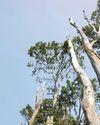
Sal heartwood borer is considered the biggest threat to forestry in India, especially to the sal tree, where it lives and breeds.
11 mins
February 16, 2026

Down To Earth
A SPRING DELIGHT
Mustard flowers are not meant only for the eyes. Invite them to your plate once in a while
3 mins
February 16, 2026
Translate
Change font size