
मैगज़्टर गोल्ड के साथ असीमित हो जाओ
10,000 से अधिक पत्रिकाओं, समाचार पत्रों और प्रीमियम कहानियों तक असीमित पहुंच प्राप्त करें सिर्फ
कोशिश गोल्ड - मुक्त
The Glorious Dead
Country Life UK
|November 11, 2020
This year is the centenary of the unveiling of the Whitehall Cenotaph on Armistice Day in 1920. John Goodall explains how this famous monument came into existence and became a fixture in the nation’s consciousness

ON July 19, 1919, a vast procession of 15,000 servicemen and women seven miles long wound its way through the streets of London, past a naval pageant on the Thames and saluted the King Emperor, George V, at the end of The Mall. It marched to the acclaim of an enormous and elated crowd. The so-called Peace Parade celebrated not only the end of hostilities in the First World War eight months previously, but also the Treaty of Versailles, signed three weeks before. It brought together soldiers from the nations, colonies and Dominions that had fought for the Allied cause during the conflict, from France, Belgium and America to China, Japan, Siam and New Zealand. There was only one important omission—the Indian contingent was delayed on its journey and paraded alone a couple of weeks later on August 2.
At one point, the triumphant mood dramatically subsided. As the massed ranks of troops marched down Whitehall, they passed a tall thin monument hastily fashioned from plaster, timber and canvas to look like stone. It rose by stages from a low podium to a surmounting tomb draped with a Union Flag pall and a laurel wreath. It is from this elevated tomb, honouring those buried elsewhere, that the monument takes its familiar name, from the Greek for empty tomb: the ‘Cenotaph’. Where the tall, dignifying base ends and the tomb begins is impossible to tell. To either side were fixed three standards and at each end was a further laurel wreath with the inscription of the date and the words The Glorious Dead. For the parade, there stood at the corners four sentries with their arms reversed.

यह कहानी Country Life UK के November 11, 2020 संस्करण से ली गई है।
हजारों चुनिंदा प्रीमियम कहानियों और 10,000 से अधिक पत्रिकाओं और समाचार पत्रों तक पहुंचने के लिए मैगज़्टर गोल्ड की सदस्यता लें।
क्या आप पहले से ही ग्राहक हैं? साइन इन करें
Country Life UK से और कहानियाँ
Country Life UK
Opposites can attract
As a big bookcase designed by Peter Waals proves large pieces of furniture can do well, a notable collection shows harmony can be born from difference

3 mins
June 03, 2026
Country Life UK
His green and pleasant land
Few artists travelled as little as John Constable, but his deep knowledge of the parts of England he loved gave him insights that others missed. Susan Owens explores the places that delighted him
6 mins
June 03, 2026

Country Life UK
Dreaming of roses
A thousand English roses now bloom in the restored walled garden that forms the heart of this 27-acre estate, writes Charles Quest-Ritson
4 mins
June 03, 2026
Country Life UK
Ring for peace
A COPIOUS quantity of apple strudel became the unintended consequence of a winter walking holiday in the Austrian Tyrol.
2 mins
June 03, 2026
Country Life UK
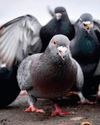
Best of the pests
Pity the feral pigeon: long campaigned against as an urban nuisance, it is the descendant of birds lured into human service, some of which distinguished themselves in wartime
3 mins
June 03, 2026

Country Life UK
Red alert
The time is ripe for tomatoes in every form. We are days into British Tomato Fortnight (June 1–14) and weeks from Royal Ascot (June 16–20), where Bright Tomato has been declared the inaugural Colour of the Year by Ascot creative director Daniel Fletcher.
1 mins
June 03, 2026
Country Life UK
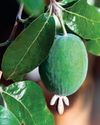
Totally tropical
I FIRST grew pineapple guava, also called feijoa (Acca or Feijoa sellowiana) almost a quarter of a century ago, when there were few nurseries stocking them.
3 mins
June 03, 2026
Country Life UK
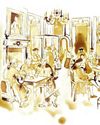
Brewed awakening: where London learnt to talk
Rupert Clague explores how caffeine-fuelled conversation in Hanoverian London’s ‘penny universities’ helped shape the modern world—and where that same spirit still lingers today
5 mins
June 03, 2026
Country Life UK
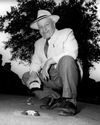
The legacy Percy Shaw and cat's eyes
BEHIND the retina in a cat’s eyes lurks the tapetum lucidum, a layer of tissue that acts as a mirror, or a retroreflector, and allows the animal to see in the dark.
1 mins
June 03, 2026

Country Life UK
Britain is told to spill the beans
HOME-GROWN legumes have a vital role to play in strengthening national food security and reducing the UK's increasing reliance on imported food, the audience heard at last month's UK Legume Research Community Conference, held at the James Hutton Institute in Invergowrie, Perthshire.
2 mins
June 03, 2026
Translate
Change font size