
मैगज़्टर गोल्ड के साथ असीमित हो जाओ
10,000 से अधिक पत्रिकाओं, समाचार पत्रों और प्रीमियम कहानियों तक असीमित पहुंच प्राप्त करें सिर्फ
कोशिश गोल्ड - मुक्त
The Science Of Stings
BBC Wildlife
|August 2019
What makes a slight skin prick, administered by a small flying insect, turn into a life-threatening emergency?

Every entomologist will have been asked: “What is the point of wasps?” But, really, the key biological question is: “What is the point of stings?” That is, why is it that some stings seem more acceptable to us than others? And why is it that some stings really, really hurt?
Wasps sting, but because wasps are, shall we say, ‘under-appreciated’, the sting in the tail has grown in the telling. Wasps are small insects, yet are exaggerated into monsters of phantasmagorical proportions. However, this is a fear based in ignorance. In reality, there are no such things as monsters.
Bees sting too but engender far less fear. Bumblebees are just too cuddly for words anyway, while honeybees are lauded for their earnest and diligent industry, and the production of that quasi-magical stuff called honey. Until recently, bees were also held up as a shining natural example of a social structure where food and shelter, community and safety were seen as the just rewards for a proletariat worker class overseen by a ruling aristocratic elite. Wasps, on the other hand, have been derided since the time of the Greek writer Plutarch, who suggested they were degenerate bees, unable or unwilling to keep up with the morally virtuous hive work ethic.
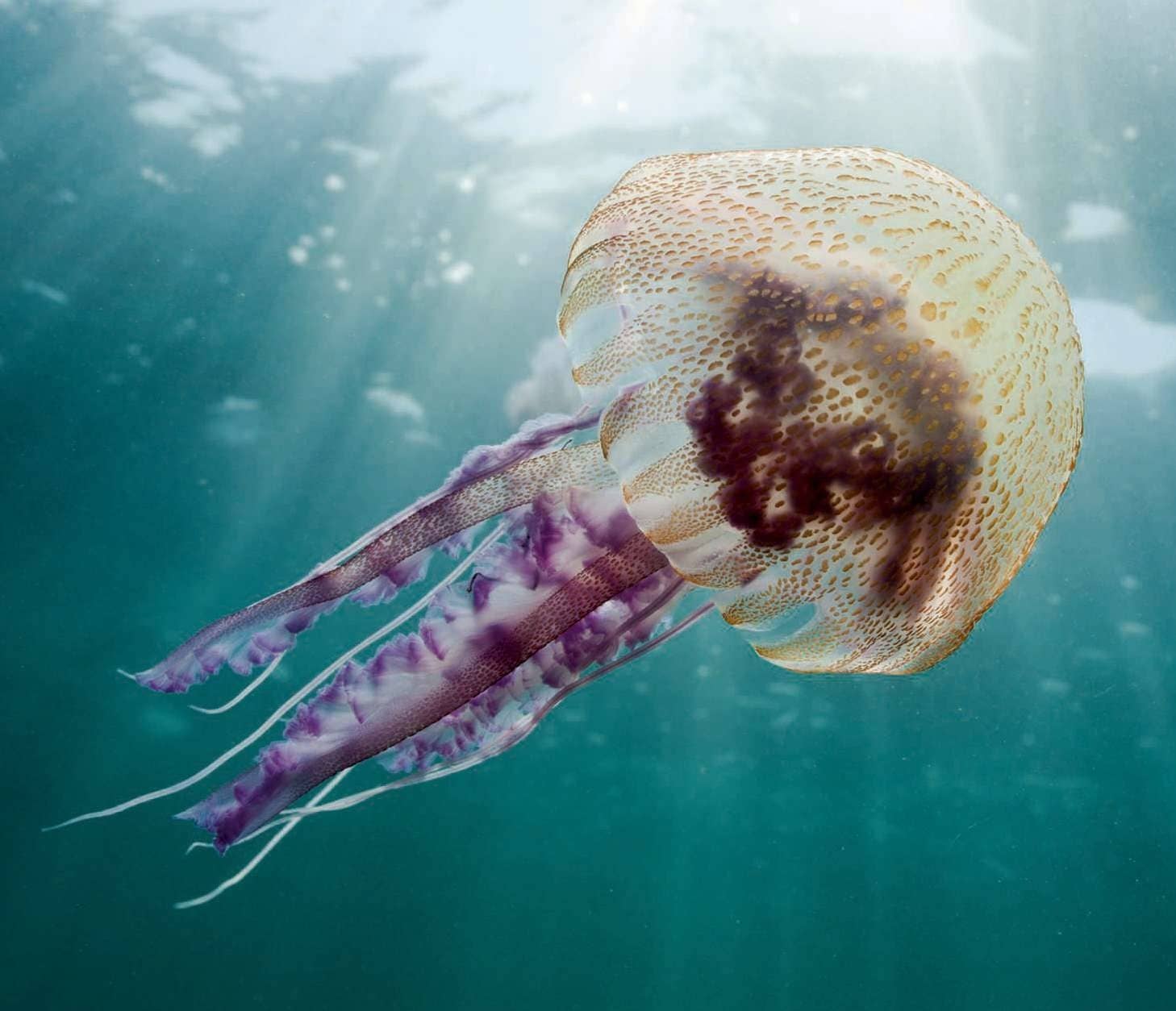
Wasps have a serious public relations problem. It’s only by considering why they (and bees) have evolved such formidable stings that we can begin to truly understand their nature, how they fit into the natural world, and why they need not be demonised.

यह कहानी BBC Wildlife के August 2019 संस्करण से ली गई है।
हजारों चुनिंदा प्रीमियम कहानियों और 10,000 से अधिक पत्रिकाओं और समाचार पत्रों तक पहुंचने के लिए मैगज़्टर गोल्ड की सदस्यता लें।
क्या आप पहले से ही ग्राहक हैं? साइन इन करें
BBC Wildlife से और कहानियाँ
BBC Wildlife
“Our canoe was nearly sunk by a hippo”
Hippos in Niger

3 mins
March 2026

BBC Wildlife
Why does Australia have such weird animals?
AUSTRALIA IS A LONG WAY FROM anywhere and has been for a very long time. The landmass definitively separated from the supercontinent of Gondwana around 40 million years ago and, since then, has existed - as a big blob in the middle of an even bigger ocean - in glorious geographical isolation.
2 mins
March 2026
BBC Wildlife
Which country has the fewest native animals?
AT AROUND 61KM² SAN MARINO, IN Europe, is one of the world's smallest countries. Entirely landlocked, it is surrounded by Italy.
1 min
March 2026

BBC Wildlife
Why do some species sunbathe?
RING-TAILED LEMURS ARE FAMED FOR their 'sun-worshipping' posture, legs and arms outstretched to reveal their pale bellies. Like humans, they do it to save energy and boost health. Sunlight is necessary to many bodily processes. As a source of vitamin D it's required to maintain bone and muscle health. It is also related to the production of serotonin, the chemical that regulates mood, sleep and stress response.
1 mins
March 2026
BBC Wildlife
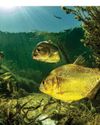
ALL YOU EVER NEEDED TO KNOW ABOUT THE Piranha
PIRANHAS HAVE A REPUTATION as some of the most dangerous freshwater hunters: terrifying predators capable of devouring a large mammal in mere minutes.
3 mins
March 2026
BBC Wildlife
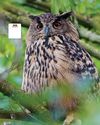
EAGLES LANDING
Eagle owls were once heavily persecuted. But thanks to a new initiative, these magnificent birds are reclaiming a wetland home
7 mins
March 2026
BBC Wildlife
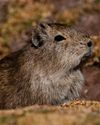
Do wild guinea pigs exist?
GUINEA PIGS, WHICH ARE NOT pigs and not from Guinea, are domesticated rodents that do not exist in the wild.
1 min
March 2026

BBC Wildlife
SNAP-CHAT: THE INSIDE WORLD OF WILDLIFE PHOTOGRAPHY
Boris Belchev on birds, batteries and battling bears with pop music
3 mins
March 2026
BBC Wildlife
Does anything live in the Bermuda Triangle?
THE BERMUDA TRIANGLE, IN THE NORTH Atlantic Ocean, has become infamous for the planes and ships that are said to have vanished without a trace while travelling through the area.
1 min
March 2026
BBC Wildlife
Do animals have different blood types?
HUMANS HAVE FOUR MAIN BLOOD GROUPS: A, B, AB and O.
1 min
March 2026
Translate
Change font size