Versuchen GOLD - Frei
The Science Of Stings
BBC Wildlife
|August 2019
What makes a slight skin prick, administered by a small flying insect, turn into a life-threatening emergency?

Every entomologist will have been asked: “What is the point of wasps?” But, really, the key biological question is: “What is the point of stings?” That is, why is it that some stings seem more acceptable to us than others? And why is it that some stings really, really hurt?
Wasps sting, but because wasps are, shall we say, ‘under-appreciated’, the sting in the tail has grown in the telling. Wasps are small insects, yet are exaggerated into monsters of phantasmagorical proportions. However, this is a fear based in ignorance. In reality, there are no such things as monsters.
Bees sting too but engender far less fear. Bumblebees are just too cuddly for words anyway, while honeybees are lauded for their earnest and diligent industry, and the production of that quasi-magical stuff called honey. Until recently, bees were also held up as a shining natural example of a social structure where food and shelter, community and safety were seen as the just rewards for a proletariat worker class overseen by a ruling aristocratic elite. Wasps, on the other hand, have been derided since the time of the Greek writer Plutarch, who suggested they were degenerate bees, unable or unwilling to keep up with the morally virtuous hive work ethic.
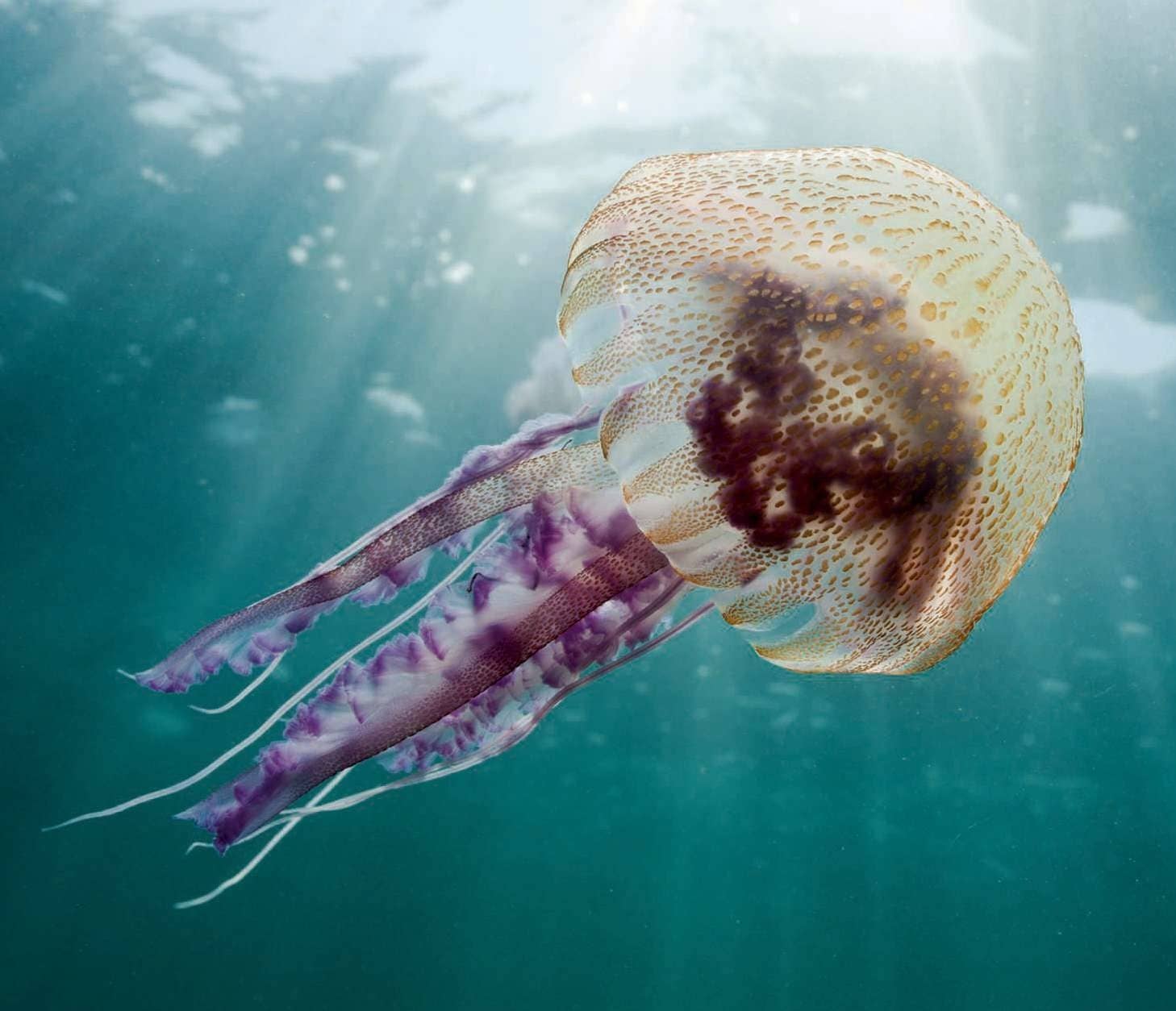
Wasps have a serious public relations problem. It’s only by considering why they (and bees) have evolved such formidable stings that we can begin to truly understand their nature, how they fit into the natural world, and why they need not be demonised.

Diese Geschichte stammt aus der August 2019-Ausgabe von BBC Wildlife.
Abonnieren Sie Magzter GOLD, um auf Tausende kuratierter Premium-Geschichten und über 9.000 Zeitschriften und Zeitungen zuzugreifen.
Sie sind bereits Abonnent? Anmelden
WEITERE GESCHICHTEN VON BBC Wildlife
BBC Wildlife
"I was terrified the elephant would ram us"
African elephant in Kenya

2 mins
January 2026
BBC Wildlife
ALL YOU EVER NEEDED TO KNOW ABOUT THE Fennec fox
THE FENNEC FOX IS THE SMALLEST fox in the world, with a body length that can be as little as 24cm.
3 mins
January 2026
BBC Wildlife
INTO THE PLASTISPHERE
A unique synthetic ecosystem is evolving in our oceans – welcome to the plastisphere
7 mins
January 2026
BBC Wildlife
“More than half of all animal life exists in a parasitic relationship, and all life lives in symbiosis”
Our survival depends on species evolving to live together - but some relationships take dark turns
7 mins
January 2026
BBC Wildlife
Are animals able to dream?
SLEEP IS A MYSTERIOUS THING. FOR A long time, we weren't sure why we do it.
1 mins
January 2026
BBC Wildlife
Does a cuckoo know it's a cuckoo?
ABSURD LITTLE BIRDS ACROSS THE world lay their eggs in the nests of other species, leaving the hapless parents to raise a changeling at the expense of their own offspring.
2 mins
January 2026
BBC Wildlife
Orcas killing young sharks
Juvenile great whites are easy prey for orca pod
1 mins
January 2026
BBC Wildlife
Ocean goes on tour
Acclaimed film touring the UK, backed by live orchestra and choir
1 min
January 2026
BBC Wildlife
Feisty bats hunt like lions
Winged mammals use a 'hang and wait' strategy to take down large prey
1 mins
January 2026

BBC Wildlife
SNAP-CHAT
Richard Birchett on magical merlins, wily coyotes and charging deer
2 mins
January 2026
Translate
Change font size