
मैगज़्टर गोल्ड के साथ असीमित हो जाओ
10,000 से अधिक पत्रिकाओं, समाचार पत्रों और प्रीमियम कहानियों तक असीमित पहुंच प्राप्त करें सिर्फ
HOW TO PHOTOGRAPH IN MACRO
BBC Wildlife
|Spring 2022
Smaller targets require more skill to shoot, but the results will often make a bigger splash
-
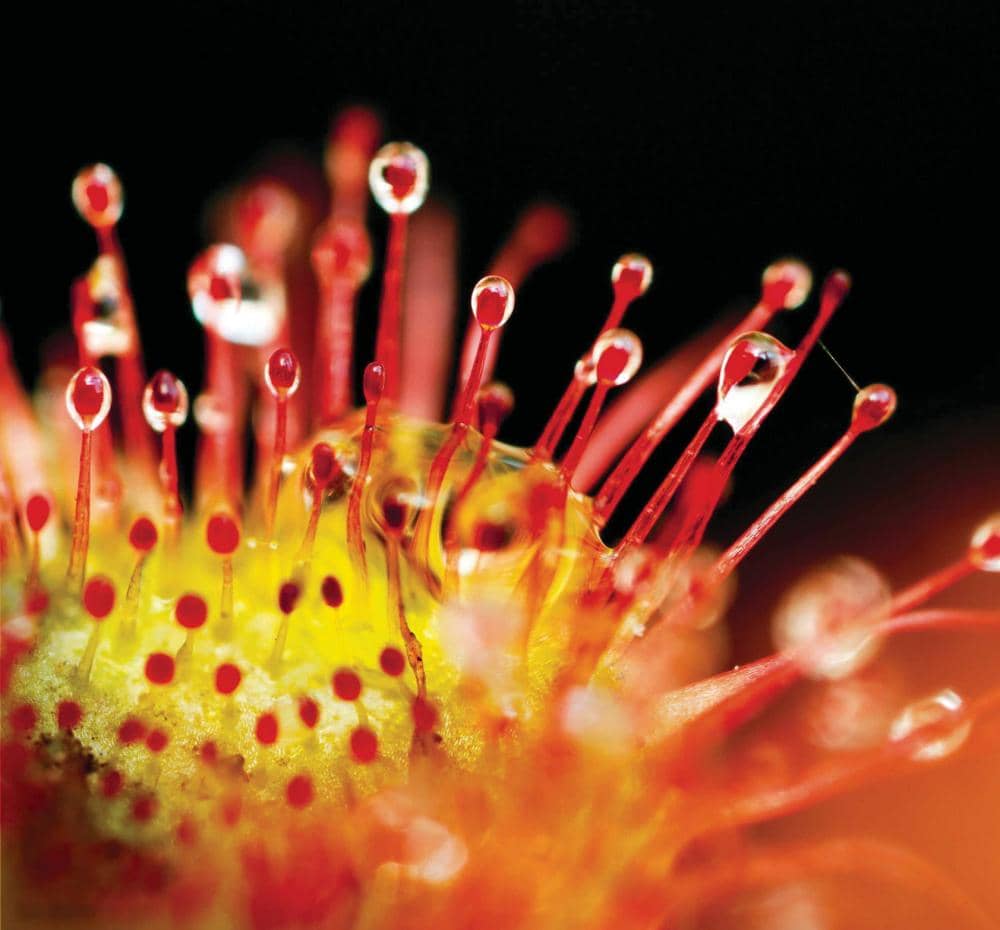
IT'S THE SMALL THINGS THAT ARE OFTEN the unsung heroes of the natural world - particularly insects and plants - and photography is a great way to provide them with some much-needed positive PR. Certainly, images of bees, spiders, butterflies, beetles and ants tend to get fewer 'likes' online. They also take a back seat in print sales to images of more charismatic megafauna. But there's a whole new world to discover when you decide to look into life in miniature. And while the shots may not always draw the same attention as those of large mammals, close-up photos of invertebrates and plants can be just as visually stunning, whether you're focussing on the compound eye of a damselfly or the intricate structure of a sundew.
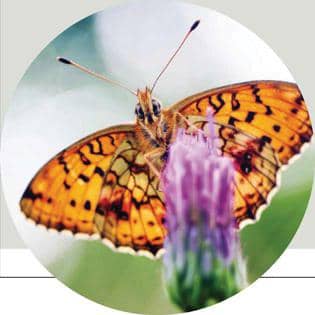
THREE TOP TIPS
USE FLASH Use flash to freeze the moment and illuminate your subject. To get the maximum depth of field, photographers use the highest possible F-number, which requires a slower shutter speed. A flash comes in handy in this situation, both for the extra light and to eliminate shake or movement of your subject. To make the light soft and uniform, use a diffuser.
TRY A TRIPOD A tripod will not only eliminate camera shake, but will also help you compose your frame if you're manually adjusting the focus.

यह कहानी BBC Wildlife के Spring 2022 संस्करण से ली गई है।
हजारों चुनिंदा प्रीमियम कहानियों और 10,000 से अधिक पत्रिकाओं और समाचार पत्रों तक पहुंचने के लिए मैगज़्टर गोल्ड की सदस्यता लें।
क्या आप पहले से ही ग्राहक हैं? साइन इन करें
BBC Wildlife से और कहानियाँ
BBC Wildlife
"I was terrified the elephant would ram us"
African elephant in Kenya

2 mins
January 2026
BBC Wildlife
ALL YOU EVER NEEDED TO KNOW ABOUT THE Fennec fox
THE FENNEC FOX IS THE SMALLEST fox in the world, with a body length that can be as little as 24cm.
3 mins
January 2026
BBC Wildlife
INTO THE PLASTISPHERE
A unique synthetic ecosystem is evolving in our oceans – welcome to the plastisphere
7 mins
January 2026
BBC Wildlife
“More than half of all animal life exists in a parasitic relationship, and all life lives in symbiosis”
Our survival depends on species evolving to live together - but some relationships take dark turns
7 mins
January 2026
BBC Wildlife
Are animals able to dream?
SLEEP IS A MYSTERIOUS THING. FOR A long time, we weren't sure why we do it.
1 mins
January 2026
BBC Wildlife
Does a cuckoo know it's a cuckoo?
ABSURD LITTLE BIRDS ACROSS THE world lay their eggs in the nests of other species, leaving the hapless parents to raise a changeling at the expense of their own offspring.
2 mins
January 2026
BBC Wildlife
Orcas killing young sharks
Juvenile great whites are easy prey for orca pod
1 mins
January 2026
BBC Wildlife
Ocean goes on tour
Acclaimed film touring the UK, backed by live orchestra and choir
1 min
January 2026
BBC Wildlife
Feisty bats hunt like lions
Winged mammals use a 'hang and wait' strategy to take down large prey
1 mins
January 2026
BBC Wildlife
SNAP-CHAT
Richard Birchett on magical merlins, wily coyotes and charging deer
2 mins
January 2026
Translate
Change font size