Versuchen GOLD - Frei
HOW TO PHOTOGRAPH IN MACRO
BBC Wildlife
|Spring 2022
Smaller targets require more skill to shoot, but the results will often make a bigger splash
-
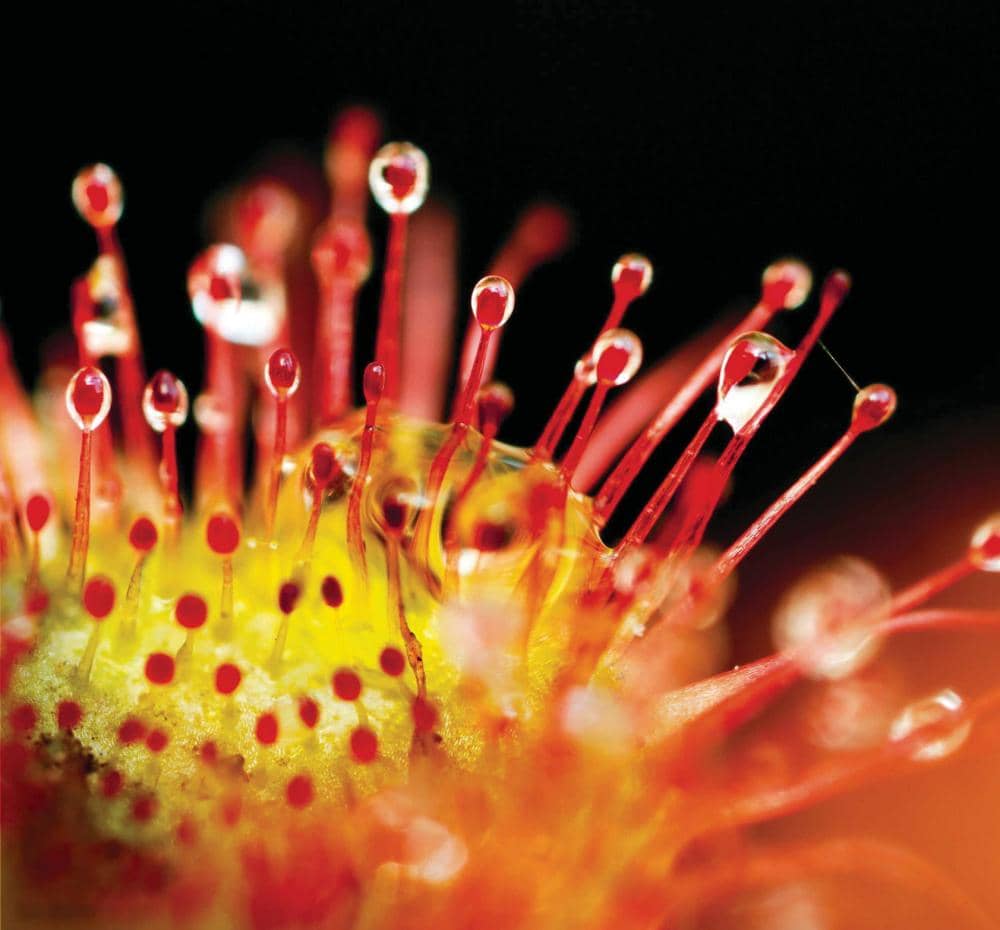
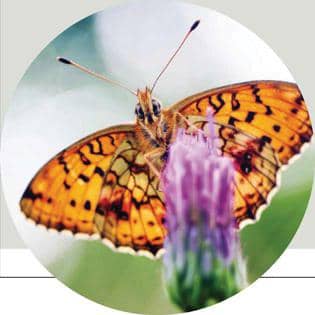
IT'S THE SMALL THINGS THAT ARE OFTEN the unsung heroes of the natural world - particularly insects and plants - and photography is a great way to provide them with some much-needed positive PR. Certainly, images of bees, spiders, butterflies, beetles and ants tend to get fewer 'likes' online. They also take a back seat in print sales to images of more charismatic megafauna. But there's a whole new world to discover when you decide to look into life in miniature. And while the shots may not always draw the same attention as those of large mammals, close-up photos of invertebrates and plants can be just as visually stunning, whether you're focussing on the compound eye of a damselfly or the intricate structure of a sundew.
THREE TOP TIPS
USE FLASH Use flash to freeze the moment and illuminate your subject. To get the maximum depth of field, photographers use the highest possible F-number, which requires a slower shutter speed. A flash comes in handy in this situation, both for the extra light and to eliminate shake or movement of your subject. To make the light soft and uniform, use a diffuser.
TRY A TRIPOD A tripod will not only eliminate camera shake, but will also help you compose your frame if you're manually adjusting the focus.

Diese Geschichte stammt aus der Spring 2022-Ausgabe von BBC Wildlife.
Abonnieren Sie Magzter GOLD, um auf Tausende kuratierter Premium-Geschichten und über 9.000 Zeitschriften und Zeitungen zuzugreifen.
Sie sind bereits Abonnent? Anmelden
WEITERE GESCHICHTEN VON BBC Wildlife
BBC Wildlife
“Our canoe was nearly sunk by a hippo”
Hippos in Niger

3 mins
March 2026

BBC Wildlife
Why does Australia have such weird animals?
AUSTRALIA IS A LONG WAY FROM anywhere and has been for a very long time. The landmass definitively separated from the supercontinent of Gondwana around 40 million years ago and, since then, has existed - as a big blob in the middle of an even bigger ocean - in glorious geographical isolation.
2 mins
March 2026
BBC Wildlife
Which country has the fewest native animals?
AT AROUND 61KM² SAN MARINO, IN Europe, is one of the world's smallest countries. Entirely landlocked, it is surrounded by Italy.
1 min
March 2026

BBC Wildlife
Why do some species sunbathe?
RING-TAILED LEMURS ARE FAMED FOR their 'sun-worshipping' posture, legs and arms outstretched to reveal their pale bellies. Like humans, they do it to save energy and boost health. Sunlight is necessary to many bodily processes. As a source of vitamin D it's required to maintain bone and muscle health. It is also related to the production of serotonin, the chemical that regulates mood, sleep and stress response.
1 mins
March 2026
BBC Wildlife
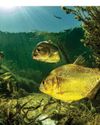
ALL YOU EVER NEEDED TO KNOW ABOUT THE Piranha
PIRANHAS HAVE A REPUTATION as some of the most dangerous freshwater hunters: terrifying predators capable of devouring a large mammal in mere minutes.
3 mins
March 2026
BBC Wildlife
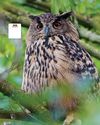
EAGLES LANDING
Eagle owls were once heavily persecuted. But thanks to a new initiative, these magnificent birds are reclaiming a wetland home
7 mins
March 2026
BBC Wildlife
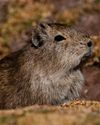
Do wild guinea pigs exist?
GUINEA PIGS, WHICH ARE NOT pigs and not from Guinea, are domesticated rodents that do not exist in the wild.
1 min
March 2026
BBC Wildlife
SNAP-CHAT: THE INSIDE WORLD OF WILDLIFE PHOTOGRAPHY
Boris Belchev on birds, batteries and battling bears with pop music
3 mins
March 2026
BBC Wildlife
Does anything live in the Bermuda Triangle?
THE BERMUDA TRIANGLE, IN THE NORTH Atlantic Ocean, has become infamous for the planes and ships that are said to have vanished without a trace while travelling through the area.
1 min
March 2026
BBC Wildlife
Do animals have different blood types?
HUMANS HAVE FOUR MAIN BLOOD GROUPS: A, B, AB and O.
1 min
March 2026
Translate
Change font size