Essayer OR - Gratuit
Reptiles - Colour changing... wall running...sun basking... long living...
The Week Junior Science+Nature UK
|December 2025
They're slithery, scaly and super-cool. Peter Fenech meets the animals with real-life superpowers.
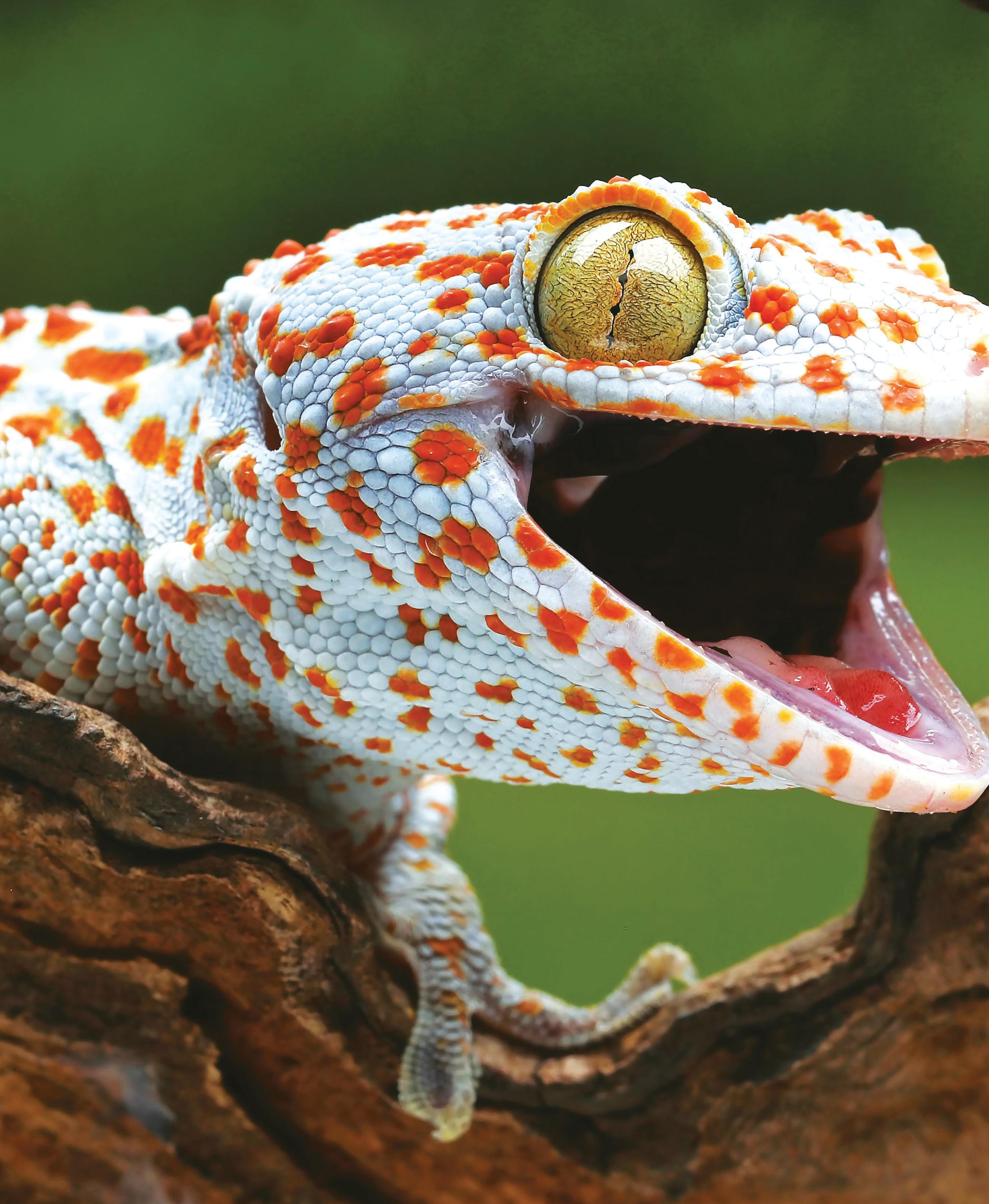
Forget Spider-Man, Ant-Man, or Captain Marvel, it's reptiles that are the true superheroes of the natural world. Did you know that some of these creatures' amazing superpowers include walking on water (check out the basilisk or "Jesus lizard"); becoming "invisible" (the New Zealand forest gecko); living for nearly two centuries (the Seychelles giant tortoise); or surviving a deep freeze (painted turtles)? It's clear that Captain America has nothing on these critters!
Almost anywhere in the world, you'll be able to find reptiles of all shapes and sizes. There are so many varieties that they keep biologists and marine scientists busy on virtually every continent except Antarctica. It would take a whole issue of The Week Junior Science+Nature to talk about them all, but let's set off on an epic journey across the planet to discover some of the fastest and largest – and sometimes scariest – characters you might find in the reptilian universe.
Coldblooded critters
So what are reptiles? If you find a scaly animal slithering through the grass or scampering up a wall, that has a long body, clawed feet and a forked tongue, it's probably a reptile. Most species also lay eggs, which keep the still-developing embryo (an unborn or unhatched animal) safe inside a shell.
You may have heard the term "coldblooded" used to describe reptiles, but what does this mean exactly? The scientific term is "ectothermic", which means that – unlike humans and other mammals – reptiles don't generate heat inside their bodies using energy Tokay gecko. from their food. Instead, they absorb heat energy radiated by the Sun, which is why you will often find lizards basking during the daytime. This sunbathing behaviour allows reptiles to go without food for longer, and it also explains why many are found in hotter climates. That's where we'll begin our journey, exploring the four main reptile groups.

Cette histoire est tirée de l'édition December 2025 de The Week Junior Science+Nature UK.
Abonnez-vous à Magzter GOLD pour accéder à des milliers d'histoires premium sélectionnées et à plus de 9 000 magazines et journaux.
Déjà abonné ? Se connecter
PLUS D'HISTOIRES DE The Week Junior Science+Nature UK
The Week Junior Science+Nature UK
ANIMAL ISLANDS
Hop aboard as Daisy Dobrijevic sets sail to discover the world's most unusual beasts.

5 mins
March 2026
The Week Junior Science+Nature UK
Wildlife watch
Take a walk on the wild side with Jenny Ackland.
1 mins
March 2026

The Week Junior Science+Nature UK
Pushmeet Kohli
Meet the tech genius who trains the smart computers that are changing your world.
3 mins
March 2026
The Week Junior Science+Nature UK
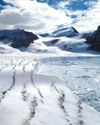
New map reveals secrets hidden under Antarctic ice
A new map of Antarctica has A revealed thousands of hills Are revealed thousands of hills and valleys buried under its thick layers of ice.
1 min
March 2026
The Week Junior Science+Nature UK
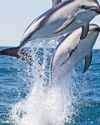
Why do dolphins jump out of the water?
Discover what makes these graceful ocean mammals leap for joy.
2 mins
March 2026
The Week Junior Science+Nature UK
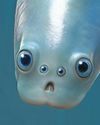
Ancient fish had four eves
Ancient vertebrates (animals that have backbones) had four eyes that worked a lot like ours, new research shows.
1 min
March 2026

The Week Junior Science+Nature UK
How? What? Why?
Set your curiosity free as Mike Rampton explains how asking questions changes the world.
5 mins
March 2026

The Week Junior Science+Nature UK
Bye-bye bitter grapefruits
Scientists have found a way to make grapefruits less bitter.
1 min
March 2026
The Week Junior Science+Nature UK
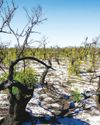
Spreading seeds of hope
Meet the scientists who are using drones to seed lost landscapes.
1 mins
March 2026
The Week Junior Science+Nature UK
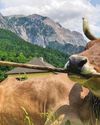
Udderly brilliant cow seen using tools
A talented Austrian cow has shecked researchers by using both ends of a broom as a grooming tool.
1 min
March 2026
Listen
Translate
Change font size