
Passez à l'illimité avec Magzter GOLD
Obtenez un accès illimité à plus de 9 000 magazines, journaux et articles Premium pour seulement
Essayer OR - Gratuit
Hunting killer asteroids
BBC Sky at Night Magazine
|June 2025
Earlier this year, an asteroid appeared to be on a collision course with Earth. Jenny Winder looks at how astronomers came to declare it a near- miss and how Earth can be defended from dangerous rocks from space
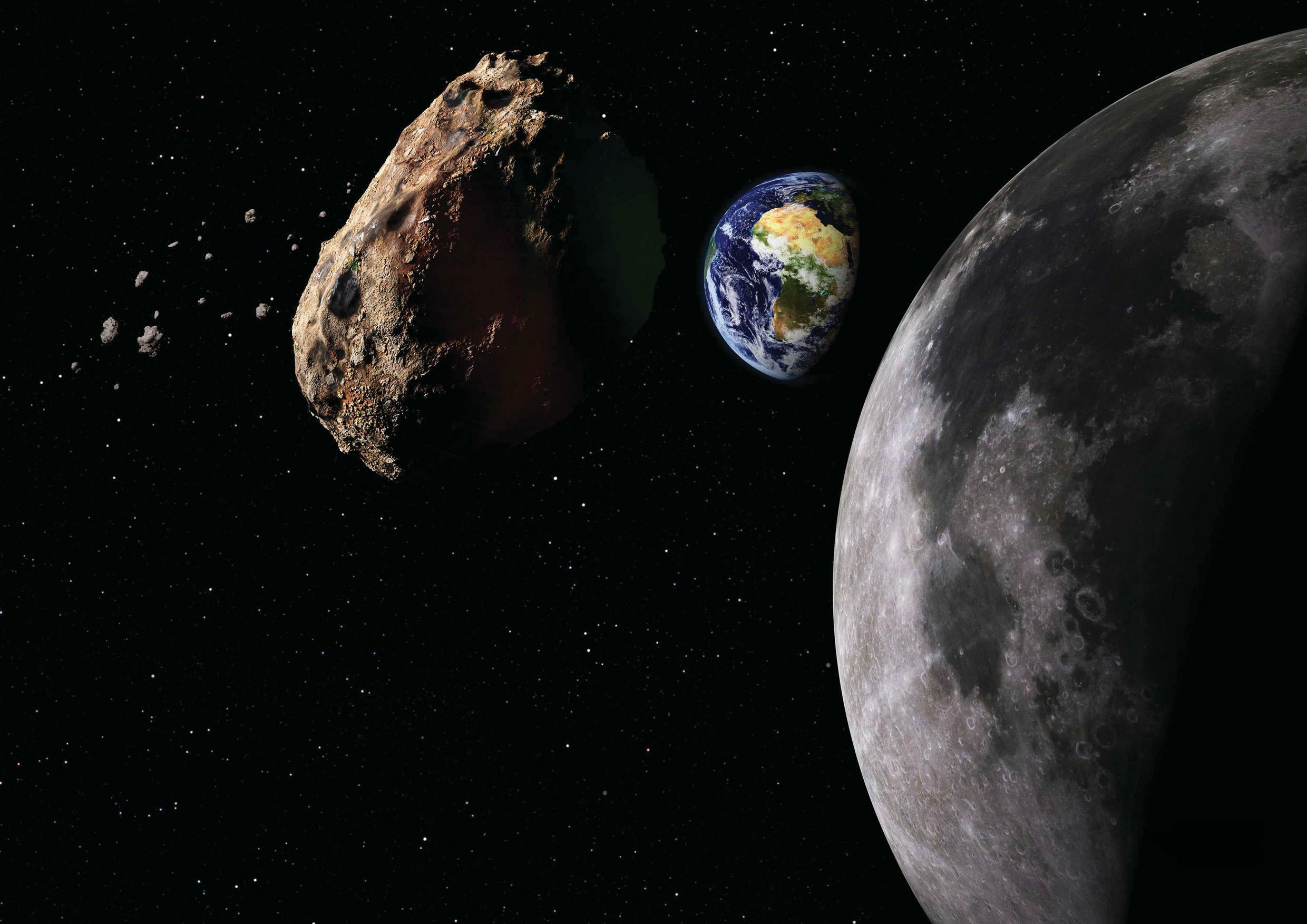
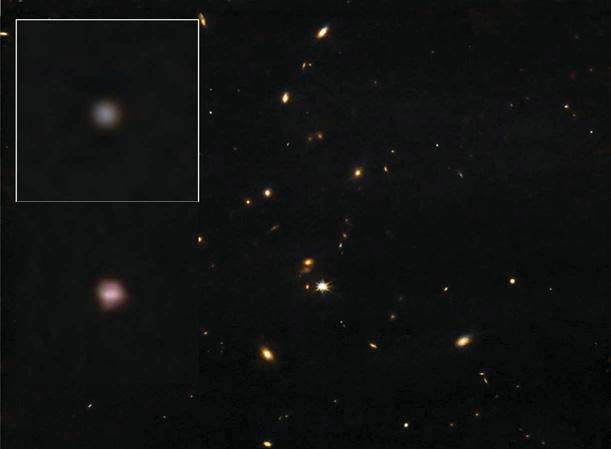
On 27 December 2024, the Asteroid Terrestrial-impact Last Alert System (ATLAS) telescope in Rio Hurtado in Chile discovered asteroid 2024 YR4 speeding past Earth. The detection could have been too late; only two days before, on Christmas Day, the asteroid had been just 828,800km (515,000 miles) from Earth. As astronomers plotted out the path of the asteroid, they realised Earth might not always be so lucky - there was a chance the asteroid could impact our planet in December 2032.
• Telescopes across the globe have been gathering data on YR4 ever since. Chief among these was the Nordic Optical Telescope in La Palma which analysed the asteroid's size, shape and rotation, as well as its motion and exact position. This helped to refine its current orbit and predict its future trajectory. By February 2025, calculations seemed to confirm that its highly elliptical orbit would have a 3 per cent chance of impact with Earth. In April, the James Webb Space Telescope observed YR4 and calculated that it is between 53 and 67 metres across (174-220ft). It has an estimated mass of 220 million kg (485 million lb) and rotates once every 19.5 minutes - relatively fast for an asteroid. Its magnitude changes by 0.42 as it rotates, indicating it probably has an elongated shape. It orbits Earth once every 3.99 years, meaning it will revisit Earth once more in 2028 before the 2032 pass that caused alarm.
While an asteroid this size isn't an extinction-level threat, it could cause severe damage at a local level. An asteroid of this size is expected to impact Earth every few thousand years and can cause devastation either by impacting Earth's surface or by exploding in our atmosphere.
 Warning from Chelyabinsk

Cette histoire est tirée de l'édition June 2025 de BBC Sky at Night Magazine.
Abonnez-vous à Magzter GOLD pour accéder à des milliers d'histoires premium sélectionnées et à plus de 9 000 magazines et journaux.
Déjà abonné ? Se connecter
PLUS D'HISTOIRES DE BBC Sky at Night Magazine
BBC Sky at Night Magazine
MOONWATCH
January's top lunar feature to observe

2 mins
January 2026
BBC Sky at Night Magazine
Speed up your processing workflow
How to use Photoshop's Actions tool to drastically cut your processing time
3 mins
January 2026
BBC Sky at Night Magazine
Chasing Canada's polar lights
With solar maximum peaking and a new Moon promising dark skies, Jamie Carter travels to Churchill, Manitoba to hunt the Northern Lights - and dodge polar bears – in Canada's far north
7 mins
January 2026
BBC Sky at Night Magazine
Beyond Pluto: The search for the hidden planets
Could one – or even two - undiscovered planets lurk at the edges of our Solar System? Nicky Jenner explores how close we are to finding the elusive 'Planet 9'
6 mins
January 2026
BBC Sky at Night Magazine
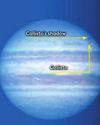
Jupiter moon events
Jupiter is a magnificent planet to observe.
2 mins
January 2026
BBC Sky at Night Magazine
What samples from space have taught us
Alastair Gunn explains what scientists have learnt in the 20 years since the first unmanned mission brought materials back from alien worlds
3 mins
January 2026
BBC Sky at Night Magazine
The Milky Way as you've never seen it before
This is the largest low-frequency radio colour image of our Galaxy ever assembled
1 min
January 2026
BBC Sky at Night Magazine
Merger of ‘impossibly' massive black holes explained
Scientists discover how enormous, fast-spinning black holes can exist after all
1 mins
January 2026
BBC Sky at Night Magazine
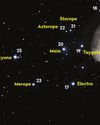
Lunar occultation of the Pleiades
BEST TIME TO SEE: 27 January from 20:30 UT
1 min
January 2026
BBC Sky at Night Magazine
The Universe's expansion may be slowing down
New study suggests current theories of dark energy could be wrong
1 mins
January 2026
Listen
Translate
Change font size