
Passez à l'illimité avec Magzter GOLD
Obtenez un accès illimité à plus de 9 000 magazines, journaux et articles Premium pour seulement
10 locations to make you fall in love with the Moon again
BBC Sky at Night Magazine
|August 2023
Rekindle your passion for the Moon with Stuart Atkinson's pick of the best lesser-known lunar locations you'll love

Every amateur astronomer starts off loving the Moon. They eagerly set up their telescopes in their garden, squint into the eyepiece and check what they can see against charts in books or magazines, looking for the 'celebrity' lunar features they've heard and read so much about. They whisper in the darkness as they make one discovery after another. "Ah... so that's Copernicus!" "That must be Tycho!" "Wow, they must be the Apennine Mountains." "Is that... yes, I think it is... the Sea of Tranquility!"
But after a while, the love affair between many new amateur astronomers and the Moon cools. They've seen all the 'good stuff' - the major craters, the most obvious mountain ranges, the ripples on the floors of the seas, and so on - and the Moon has begun to look, and feel, a bit 'samey'.
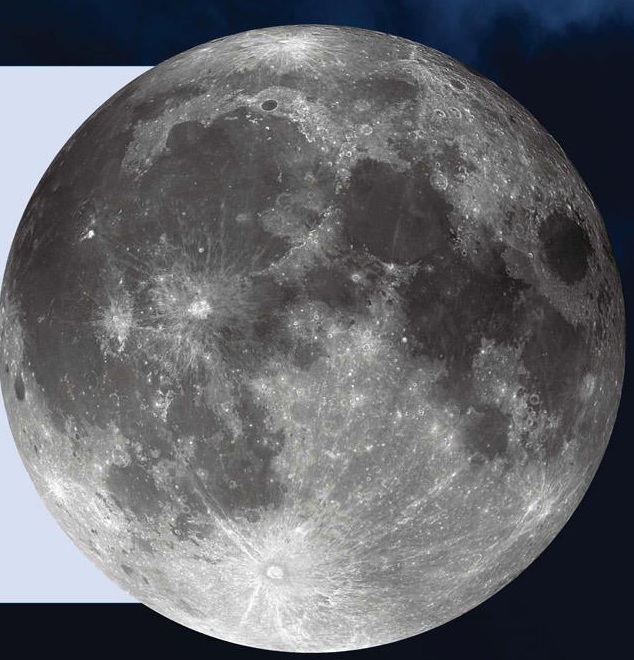
Frustrated with the inhibiting lunar glare, the astronomer begins to actually resent the Moon they had previously loved so much. They turn their back on it and avoid it as much as possible, only going out to observe the night sky when they know the Moon isn't going to be there.
But fear not. We're going to help those of you who have fallen out of love with the Moon to fall in love with it all over again by showing you 10 off-the-beaten-track lunar features you've perhaps never seen before, and nudging you back to a couple of better-known ones that deserve another look.
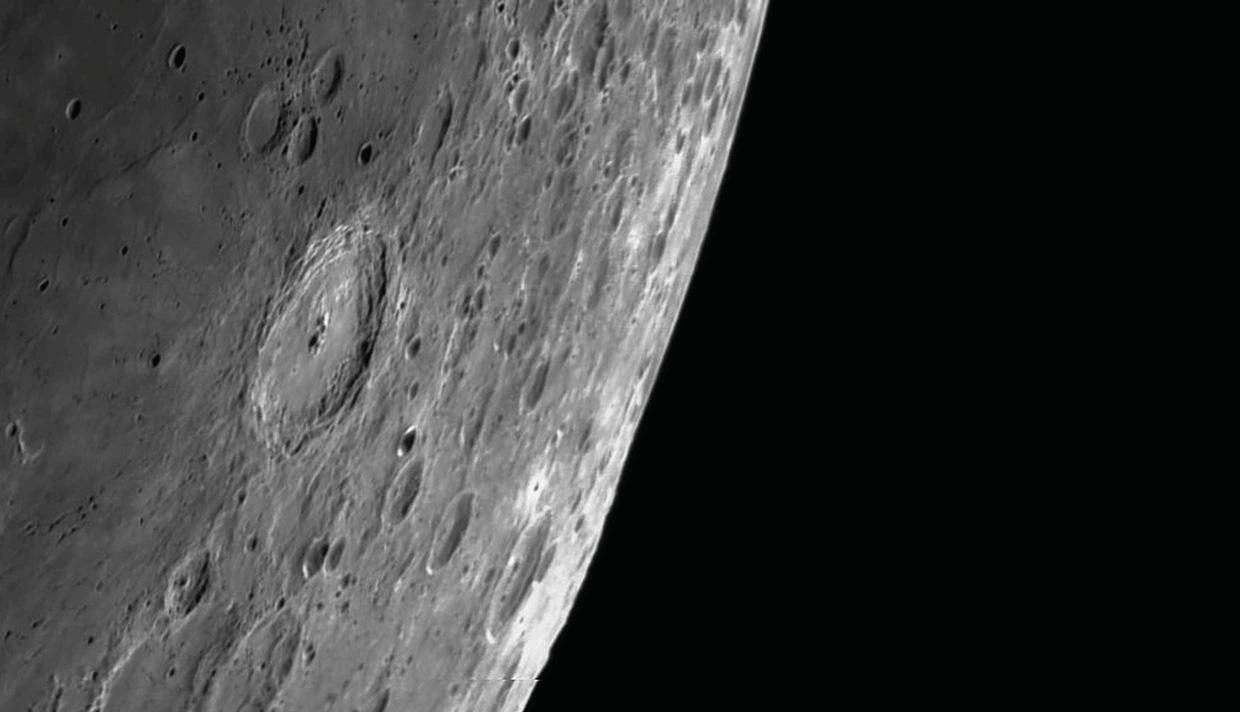
1. Langrenus
When the Moon is young, either a crescent a few days old or on the way towards first quarter, look towards its right-hand side through binoculars and you'll see a bright spot on the eastern edge of Mare Fecunditatis.

Cette histoire est tirée de l'édition August 2023 de BBC Sky at Night Magazine.
Abonnez-vous à Magzter GOLD pour accéder à des milliers d'histoires premium sélectionnées et à plus de 9 000 magazines et journaux.
Déjà abonné ? Se connecter
PLUS D'HISTOIRES DE BBC Sky at Night Magazine
BBC Sky at Night Magazine
MOONWATCH
January's top lunar feature to observe

2 mins
January 2026
BBC Sky at Night Magazine
Speed up your processing workflow
How to use Photoshop's Actions tool to drastically cut your processing time
3 mins
January 2026
BBC Sky at Night Magazine
Chasing Canada's polar lights
With solar maximum peaking and a new Moon promising dark skies, Jamie Carter travels to Churchill, Manitoba to hunt the Northern Lights - and dodge polar bears – in Canada's far north
7 mins
January 2026
BBC Sky at Night Magazine
Beyond Pluto: The search for the hidden planets
Could one – or even two - undiscovered planets lurk at the edges of our Solar System? Nicky Jenner explores how close we are to finding the elusive 'Planet 9'
6 mins
January 2026
BBC Sky at Night Magazine
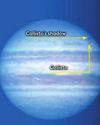
Jupiter moon events
Jupiter is a magnificent planet to observe.
2 mins
January 2026

BBC Sky at Night Magazine
What samples from space have taught us
Alastair Gunn explains what scientists have learnt in the 20 years since the first unmanned mission brought materials back from alien worlds
3 mins
January 2026
BBC Sky at Night Magazine
The Milky Way as you've never seen it before
This is the largest low-frequency radio colour image of our Galaxy ever assembled
1 min
January 2026
BBC Sky at Night Magazine
Merger of ‘impossibly' massive black holes explained
Scientists discover how enormous, fast-spinning black holes can exist after all
1 mins
January 2026
BBC Sky at Night Magazine
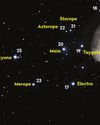
Lunar occultation of the Pleiades
BEST TIME TO SEE: 27 January from 20:30 UT
1 min
January 2026
BBC Sky at Night Magazine
The Universe's expansion may be slowing down
New study suggests current theories of dark energy could be wrong
1 mins
January 2026
Translate
Change font size