
Passez à l'illimité avec Magzter GOLD
Obtenez un accès illimité à plus de 9 000 magazines, journaux et articles Premium pour seulement
A dopamine detox does little for your brain chemistry
BBC Science Focus
|February 2025
Swearing off social media may well improve your mood, but probably not because it resets your dopamine levels

The internet is currently awash with articles, videos and podcasts promising to help you “reset your brain reward system” and rediscover the joy in life’s simple pleasures.” Lowering your current level of stimulation, they claim, will help you not only regain your ability to focus, but also become more productive.
The practice has come to be known as dopamine detoxing and, according to its advocates, the reason so many of us are easily distracted and apathetic is because of the over-availability of short-term rewards. Temptations such as social media, video games, junk food, online shopping, coffee and alcohol have burnt out our brains’ dopamine-based reward systems.
The near-constant buzz of these hits has depleted our dopamine levels, leaving us unable to focus on what matters or appreciate the finer things in life.
The basic idea behind a dopamine detox is to cut out all the quick and easy pleasures in our lives for a certain period of time — some detox programmes suggest starting with a single day, before building up to weeks at a time. This, supposedly, will help bring your dopamine back up to a healthier level.
Dopamine detox proponents are tapping into our collective anxiety that attention spans are shortening amid the constant lure of instant gratification, whether it’s bingeing on Netflix shows or playing games on our phones. As is often the case with these kinds of pop psychology fads, there’s a kernel of truth to the notion, but also a lot of oversimplification and, at times, a cartoon-like interpretation of neuroscience.
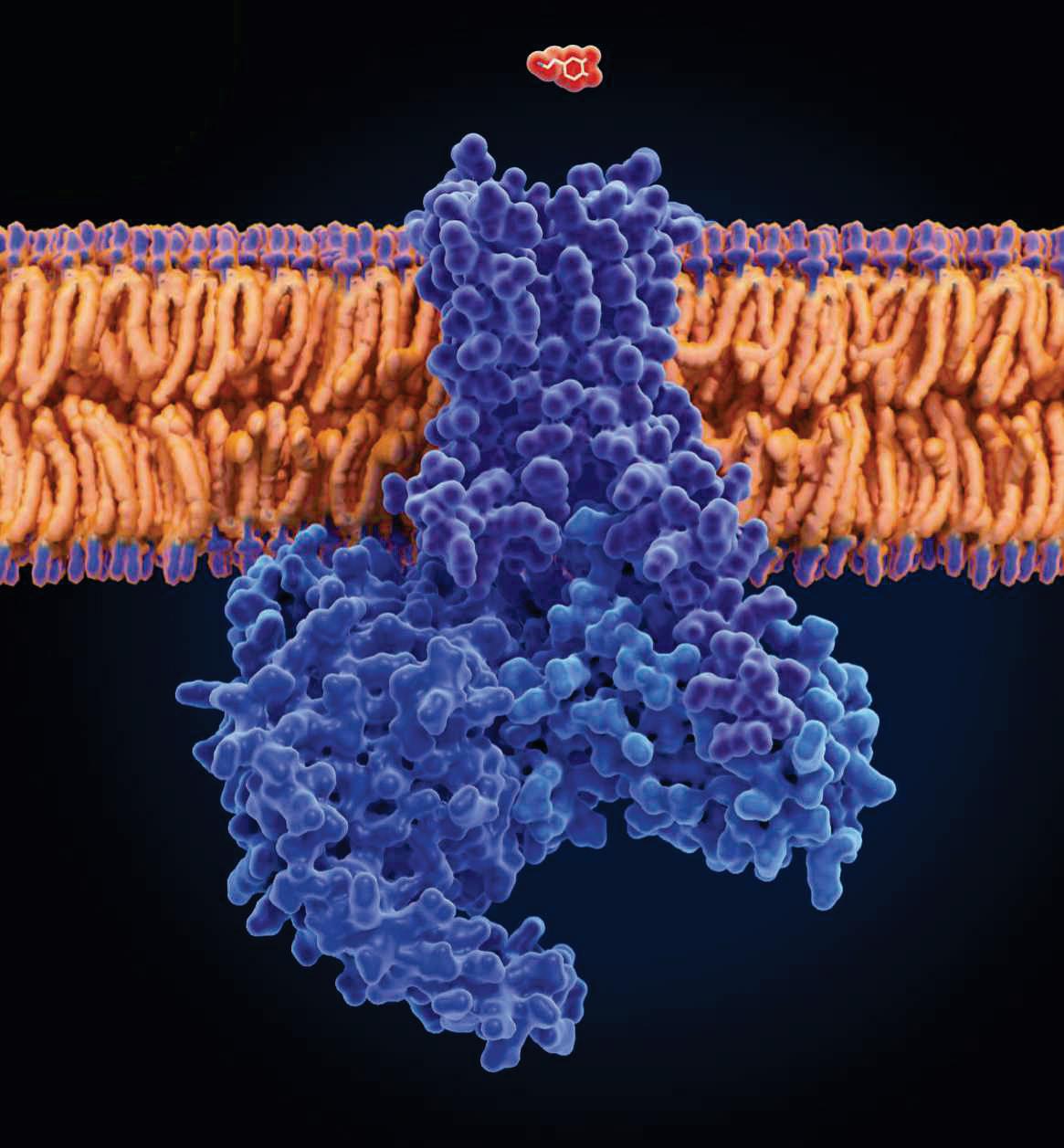
“The function of dopamine is complex and nuanced”
DOPAMINE’S DUTY

Cette histoire est tirée de l'édition February 2025 de BBC Science Focus.
Abonnez-vous à Magzter GOLD pour accéder à des milliers d'histoires premium sélectionnées et à plus de 9 000 magazines et journaux.
Déjà abonné ? Se connecter
PLUS D'HISTOIRES DE BBC Science Focus

BBC Science Focus
ARE PSYCHOPATHS REALLY THAT GOOD AT LYING?
Picture infamous psychopaths from fiction, such as the eerily cold and calculating Patrick Bateman in the film adaptation of American Psycho, and they certainly seem like master deceivers. But what about real-life psychopaths? Research confirms that psychopaths are more inclined to lie to get what they want, and that they typically display a striking fearlessness - as if they have ice running through their veins.

1 min
January 2026
BBC Science Focus
WHY DO WE HAVE TWO OF SOME ORGANS, BUT ONLY ONE OF OTHERS?
The majority of animals on Earth, humans included, are bilaterally symmetrical. It means we can be divided roughly into two mirror-image sides. Evolutionary biologists believe that it has been like that for at least 300 million years, and because life organised this way survived, so did symmetrical design. Hence, two eyes, two ears, two lungs and two kidneys.
1 min
January 2026

BBC Science Focus
WHY DO CATS PREFER TO SLEEP ON THEIR LEFT?
I've said it before, and I'll keep saying it again and again and again: who knows why cats do anything?
1 min
January 2026

BBC Science Focus
FORGET COUNTING CALORIES TRY THIS INSTEAD...
Calorie counting isn't just difficult, it's riddled with problems that make it practically useless for anyone trying to lose weight.But there are alternatives
9 mins
January 2026

BBC Science Focus
SIGNS OF LIFE
The more planets we find outside our Solar System, the better our chances are of finding life on one of them. But if there really is life out there, how do we spot it?
8 mins
January 2026
BBC Science Focus
WHAT ACTUALLY MAKES SOMEBODY COOL?
Most of us have probably wanted to be cool at some point in our lives, and these efforts can have a big influence on the things we buy, the way we dress, the hobbies we invest in, the people we look up to and even the words we use.
2 mins
January 2026

BBC Science Focus
It's TIME to WAKE UP and SMELL the roses
What if the pursuit of happiness in the traditional sense – chasing wealth or power – is the very thing stopping you from being happy? Researchers are beginning to understand that spending time enjoying the simple things might be the secret ingredient to enjoying a happy, healthy life
8 mins
January 2026

BBC Science Focus
THE AARDVARK
In a time when people are being asked to consider eating insects, we should, perhaps, learn a thing or two from the aardvark (Orycteropus afer), Africa’s ant-guzzling gourmand. On an average night, the big-schnozzed mammal devours up to 50,000 of the crunchy critters.
2 mins
January 2026

BBC Science Focus
ADD WEIGHT TO LOSE WEIGHT
A very basic kind of wearable could make your New-Year-weight-loss plans stick
3 mins
January 2026

BBC Science Focus
AHEAD OF THEIR TIME
The Maya civilisation is known for its art and architecture.
8 mins
January 2026
Listen
Translate
Change font size