Versuchen GOLD - Frei
A dopamine detox does little for your brain chemistry
BBC Science Focus
|February 2025
Swearing off social media may well improve your mood, but probably not because it resets your dopamine levels

The internet is currently awash with articles, videos and podcasts promising to help you “reset your brain reward system” and rediscover the joy in life’s simple pleasures.” Lowering your current level of stimulation, they claim, will help you not only regain your ability to focus, but also become more productive.
The practice has come to be known as dopamine detoxing and, according to its advocates, the reason so many of us are easily distracted and apathetic is because of the over-availability of short-term rewards. Temptations such as social media, video games, junk food, online shopping, coffee and alcohol have burnt out our brains’ dopamine-based reward systems.
The near-constant buzz of these hits has depleted our dopamine levels, leaving us unable to focus on what matters or appreciate the finer things in life.
The basic idea behind a dopamine detox is to cut out all the quick and easy pleasures in our lives for a certain period of time — some detox programmes suggest starting with a single day, before building up to weeks at a time. This, supposedly, will help bring your dopamine back up to a healthier level.
Dopamine detox proponents are tapping into our collective anxiety that attention spans are shortening amid the constant lure of instant gratification, whether it’s bingeing on Netflix shows or playing games on our phones. As is often the case with these kinds of pop psychology fads, there’s a kernel of truth to the notion, but also a lot of oversimplification and, at times, a cartoon-like interpretation of neuroscience.
“The function of dopamine is complex and nuanced”
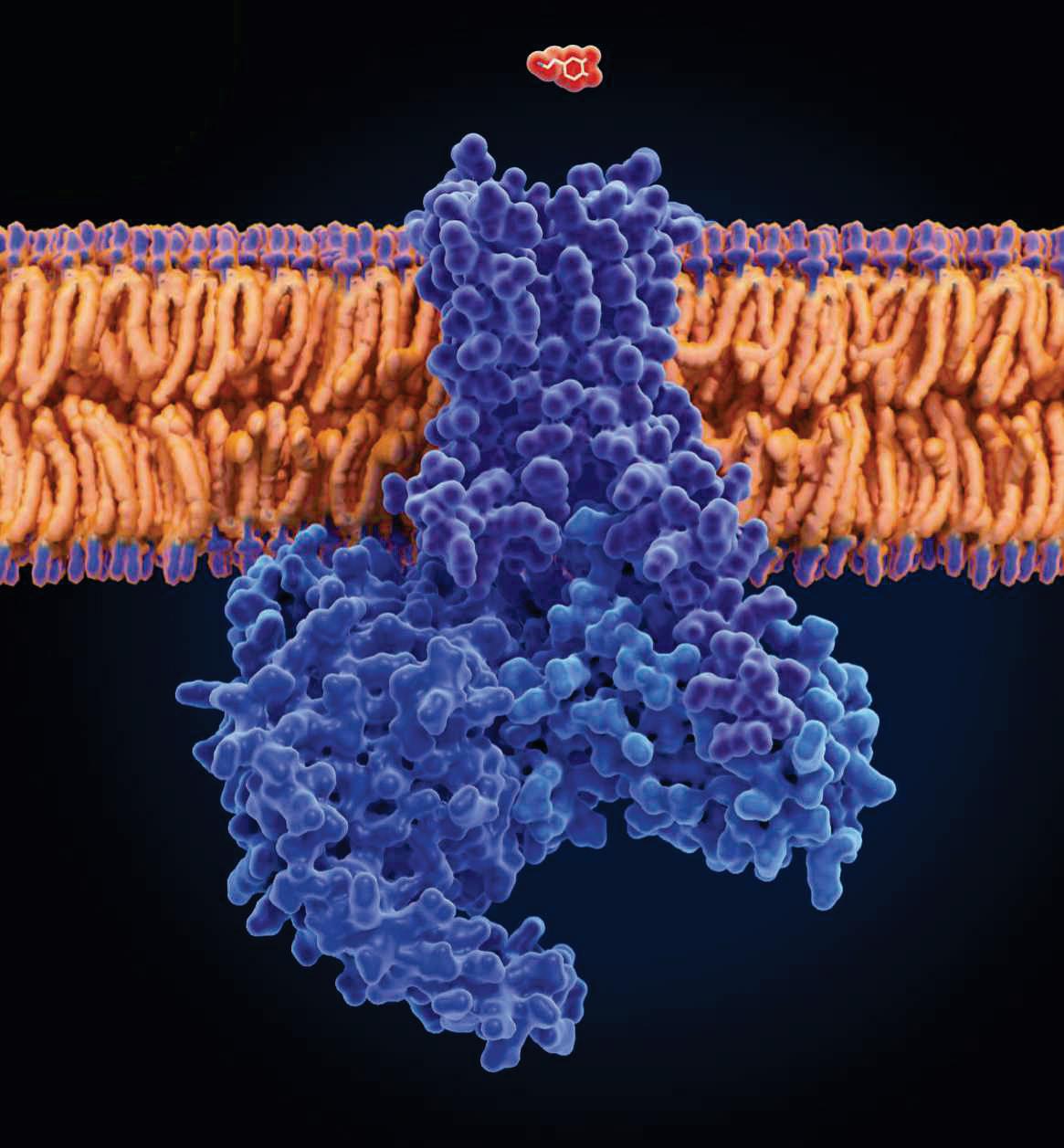
DOPAMINE’S DUTY

Diese Geschichte stammt aus der February 2025-Ausgabe von BBC Science Focus.
Abonnieren Sie Magzter GOLD, um auf Tausende kuratierter Premium-Geschichten und über 9.000 Zeitschriften und Zeitungen zuzugreifen.
Sie sind bereits Abonnent? Anmelden
WEITERE GESCHICHTEN VON BBC Science Focus

BBC Science Focus
HEALTH: Eating oats could lower your cholesterol in just two days
The health benefits of a two-day porridge diet lasted for weeks afterwards

1 mins
April 2026

BBC Science Focus
Most people are too sure they can identify fake human faces
Even 'super recognisers' struggle with the challenge. Can you do better?
1 min
April 2026

BBC Science Focus
WHAT'S THE WORST THING YOU CAN DO FOR THE PLANET ONLINE?
Human beings can barely move a muscle without some kind of deleterious effect on the environment around us.
2 mins
April 2026

BBC Science Focus
A bug in the system
The complex arrangement of equipment you see here is part of a particle accelerator.
1 min
April 2026

BBC Science Focus
Snug as a bug in a rug
At first glance, you might feel envious of this little leafhopper, swaddled beneath the folds of what appears to be a luxurious fur blanket.
1 min
April 2026

BBC Science Focus
WHY DO WE ROOT FOR THE VILLAIN IN MOVIES?
Whether it's Darth Vader or Cruella de Vil, we all have a favourite movie villain.
1 mins
April 2026

BBC Science Focus
A TURN TO DISPERSE
Why a fart walk after dinner does more than release your gas
3 mins
April 2026

BBC Science Focus
Hatching a nebula
Welcome to the Egg Nebula, an enigmatic structure formed by ejected stardust in the Cygnus constellation around 1,000 light-years from Earth.
1 min
April 2026

BBC Science Focus
7 TIMES AI GOT IT SPECTACULARLY WRONG
For the past four years, AI has been reshaping how we work and live. But its failures are proving just as transformative as its triumphs
8 mins
April 2026
BBC Science Focus
CHARLES ADCOCK, VIA EMAIL: COULD DARK MATTER BE ALL AROUND PLANET EARTH BUT UNDETECTABLE?
Astronomers have gathered overwhelming evidence that 80 per cent of all matter in the Universe is invisible.
1 min
April 2026
Listen
Translate
Change font size