Essayer OR - Gratuit
Zan, Zindagi, Azadi
Outlook
|July 11, 2025
As missiles fall silent—for now—it's time to explore whether the heart of the Iran-Israel conflict lies in a deeper battle over culture and values
FOR now, Israel and Iran have ceased military attacks against each other. Although the situation appears unstable, there's hope that a renewed “war of cities” will not afflict civilians. This is an opportunity to reflect on the reasons behind a conflict anticipated for years. Does the dispute stem from Iran’s nuclear programme? Would the conflict end if Iran did not possess the programme? Or should the roots of their disagreements be sought in other factors?
Evidently, the conflict between Israel and the countries of West Asia and North Africa is rooted more deeply in the identity foundations of these societies than in political and military issues. Since the end of World War II, struggles in the region have been over “territorial identity” rather than “lands”. As a symbol of Western civilisation in this part of the world, Israel has tried to carve out a place for itself. It has sometimes succeeded—through war or dialogue—in aligning certain governments with itself and rendering others indifferent, yet it has failed to find a stronghold among the peoples of various societies.
Iran’s society’s animosity towards this Western symbol dates back to the Pahlavi era. Despite the government's diplomatic relations with Israel, memoirs, for instance of the aristocrat Asadollah Alam, published in English as The Shah and I: The Confidential Diary of Iran’s Royal Court reveal how cautious the government was of public reactions to relations with Israel.
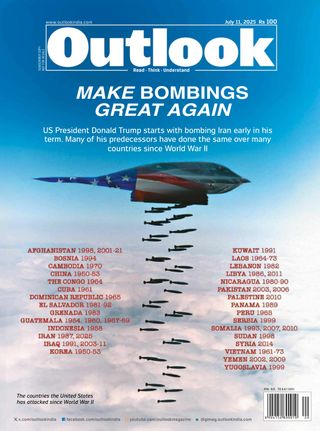

Cette histoire est tirée de l'édition July 11, 2025 de Outlook.
Abonnez-vous à Magzter GOLD pour accéder à des milliers d'histoires premium sélectionnées et à plus de 9 000 magazines et journaux.
Déjà abonné ? Se connecter
PLUS D'HISTOIRES DE Outlook

Outlook
The Big Blind Spot
Caste boundaries still shape social relations in Tamil Nadu-a state long rooted in self-respect politics

8 mins
December 11, 2025

Outlook
Jat Yamla Pagla Deewana
Dharmendra's tenderness revealed itself without any threats to his masculinity. He adapted himself throughout his 65-year-long career as both a product and creature of the times he lived through
5 mins
December 11, 2025

Outlook
Fairytale of a Fallow Land
Hope Bihar can once again be that impossibly noisy village in Phanishwar Nath Renu's Parti Parikatha-divided, yes, but still capable of insisting that rights are not favours and development is more than a slogan shouted from a stage
14 mins
December 11, 2025

Outlook
The Lesser Daughters of the Goddess
The Dravidian movement waged an ideological war against the devadasi system. As former devadasis lead a new wave of resistance, the practice is quietly sustained by caste, poverty, superstition and inherited ritual
2 mins
December 11, 2025

Outlook
The Meaning of Mariadhai
After a hundred years, what has happened to the idea of self-respect in contemporary Tamil society?
5 mins
December 11, 2025

Outlook
When the State is the Killer
The war on drugs continues to be a war on the poor
5 mins
December 11, 2025

Outlook
We Are Intellectuals
A senior law officer argued in the Supreme Court that \"intellectuals\" could be more dangerous than \"ground-level terrorists\"
5 mins
December 11, 2025

Outlook
An Equal Stage
The Dravidian Movement used novels, plays, films and even politics to spread its ideology
12 mins
December 11, 2025
Outlook
The Dignity in Self-Respect
How Periyar and the Self-Respect Movement took shape in Tamil Nadu and why the state has done better than the rest of the country on many social, civil and public parameters
5 mins
December 11, 2025

Outlook
When Sukumaar Met Elakkiya
Self-respect marriage remains a force of socio-political change even a century later
7 mins
December 11, 2025
Listen
Translate
Change font size