Essayer OR - Gratuit
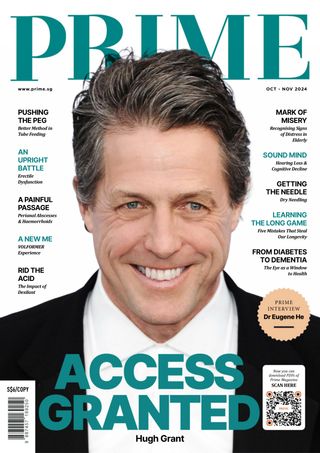
Mark of Misery
PRIME Singapore
|October - November 2024
Teaching Caregivers to Recognise Signs of Distress in Elderly Parents
-

As our parents age and transition into retirement, we may assume that they experience less stress in this particular life stage given the reduced responsibilities
and commitments. While research have shown that older adults may be better equipped to handle acute stress, they are also more vulnerable to physical health impacts that come with chronic stress. Some common factors that contribute to stress in elderly adults include cognitive impairment, a decline in overall physical health, caretaking responsibilities, problems in family relationships, dealing with grief and loss from seeing close friends and family pass on, less financial independence, and a lack of social support or sense of community.
These risk factors can affect an elderly adult on multiple levels. As caregivers, it is important to have an awareness of the signs of distress in our elderly parents so as to provide adequate and appropriate support. Understanding these signs and ensuring early detection can help seniors learn to recognise their emotional triggers and responses, as well as provide an opportunity to teach them mechanisms to cope with the effects of psychological stress.
It is important to note that going through difficult periods of life is a normal part of the human experience. Our body and mind do go into a fight-flight response as a way to protect ourselves from negative situations. However, if you notice your elderly parent experiencing several of these symptoms over a prolonged period of time, do not hesitate to discuss your concerns with the affected parent or a healthcare professional on the best steps to take moving forward.
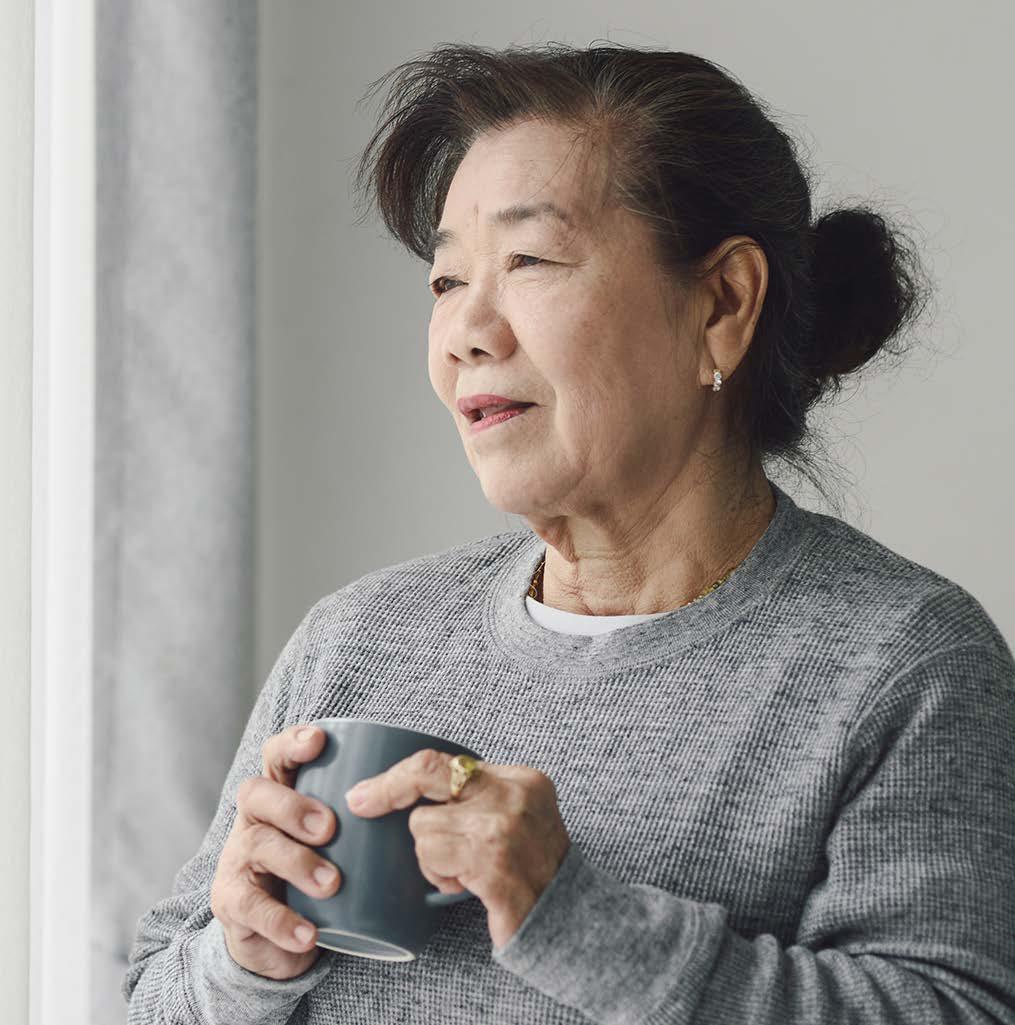 PHYSICAL SIGNS OF DISTRESS
 Some of the most common physical signs of distress displayed by the elderly are:

Cette histoire est tirée de l'édition October - November 2024 de PRIME Singapore.
Abonnez-vous à Magzter GOLD pour accéder à des milliers d'histoires premium sélectionnées et à plus de 9 000 magazines et journaux.
Déjà abonné ? Se connecter
PLUS D'HISTOIRES DE PRIME Singapore

PRIME Singapore
Sorry for My Scent
Understanding, Coping With, and Conquering Body Odour

8 mins
October - November 2025 Issue

PRIME Singapore
Hard to Please
Dealing with Difficult People
9 mins
October - November 2025 Issue
PRIME Singapore
Overtourism
When Travel Becomes Too Much of a Good Thing
10 mins
October - November 2025 Issue
PRIME Singapore
Almond & Rice Dessert Pudding with Chia Seeds
Beauty focus: Hydration, elasticity and cell renewal with folate and omega-3. Folate from SōngHè Plus supports new cell growth for youthful skin, while chia seed omega-3 nourishes skin from within and improves skin elasticity. Almond milk hydrates from within.
1 min
October - November 2025 Issue
PRIME Singapore
Healing Without Borders
Four Decades, One Vision: How Dr. David Tio's Osteopathic Treatment Centre Redefined Holistic Care in Singapore.
5 mins
October - November 2025 Issue
PRIME Singapore
Double Trouble
Preventing Colorectal and Liver Cancer in Singapore: Facts and Tips to Save Lives
5 mins
October - November 2025 Issue

PRIME Singapore
Still in the Game
The Best Sports for Life After 50
10 mins
October - November 2025 Issue

PRIME Singapore
LIGHT THERAPY CAN PREVENT DRY EYE AFTER CATARACT SURGERY
A new study published in Ophthalmology and Therapy has found that the administration of low-level light therapy before and after cataract surgery relieved symptoms of dry eye, a frequent complication of the procedure. This noninvasive treatment also enhanced the stability of the tear film and reduced the osmolarity of tear fluid, supporting its incorporation into routine perioperative care for patients undergoing cataract surgery.
2 mins
October - November 2025 Issue

PRIME Singapore
Glow with Confidence
How SōngHè Plus Rice Elevates Beauty From Within
2 mins
October - November 2025 Issue
PRIME Singapore
SCIENTISTS REVEAL BREAKTHROUGH BLOOD PRESSURE TREATMENT THAT WORKS WHEN OTHERS FAIL
Globally around 1.3 billion people have high blood pressure (hypertension), and in around half of cases, the condition is uncontrolled or treatment resistant. These individuals face a much greater risk of heart attack, stroke, kidney disease, and early death. In the UK, the number of people with hypertension is around 14 million.
2 mins
October - November 2025 Issue
Listen
Translate
Change font size