Essayer OR - Gratuit
Designs for life
BBC History UK
|August 2025
In the interwar era, artists and designers embraced a sleek modern style that embodied the optimism and elegance of the age. On the centenary of the Paris expo that launched Art Deco on the international stage, Emma Bastin explores its origins and lasting impacts
-
On a cold, wintry December day in 1935, the Duke and Duchess of York arrived in Bexhill-on-Sea to open a new public venue. Lining the route were well-wishers of all ages, from Brownies and Cubs to war veterans wearing campaign medals. By the time the royal couple reached their destination, the crowd numbered in their thousands; no doubt the duke and duchess found it difficult to fully appreciate the building.
With its unadorned cream walls, acres of glass and sleek lines, the De La Warr Pavilion did not so much proclaim its modernity but shout it out loud. The stylish façade hid a welded steel frame, the first of its kind in Britain. Inside were an auditorium seating 1,300, a restaurant and a library, all for “the common enjoyment of the people”. Quickly dubbed ‘The People’s Palace’, it was – and still is - an iconic embodiment of Art Deco style.
Art Deco - a shortened, anglicised version of arts décoratifs - was never referred to as such in its heyday in the 1920s and 30s. Like most art movements, it gained its name long after its popularity had waned. The first use of the term as we use it now was by art historian Bevis Hillier in 1968.
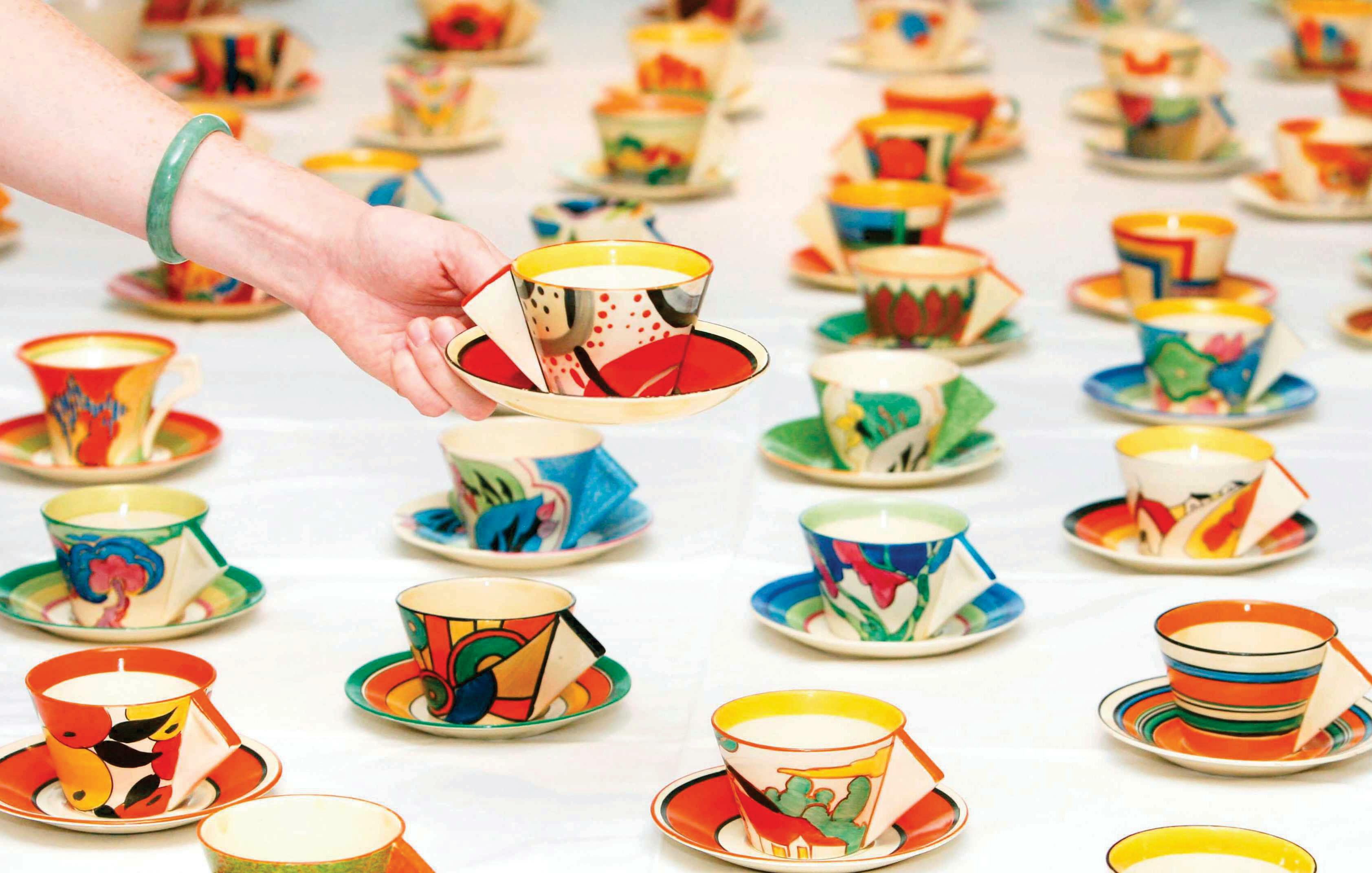
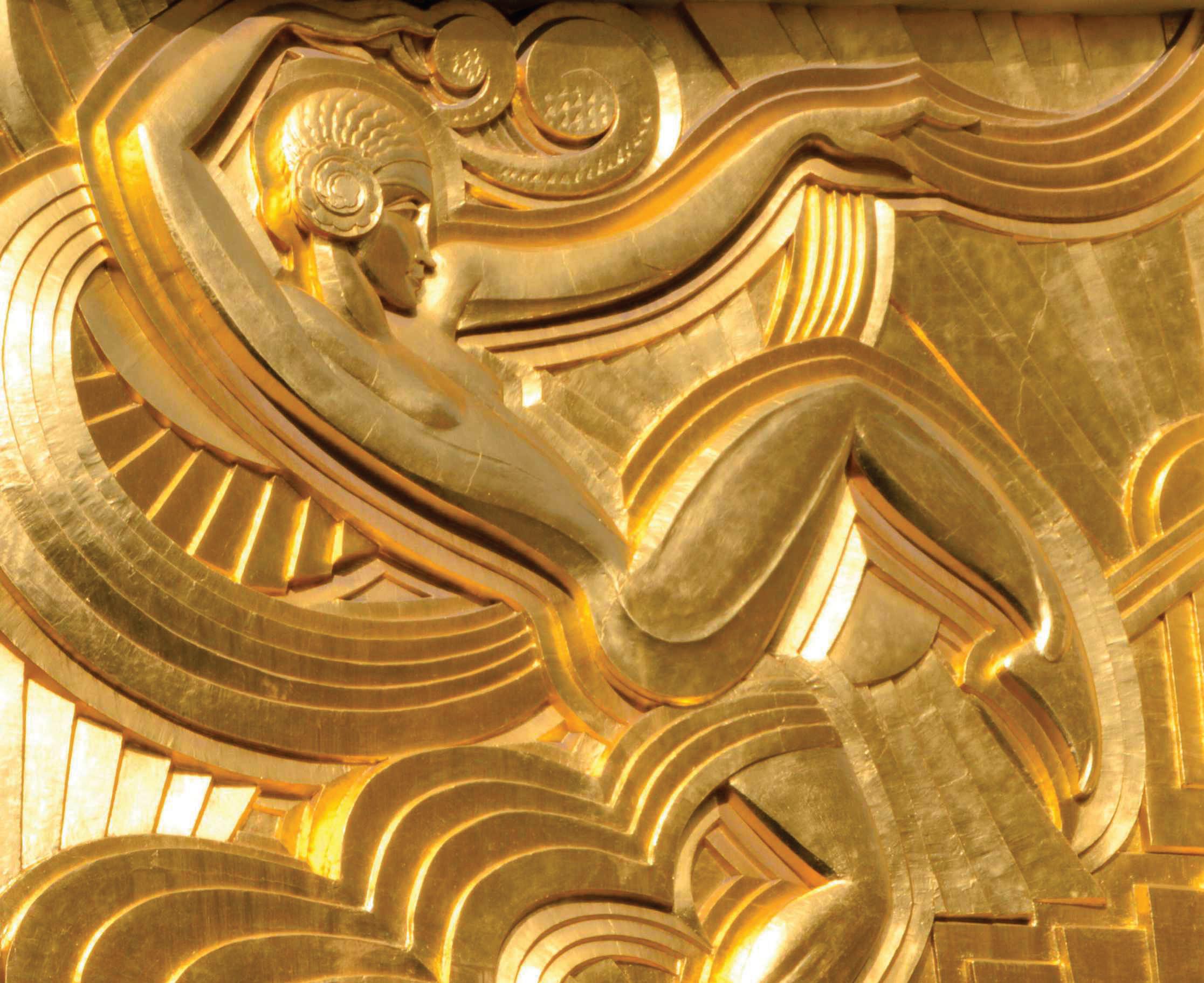 As with many other forms of art and design before and since, Art Deco was a response to the social, cultural and economic climate in which it emerged. It drew inspiration from a diverse range of sources, from ancient Egypt to the avant-garde, incorporating motifs from nature as well as concepts of mass-production using artificial materials.

Cette histoire est tirée de l'édition August 2025 de BBC History UK.
Abonnez-vous à Magzter GOLD pour accéder à des milliers d'histoires premium sélectionnées et à plus de 9 000 magazines et journaux.
Déjà abonné ? Se connecter
PLUS D'HISTOIRES DE BBC History UK

History Extra
Personal stories
Few shows have enjoyed the longevity of Who Do You Think You Are? and it's easy to understand why it has endured.

1 min
June 2026

History Extra
Tidal change
Southern mythos notwithstanding, there exists no static, exceptional American South.
1 mins
June 2026

History Extra
Marriage story
Emily Howes on her novel about Catherine Dickens' relationship with her famous husband
1 mins
June 2026
History Extra
Sexual her-story
A witty, wide-ranging account of the myths and power structures behind female sexuality impresses SARAH JONES
2 mins
June 2026

History Extra
History man
According to Tom Hanks, during his childhood 'The War' was a recurring topic in the conversations of the adults around him.
1 min
June 2026
History Extra
How to be a master of disguise
10 do's and don'ts when attending a masquerade
2 mins
June 2026
History Extra
Age of indulgence
Our content producer Charlotte Vosper picks episodes of the HistoryExtra podcast about Georgian Britain
1 min
June 2026
History Extra
Gaffer tape
While Bobby Robson and Gareth Southgate both led England to World Cup semi-finals, Alf Ramsey remains the only manager to actually win the trophy.
1 mins
June 2026

History Extra
What's the origin of the Fosbury Flop?
Like the Salchow in ice skating, the Fosbury Flop is a sport technique that immortalises the name of its creator.
1 min
June 2026

History Extra
EXHIBITIONS
In 1776, the United States of America was born - heralded by the Declaration of Independence.
1 min
June 2026
Listen
Translate
Change font size