
Passez à l'illimité avec Magzter GOLD
Obtenez un accès illimité à plus de 9 000 magazines, journaux et articles Premium pour seulement
Essayer OR - Gratuit
STRIKE MODE
BBC Wildlife
|March 2026
Powerful punches. Flesh-tearing teeth. Deadly talons. We explore the best (or is it the worst?) weapons in the natural world.
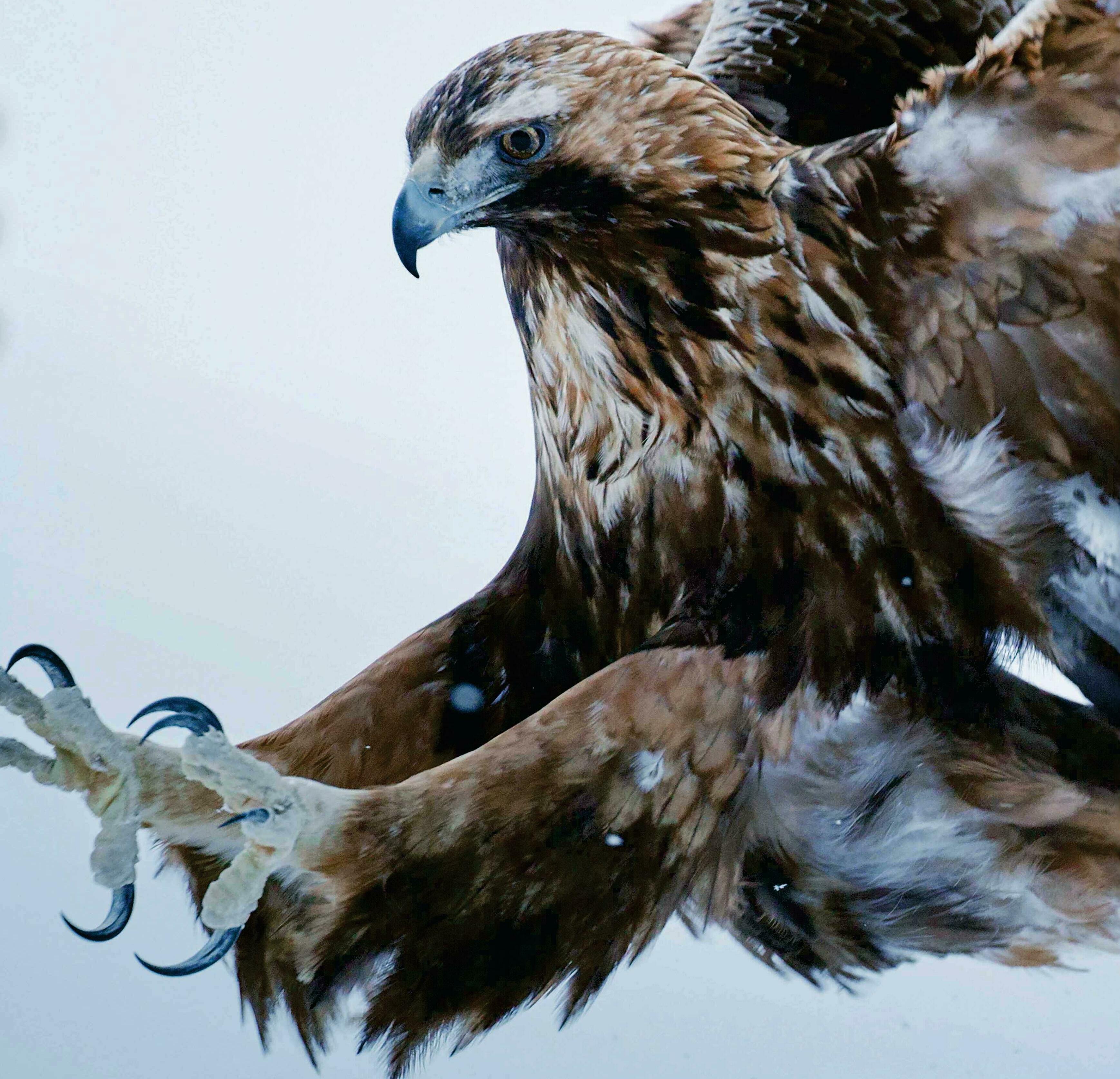
WHEN A PEACOCK mantis shrimp strikes, it generates the heat of a star.
The crustacean retracts a spring-loaded mouthpart known as a dactyl club and puts it on a latch, like a cowboy cocking the hammer of a gun. After pulling the trigger to release the stored elastic potential energy, the club moves like a bullet to reach speeds of up to 31m per second (around 111kph).
The punch is so fast that it lowers the surrounding pressure, causing water to boil and form steam-filled bubbles that suddenly implode by 'cavitation' - a pop of sound, flash of light and temperatures approaching 5,000°C, as hot as the surface of the sun. “Cavitation bubbles collapse and emit an intense burst of energy," explains Sheila Patek, a biologist at Duke University in North Carolina. The bubbles can damage metal if they form around boat propellers, but 'smasher' species of mantis shrimp exploit this force (more than 100 times their bodyweight) to crack open snails or other packaged food. "They evolved hammers and spring-latch mechanical systems to fracture hard-shelled prey with high accelerations," says Patek, whose research focuses on fast and powerful animal movements. "They can produce up to 1,500 Newtons (N) at impact."
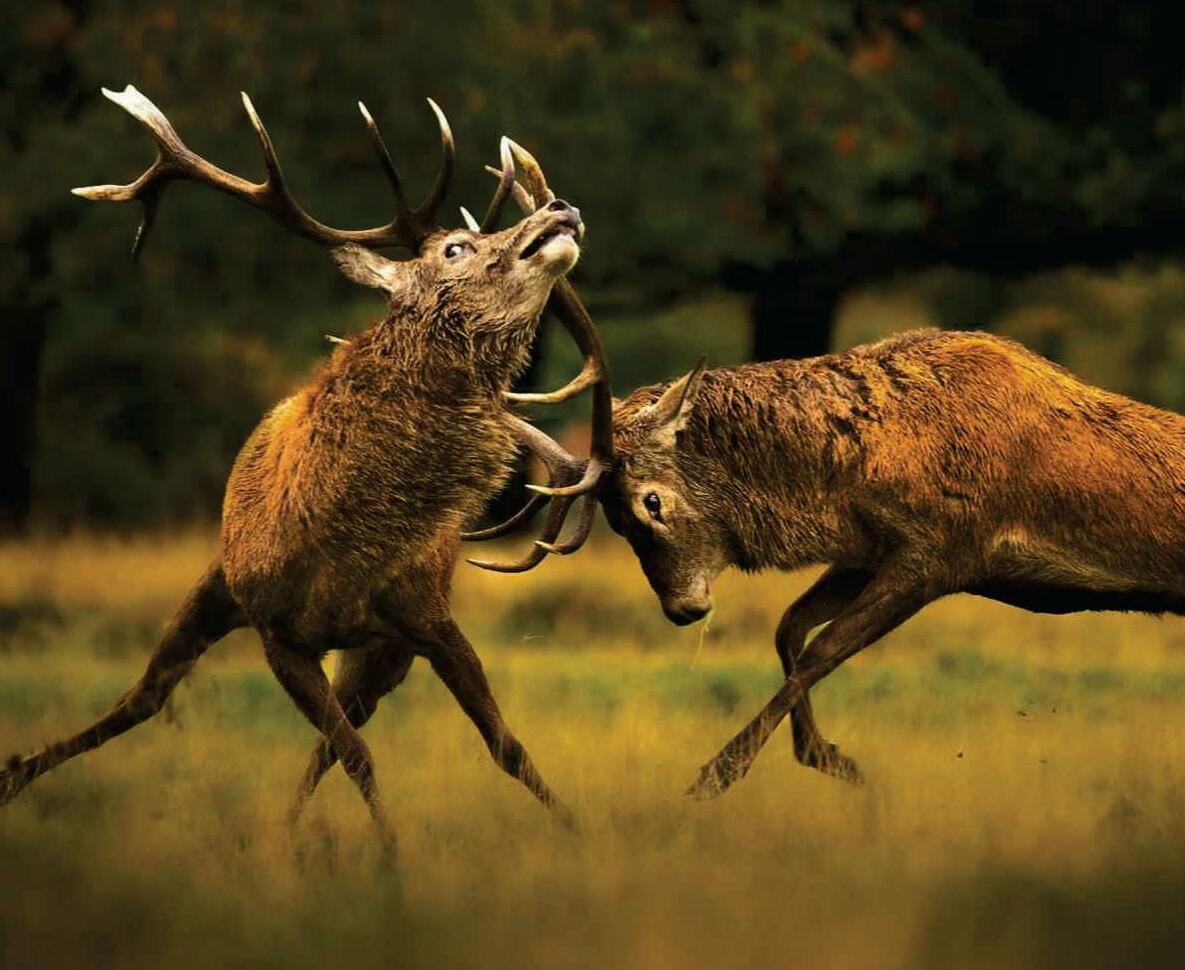 A peacock mantis shrimp's punch holds the record for fastest strike in the aquatic world but, on land, the title of fastest gun in the west goes to the Dracula ant. The ant's ultrafast mandibles can close at 90m per second (321kph) in 23 microseconds (more than 4,300 times faster than the blink of an eye) so the vampire can bite through an insect's exoskeleton and drink its blood. But while these tiny jaws are certainly terrific, they wouldn't terrify larger creatures.

Cette histoire est tirée de l'édition March 2026 de BBC Wildlife.
Abonnez-vous à Magzter GOLD pour accéder à des milliers d'histoires premium sélectionnées et à plus de 9 000 magazines et journaux.
Déjà abonné ? Se connecter
PLUS D'HISTOIRES DE BBC Wildlife
BBC Wildlife
Animal welfare
FURTHER TO EM GENOVESE'S LETTER (Your Letters, Spring 2026), I would like to signpost the charity Wild Welfare to readers.

2 mins
May 2026
BBC Wildlife
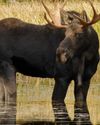
"The hooves pounded up the trail behind us"
Moose in Colorado
3 mins
May 2026
BBC Wildlife
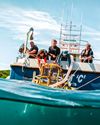
SEAGRASS SAVIOURS
Sometimes, saving the planet requires a bright idea, some practical know-how and a bit of tinkering
6 mins
May 2026
BBC Wildlife
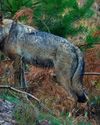
WALL TO WILD
After the fall of the Berlin Wall, reunified Germany became a new landscape not only for people, but for wildlife too 'M SITTING IN A FOREST IN Brandenburg, northeast Germany, looking over a large clearing.
7 mins
May 2026

BBC Wildlife
SNAP-CHAT
Samuel Bloch on wild horses, crazy capercaillies and sleeping on the job
2 mins
May 2026

BBC Wildlife
Old trees key to resilience
Study finds mature trees trump youthful ones
1 min
May 2026
BBC Wildlife
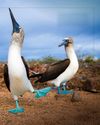
ONE STEP BEYOND
There's a lot more to these quirky seabirds than their eye-catching limbs
2 mins
May 2026
BBC Wildlife
RETURN OF A LEGEND
Once teetering on the very brink of extinction, the elusive Scottish wildcat is prowling the Highlands once more, thanks to a bit of help
7 mins
May 2026

BBC Wildlife
Urban scavengers help curb carbon
New study reveals the extent of emissions saved as city animals feast on food waste
2 mins
May 2026
BBC Wildlife
Merlin on the brink
The diminutive raptor is one of many species facing extinction in Britain, suggests new report
1 mins
May 2026
Listen
Translate
Change font size