يحاول ذهب - حر
STRIKE MODE
March 2026
|BBC Wildlife
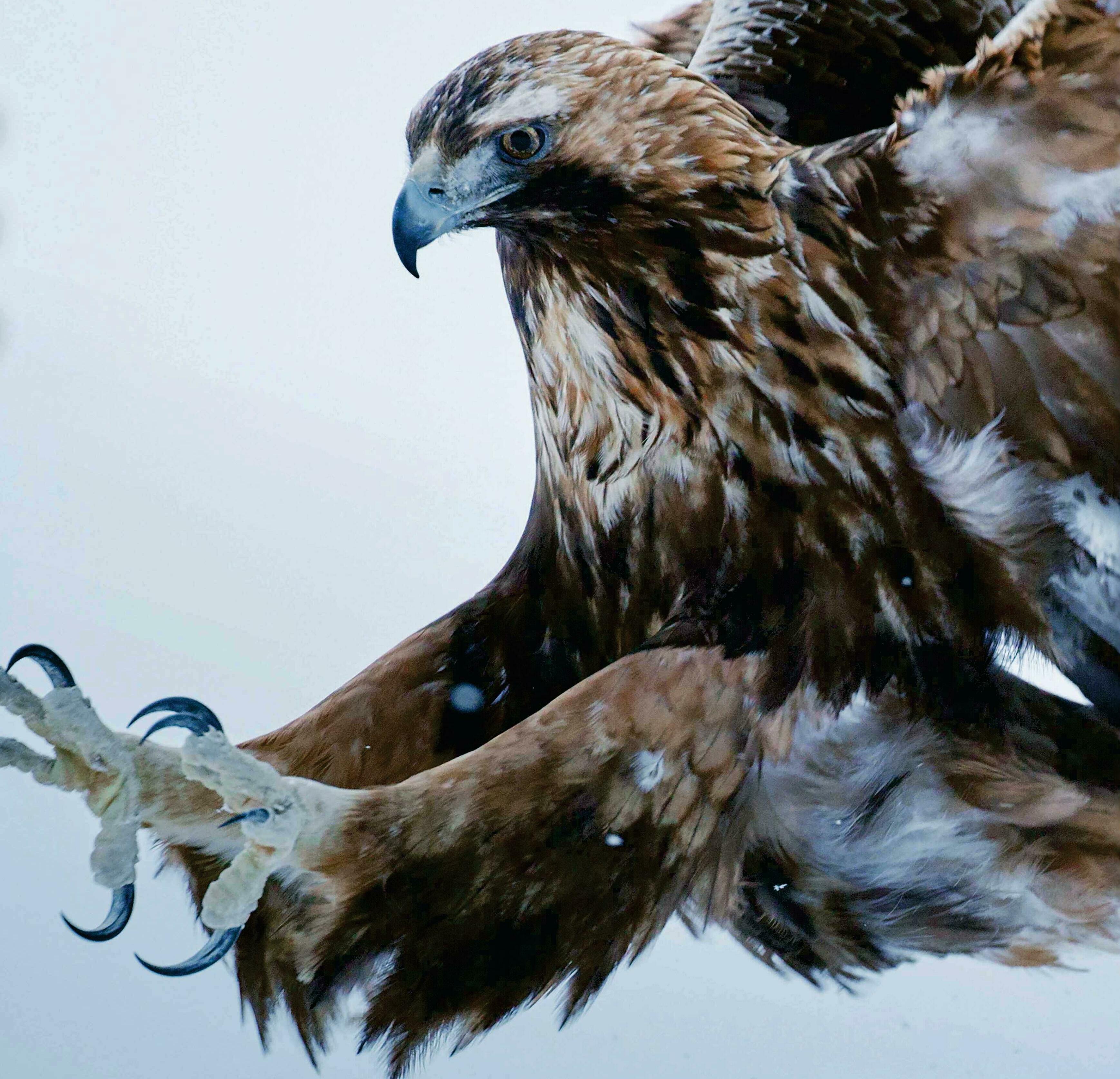
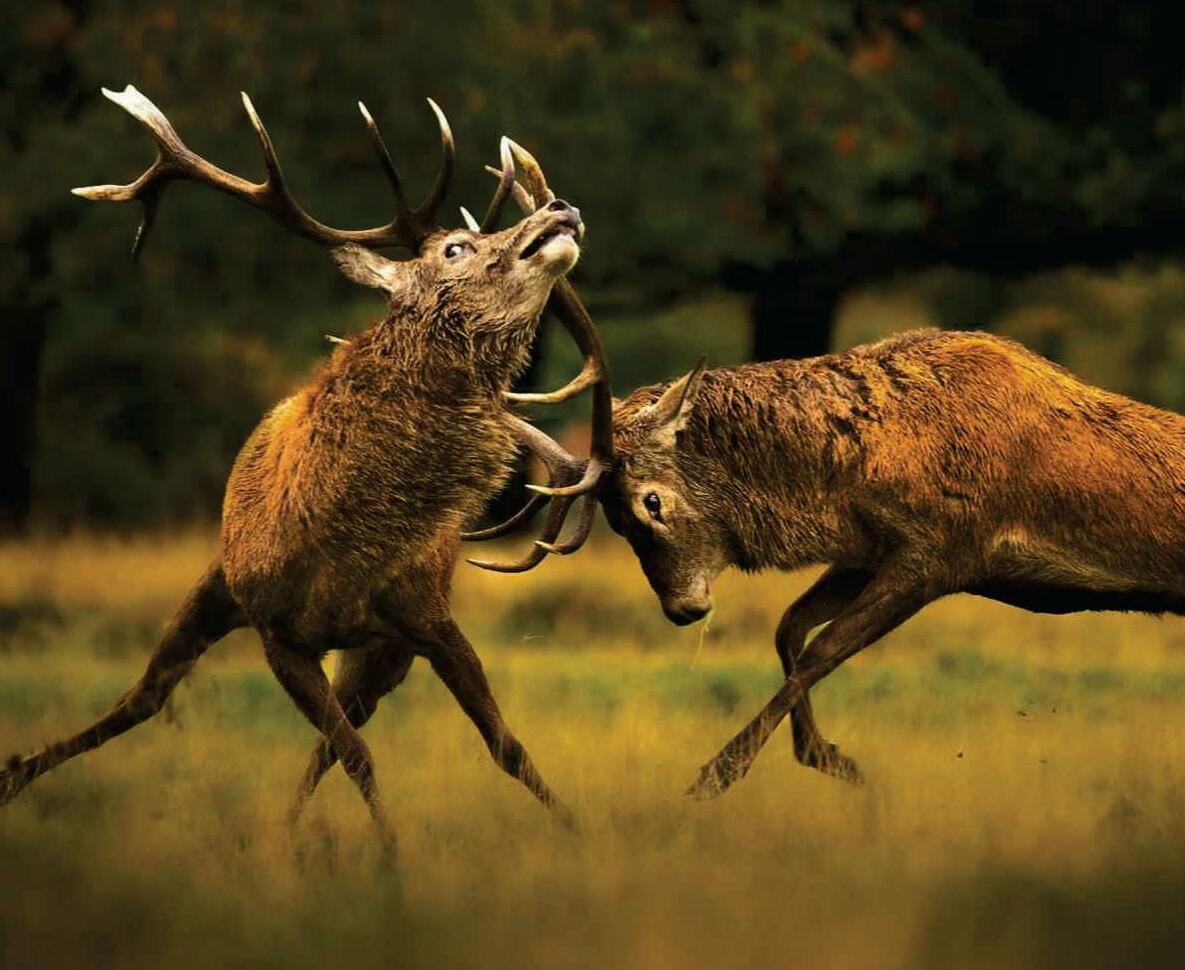
Powerful punches. Flesh-tearing teeth. Deadly talons. We explore the best (or is it the worst?) weapons in the natural world.
WHEN A PEACOCK mantis shrimp strikes, it generates the heat of a star.
The crustacean retracts a spring-loaded mouthpart known as a dactyl club and puts it on a latch, like a cowboy cocking the hammer of a gun. After pulling the trigger to release the stored elastic potential energy, the club moves like a bullet to reach speeds of up to 31m per second (around 111kph).
The punch is so fast that it lowers the surrounding pressure, causing water to boil and form steam-filled bubbles that suddenly implode by 'cavitation' - a pop of sound, flash of light and temperatures approaching 5,000°C, as hot as the surface of the sun. “Cavitation bubbles collapse and emit an intense burst of energy," explains Sheila Patek, a biologist at Duke University in North Carolina. The bubbles can damage metal if they form around boat propellers, but 'smasher' species of mantis shrimp exploit this force (more than 100 times their bodyweight) to crack open snails or other packaged food. "They evolved hammers and spring-latch mechanical systems to fracture hard-shelled prey with high accelerations," says Patek, whose research focuses on fast and powerful animal movements. "They can produce up to 1,500 Newtons (N) at impact."
 A peacock mantis shrimp's punch holds the record for fastest strike in the aquatic world but, on land, the title of fastest gun in the west goes to the Dracula ant. The ant's ultrafast mandibles can close at 90m per second (321kph) in 23 microseconds (more than 4,300 times faster than the blink of an eye) so the vampire can bite through an insect's exoskeleton and drink its blood. But while these tiny jaws are certainly terrific, they wouldn't terrify larger creatures.

هذه القصة من طبعة March 2026 من BBC Wildlife.
اشترك في Magzter GOLD للوصول إلى آلاف القصص المتميزة المنسقة، وأكثر من 9000 مجلة وصحيفة.
هل أنت مشترك بالفعل؟ تسجيل الدخول
المزيد من القصص من BBC Wildlife
BBC Wildlife
“Our canoe was nearly sunk by a hippo”
Hippos in Niger

3 mins
March 2026

BBC Wildlife
Why does Australia have such weird animals?
AUSTRALIA IS A LONG WAY FROM anywhere and has been for a very long time. The landmass definitively separated from the supercontinent of Gondwana around 40 million years ago and, since then, has existed - as a big blob in the middle of an even bigger ocean - in glorious geographical isolation.
2 mins
March 2026
BBC Wildlife
Which country has the fewest native animals?
AT AROUND 61KM² SAN MARINO, IN Europe, is one of the world's smallest countries. Entirely landlocked, it is surrounded by Italy.
1 min
March 2026

BBC Wildlife
Why do some species sunbathe?
RING-TAILED LEMURS ARE FAMED FOR their 'sun-worshipping' posture, legs and arms outstretched to reveal their pale bellies. Like humans, they do it to save energy and boost health. Sunlight is necessary to many bodily processes. As a source of vitamin D it's required to maintain bone and muscle health. It is also related to the production of serotonin, the chemical that regulates mood, sleep and stress response.
1 mins
March 2026
BBC Wildlife
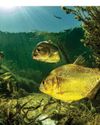
ALL YOU EVER NEEDED TO KNOW ABOUT THE Piranha
PIRANHAS HAVE A REPUTATION as some of the most dangerous freshwater hunters: terrifying predators capable of devouring a large mammal in mere minutes.
3 mins
March 2026
BBC Wildlife
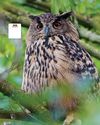
EAGLES LANDING
Eagle owls were once heavily persecuted. But thanks to a new initiative, these magnificent birds are reclaiming a wetland home
7 mins
March 2026
BBC Wildlife
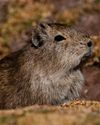
Do wild guinea pigs exist?
GUINEA PIGS, WHICH ARE NOT pigs and not from Guinea, are domesticated rodents that do not exist in the wild.
1 min
March 2026

BBC Wildlife
SNAP-CHAT: THE INSIDE WORLD OF WILDLIFE PHOTOGRAPHY
Boris Belchev on birds, batteries and battling bears with pop music
3 mins
March 2026
BBC Wildlife
Does anything live in the Bermuda Triangle?
THE BERMUDA TRIANGLE, IN THE NORTH Atlantic Ocean, has become infamous for the planes and ships that are said to have vanished without a trace while travelling through the area.
1 min
March 2026
BBC Wildlife
Do animals have different blood types?
HUMANS HAVE FOUR MAIN BLOOD GROUPS: A, B, AB and O.
1 min
March 2026
Listen
Translate
Change font size