Essayer OR - Gratuit
Unique Fund Aims To Generate 1 700 Jobs Over Three Years
Farmer's Weekly
|May 03, 2019
Hortfin was launched in October last year to create jobs and accelerate transformation in South Africa’s deciduous fruit, table grape and wine industries. Michael Brinkhuis, CEO of Hortfin, spoke to Glenneis Kriel about the fund and the progress it has made so far.
-

YOU JOINED HORTFIN AT THE BEGINNING OF THIS YEAR. WHAT DID YOU DO BEFORE THEN?
My father used to be a farmworker at a fruit tree nursery in Groot Drakenstein, so I basically grew up in the industry, working most of my school holidays on the farm. The experience gave me a passion for agriculture and also a yearning to empower people in the industry.
After school, I completed a horticultural diploma at what is now known as the Cape Peninsula University of Technology (CPUT), after which I upgraded to a BTech degree. I later obtained a master’s degree in agricultural systems management at Stellenbosch University while lecturing at CPUT.
Career-wise, I spent almost 10 years at Kaap Agri and another four-and-a-half years as the CEO of Casidra, which renders project management services to Western Cape government departments.
TELL US MORE ABOUT HORTFIN.
Hortfin is a R600-million, blended funding scheme initiated by the South African deciduous fruit industry with support from the Western Cape Department of Agriculture, and co-funded by National Treasury’s Jobs Fund and the Land Bank. It aims to provide innovative and comprehensive financing and support systems in a manner that promotes job creation, transformation and sustainability within the deciduous fruit, table grape and wine industries.
WHAT IS EACH PARTY’S CONTRIBUTION OR ROLE IN THE FUND?
Treasury gave R200 million via its Jobs Fund, matched by R300 million from the Land Bank and R100 million from the deciduous fruit, table grape and wine industries.
Hortfin, under leadership of a board of directors representing various stakeholders, will evaluate and approve projects, while the Land Bank will manage the loan book.
HOW DID THE FUND ORIGINATE?

Cette histoire est tirée de l'édition May 03, 2019 de Farmer's Weekly.
Abonnez-vous à Magzter GOLD pour accéder à des milliers d'histoires premium sélectionnées et à plus de 9 000 magazines et journaux.
Déjà abonné ? Se connecter
PLUS D'HISTOIRES DE Farmer's Weekly
Farmer's Weekly
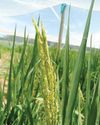
South Africa eyes home-grown rice as ARC expands research efforts
South Africa is taking bold steps toward reducing its dependence on rice imports by exploring the viability of home-grown upland rice. Through a major research drive led by the Agricultural Research Council's Small Grain division, scientists and industry partners are testing rice varieties capable of thriving in South Africa's diverse soils and increasingly water-scarce climate. Anelisa Gusha reports.

3 mins
January 16-23, 2026

Farmer's Weekly
Sweet prospects: the current state of litchi production in South Africa
Bram Snijder, agricultural consultant and chairperson of the South African Litchi Growers' Association, spoke to Octavia Avesca Spandiel about the litchi industry embracing new opportunities, tackling challenges, implementing innovation, and reaching markets both locally and internationally.
6 mins
January 16-23, 2026

Farmer's Weekly
How AFGRI uses technology to unlock farm finance from asset to market
As modern farming becomes more capital-intensive and digitally driven, AFGRI is reinventing agricultural finance by linking technology directly to lending decisions.
5 mins
January 16-23, 2026

Farmer's Weekly
Adele's Mohair: a living tapestry of craft, colour and rural heritage
Octavia Avesca Spandiel spoke to Adele Cutten, founder of Adele's Mohair, to explore how a small spinning experiment grew into a thriving rural craft enterprise rooted in South Africa's rich mohair heritage.
6 mins
January 16-23, 2026

Farmer's Weekly
How Merino farmers are battling predation, disease and rising costs
Whether you are a stud breeder or commercial Merino farmer, environmental, operational, and infrastructural challenges have an equal impact on a farming operation. The aim of any livestock farmer, whether stud or commercial, is to keep losses at a minimum, and although farmers are facing many challenges, they implement various strategies to ensure both the survival and financial security or profitability of farming operations.
9 mins
January 16-23, 2026
Farmer's Weekly
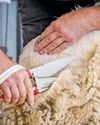
The future of SA wool: refined infrastructure and wool traceability
As the agriculture sector starts to adapt to the fast-paced development of technology, producers and processors need to decide what to implement and what to avoid. Henning Naudé spoke to Izak Klopper, manager of shearer training at the National Wool Growers' Association, about how shearing has changed, and what the industry can expect from new research and development from international markets.
5 mins
January 16-23, 2026
Farmer's Weekly
Cannabis and marketing in South Africa
The path from cultivation to commercial success remains complicated by regulatory ambiguity. Cultivators who master compliant marketing while delivering verifiable quality will build sustainable businesses, says Thomas Walker.
2 mins
January 16-23, 2026

Farmer's Weekly
Profitability from on-farm horses in difficult economic times
Integrating horse ownership for schoolchildren and holding shows or outrides can increase farm profitability, says Dr Mac.
2 mins
January 16-23, 2026
Farmer's Weekly
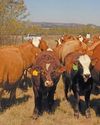
Foot-and-mouth disease project targets waste reduction and regulatory reform
A groundbreaking research collaboration between Red Meat Industry Services, the University of Pretoria, and global animal health leader Zoetis is aiming to transform South Africa's approach to foot-and-mouth disease.
3 mins
January 16-23, 2026
Farmer's Weekly
What to expect in 2026
The world faces a complex interplay of economic, geopolitical, environmental, technological, and social pressures.
3 mins
January 16-23, 2026
Translate
Change font size