Intentar ORO - Gratis
Preserving THE ART
Woman's Weekly
|February 24, 2026
Three women tell us about the endangered crafts that they're helping to keep alive
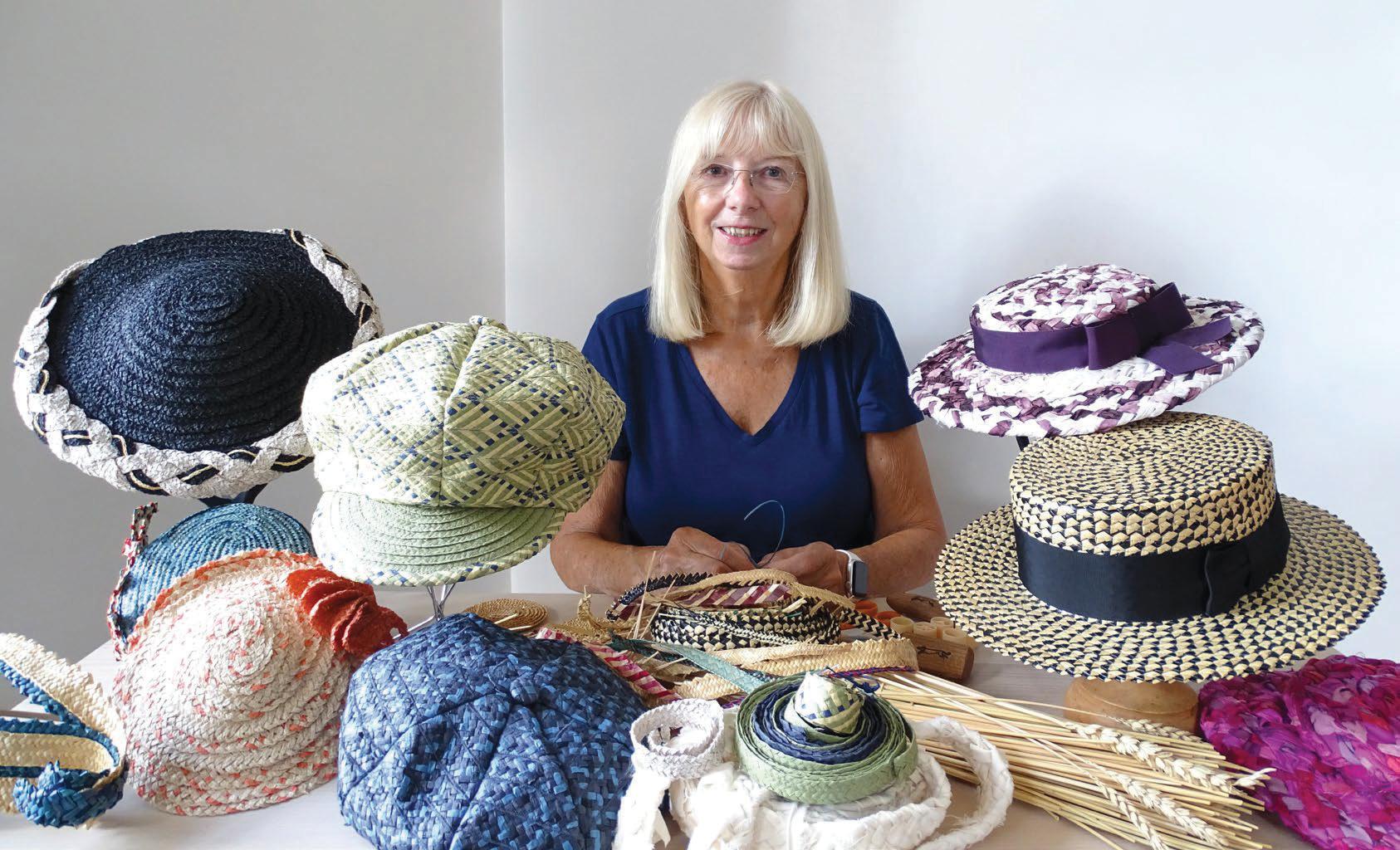
I hope I can help straw plaiting to live on'
Veronica Main, in her 70s, is a straw plaiter.
She lives in Buckinghamshire with her husband Peter.
'Why don't you do something more useful?' asked my mother-in-law. It was 1975, and I had just enrolled on a course to learn how to make corn dollies. They were all the rage and I wanted to create one for my wall. I had no idea that the course would prove life-changing.
I'm left-handed and had never succeeded in handicraft before. But when I felt the straw between my fingers, it was as if the material spoke to me. 'I have no idea what you're doing, but it's working!' my teacher said.
I'd given up working as a research home economist when I married, but my curiosity had never left me. When people remarked that corn dollies were seen as fertility symbols, I wanted to know why. So, I began to research.
In 1978, I opened a small business making and selling the dollies, and was invited to craft shows across the country. One day in 1983, I met two curators from Luton Museum who asked me to come and demonstrate straw plaiting to visitors.
As my research continued, I realised what a poor deal the women plaiters of the past had. They had an invaluable skill, but while the (often male) dealers are remembered, the plaiters' names are lost. One photograph I discovered from The Luton News in 1922 struck me: that of an elderly woman making a fine straw plait, material for a hat to go in Princess Mary's trousseau. The article named the plait dealer, but the woman remained nameless.

Esta historia es de la edición February 24, 2026 de Woman's Weekly.
Suscríbete a Magzter GOLD para acceder a miles de historias premium seleccionadas y a más de 9000 revistas y periódicos.
¿Ya eres suscriptor? Iniciar sesión
MÁS HISTORIAS DE Woman's Weekly

Woman's Weekly
As you get older, your time gets arranged differently'
THIS WEEK'S COLUMNIST Broadcaster and writer Janet Ellis MBE

2 mins
February 24, 2026
Woman's Weekly
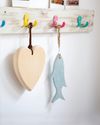
Handy HOOKS
Keep a handle on your clutter with this cheap and cheerful hanger idea - ideal for a hallway
1 min
February 24, 2026

Woman's Weekly
The new VOLUNTEER
A surprise at the charity shop.
3 mins
February 24, 2026

Woman's Weekly
Bite-sized DELIGHTS
Quick and easy sweet treats to bake at home
3 mins
February 24, 2026

Woman's Weekly
A Change OF SCENE
Having misjudged each other, Daisy and Lucinda were in for yet more surprises
10 mins
February 24, 2026
Woman's Weekly
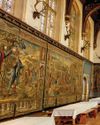
HISTORY hanging by a thread
After nearly 1,000 years, the Bayeux Tapestry returns to Britain in September, marking a rich heritage in this ancient form of woven textiles
2 mins
February 24, 2026

Woman's Weekly
Good to SHARE - FROM US TO YOU
Walk on the wild side, step into Toy Story and meet the aardvarks.
2 mins
February 24, 2026

Woman's Weekly
DO YOU REMEMBER...The Radiogram
Popular from the 1930s onwards, it brought music into the heart of our homes
2 mins
February 24, 2026

Woman's Weekly
Down MEXICO WAY
Vibrant Puerto Vallarta blends beautiful Pacific Coast beaches with wildlife, gardens and food
3 mins
February 24, 2026

Woman's Weekly
Your stars
For 18-24 February with Bracha Goldsmith yourastrologysigns.com
1 mins
February 24, 2026
Listen
Translate
Change font size