Intentar ORO - Gratis
How to spot scams and what to do in an emergency
Tech Advisor
|August 2025
They're not inevitable. STEFFEN ZELLFELDER reports
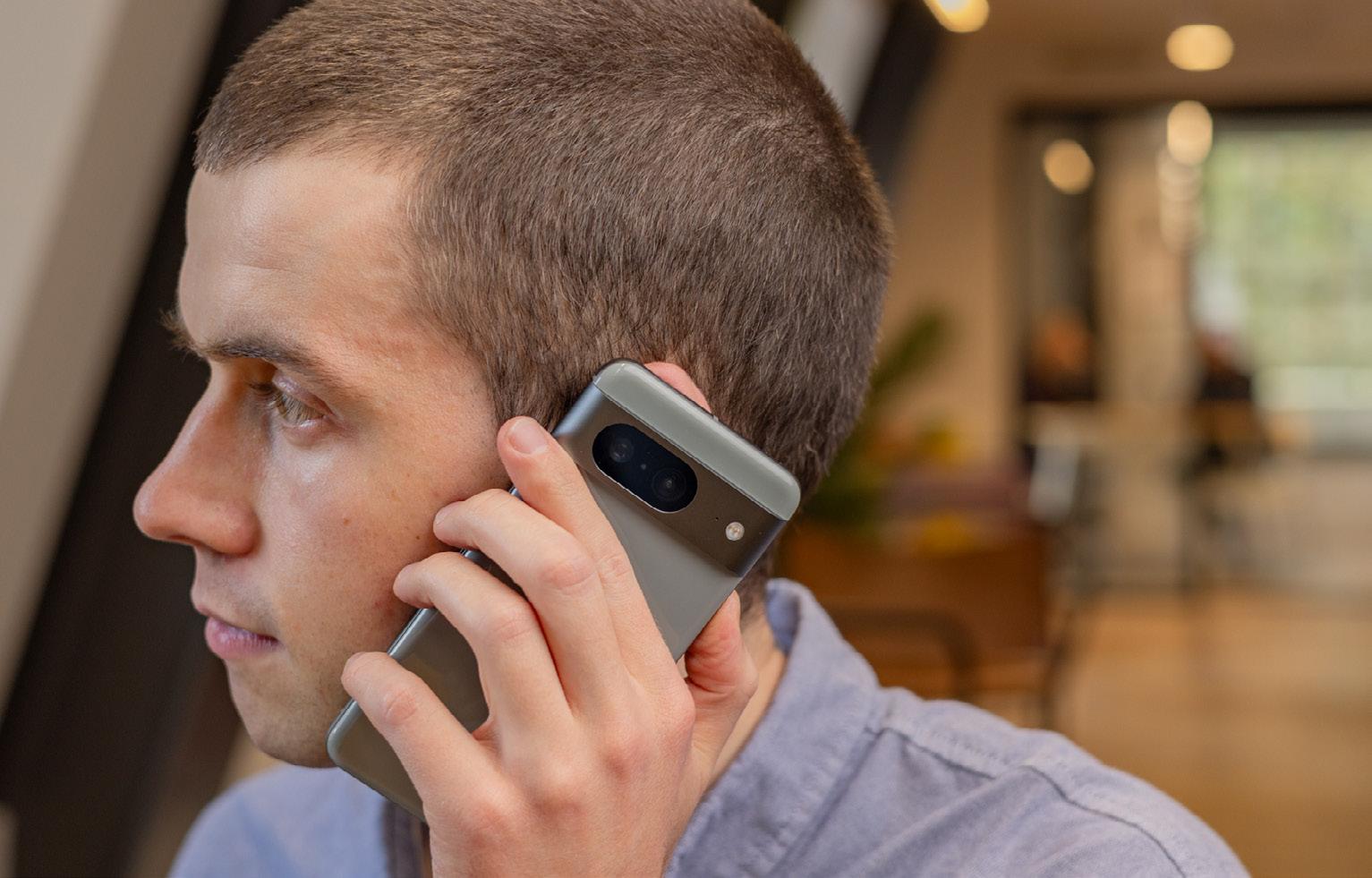
Telephone fraud is widespread, and even prudent users can fall for the tricks of experienced scammers. Whether it's shock calls, the well-known but still successful grandchildren scam, or supposed calls from banks and authorities, the scams used by criminals are becoming increasingly sophisticated. They aim to exploit our fear, willingness to help or curiosity, combined with a lack of appropriate risk awareness.
The consequences are often serious, ranging from financial loss to considerable emotional stress. But there's also good news: if you remain alert, act cautiously and use modern technology in a targeted manner, you can protect yourself effectively against attempted fraud.
In this article, we'll show you how to recognise typical scams used by telephone fraudsters and what specific measures can help you protect yourself against calls to your mobile phone or landline.
TYPICAL SCAMS: WHAT TO EXPECT AT THE MOMENT
Fraud calls can look very different, but usually follow similar psychological patterns. Especially if you have older people in your family, it can be useful to talk to them about the topic and the typical tricks used by criminals so that they are forewarned.
Here are the most common scams at the time of writing:
The grandchild trick
This scam has been around for a long time, but unfortunately, it is still often successful. Here's how it works. An alleged family member calls in tears or contacts you via WhatsApp with a new number (the old mobile phone has supposedly been stolen or lost).
The would-be family member then claims to be in an emergency - for example, after an accident - where money is urgently needed for an operation or for a lawyer.
The grandchild trick often targets senior citizens (hence the name) because they are assumed to be very helpful and technically naive.


Esta historia es de la edición August 2025 de Tech Advisor.
Suscríbete a Magzter GOLD para acceder a miles de historias premium seleccionadas y a más de 9000 revistas y periódicos.
¿Ya eres suscriptor? Iniciar sesión
MÁS HISTORIAS DE Tech Advisor

Tech Advisor
WhatsApp finally arrives on the Apple Watch – and it's only taken 10 years
Dedicated messaging app out now.

1 mins
January 2026

Tech Advisor
Google's latest Pixel Drop update includes some great new features
Here's everything you need to know.
2 mins
January 2026

Tech Advisor
I've switched phones 50 times in five years – here are the 11 things I do first
It's a long process, but it's worth it.
7 mins
January 2026

Tech Advisor
Samsung Galaxy Tab S11
What do people actually want from an Android tablet? It's a question that's been on our minds for a few years now, and judging from the Samsung Galaxy Tab S11, it's been on Samsung's too.
8 mins
January 2026

Tech Advisor
Apple iPad Pro (M5)
Apple's iPad lineup is the most extensive it's ever been.
10 mins
January 2026

Tech Advisor
Google Pixel 10 Pro Fold
Price when reviewed: £1,7449
12 mins
January 2026

Tech Advisor
Got a broken phone screen? Here's how to recover your data
It's difficult but not impossible.
8 mins
January 2026

Tech Advisor
The best tablets you can buy, reviewed and ranked
There's no shortage of choice.
13 mins
January 2026

Tech Advisor
Google might finally address this annoying Pixel phone feature
Avert your Glance.
1 min
January 2026

Tech Advisor
Galaxy Ring set to get a superpower as two more rivals enter the arena
‘Gesture’ command found.
1 mins
January 2026
Listen
Translate
Change font size