Intentar ORO - Gratis
PRETTY IN PINK
WIRED
|July - August 2024
Why did scientists put tangerine DNA in a pineapple-and can this Frankenfruit help change public opinion toward bioengineered foods?

ON A RECENT trip to Giant Eagle, my local grocery store in Pittsburgh, I noticed something new in the fruit section: a single pineapple packaged in a pink and forest-green box. A picture on the front showed the pineapple cut open, revealing rose-colored flesh. Touted as the "jewel of the jungle," the fruit was the Pink glow pineapple, a creation of American food giant Fresh Del Monte.
It cost $9.99, a little more than double the price of a regular yellow pineapple.
I put the box in my cart, snapped a picture with my phone, and shared the find with my foodie friends. I mentioned that its color is the result of genetic modification-the box included a "made possible through bioengineering" label-but that didn't seem to faze anyone. When I brought my Pinkglow to a Super Bowl party, people oohed and aahed over the color and then gobbled it down. It was juicier and less tart than a regular pineapple, and there was another difference: It came with the characteristic crown chopped off. Soon enough, my friends were buying pink pineapples too. One used a Pink glow to brew homemade tepache, a fermented drink made from pineapple peels that was invented in pre-Columbian Mexico.
At a time when orange cauliflower and white strawberries are now common sights in American grocery stores, a non-yellow pineapple doesn't seem all that out of place. Still, I wondered: Why now with the flashy presentation? And why pink? And why had my friends and I snapped it right up?
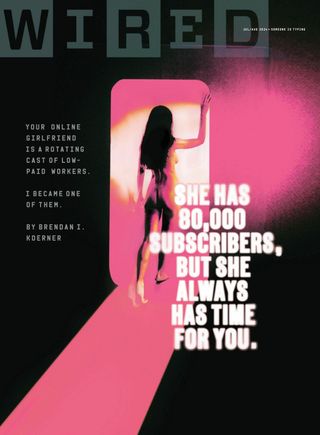

Esta historia es de la edición July - August 2024 de WIRED.
Suscríbete a Magzter GOLD para acceder a miles de historias premium seleccionadas y a más de 9000 revistas y periódicos.
¿Ya eres suscriptor? Iniciar sesión
MÁS HISTORIAS DE WIRED
WIRED
HIDING IN AMERICA
For the past six months, a family in Chicago has been terrified to leave their apartment.

13 mins
May / June 2026
WIRED
DUMBEST PHONE
Kids are going wild for a new landline-like device called the Tin Can, even though they barely know how to use it.
6 mins
May / June 2026
WIRED
AI JOE
How to train a model for war.
3 mins
May / June 2026

WIRED
BLENDING IN
How American camouflage conquered the world.
8 mins
May / June 2026
WIRED
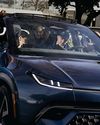
The Fisker Liberation Movement
When an EV company went out of business in 2024, its biggest fans saw an opportunity to bring the “right to repair” to the masses.
21 mins
May / June 2026
WIRED
DON'T INHALE
COBOL is the asbestos of programming languages.
4 mins
May / June 2026
WIRED
CABLE NEWS
SAY GOODBYE TO THE UNDERSEA CABLE
18 mins
May / June 2026
WIRED
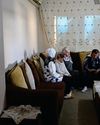
MISSING IN GAZA
They are not alive. They are not dead. They are simply gone.
24 mins
May / June 2026
WIRED
WHAT WOULD SECESSION IN AMERICA LOOK LIKE?
IT'S BECOME ALMOST like a histamine response: After a shocking national event like the assassination of Charlie Kirk, or Donald Trump's deployment of the military to Los Angeles last June, mentions of the term “civil war” and calls for secession surge online.
7 mins
May / June 2026
WIRED
TAREK MANSOUR IS BETTING (NOT GAMBLING!) ON THE FUTURE
The cofounder and CEO of Kalshi believes prediction markets don't just make people money-they also help society.
7 mins
May / June 2026
Listen
Translate
Change font size