Intentar ORO - Gratis
STRANGER THINGS
The Week Junior Science+Nature UK
|Issue 67
Nature is truly unbelievable. Ben Hoare, the author of Weird and Wonderful Nature, goes in search of evolution's craziest creatures
-

AIthough Earth is our familiar home, it is also a weird and wonderful place. And the more we learn about the bizarre creatures we share it with, the weirder and more wondrous it becomes.
Are there really spiders who cook their own supper? Marine animals with exploding backsides? Caterpillars disguised as poo, or beetles that look like mini JCBS? Amazingly, the answer is yes.
Long and short of it
Let's start with those beetles. They are called giraffe weevils and live only in Madagascar (where, by the way, many of the local animals, including lemurs, have evolved to look unlike anything else on the planet). Scientists know of more than 400,000 species of beetle so far a staggering number, yet none of the others have necks quite like these red and black beauties. In male giraffe weevils, their jointed necks stretch so far that their tiny heads are four times taller than the rest of their bodies. You can see how they got their name, but what are those magnificent necks for? The answer is fighting. Rival male weevils neck-wrestle to impress females and win the chance to mate. By a curious coincidence, actual giraffes do the same thing! What about female weevils? Their necks are far shorter and they use them for rolling leaves to make their nests.
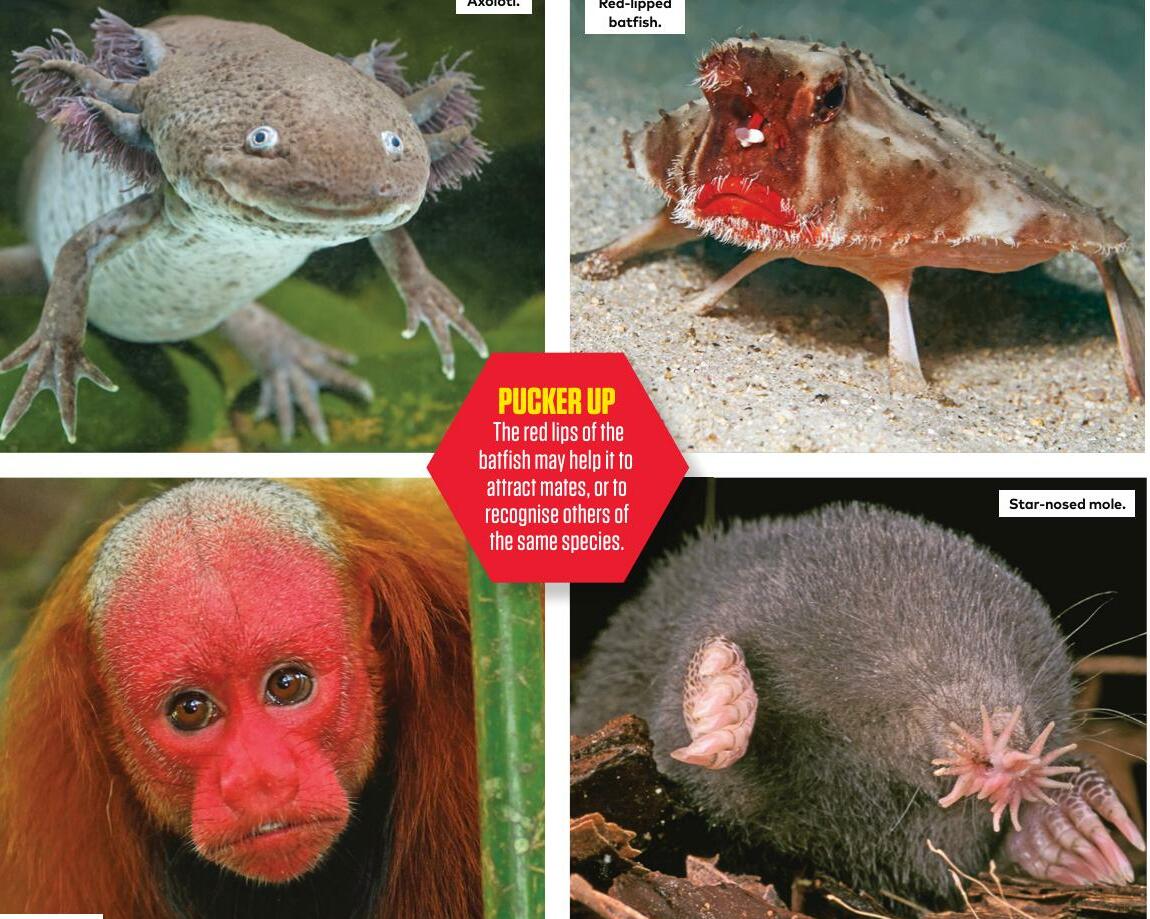
Other animals use their body parts to help them adapt to their environment. Russia's saiga antelope has a nose so huge and droopy, it is almost a trunk. It looks a bit odd, but is ideal for life in dusty plains, since it filters dirt from the air. The antelope's massive hooter also heats up incoming air when it is cold, and helps cool air when it is hot, ensuring that the animal is always comfortable.
One of a kind

Esta historia es de la edición Issue 67 de The Week Junior Science+Nature UK.
Suscríbete a Magzter GOLD para acceder a miles de historias premium seleccionadas y a más de 9000 revistas y periódicos.
¿Ya eres suscriptor? Iniciar sesión
MÁS HISTORIAS DE The Week Junior Science+Nature UK
The Week Junior Science+Nature UK
FIGHTING THE FREEZE
Claire Karwowski uncovers nature's wildest ways of fighting the winter freeze.

6 mins
Christmas 2025
The Week Junior Science+Nature UK
Cook up bioplastic decorations
Make your own eco-friendly ornaments.
1 min
Christmas 2025

The Week Junior Science+Nature UK
Should we switch off Christmas lights?
They brighten up the festive season, but they can have a negative impact on the environment.
1 mins
Christmas 2025
The Week Junior Science+Nature UK
Three spectacular illuminations
Glow Wild, Wakehurst
1 min
Christmas 2025

The Week Junior Science+Nature UK
THE LAST DAYS OF POMPEII
For the first time, an immersive exhibition about the destruction of the ancient Roman city of Pompeii has opened in London.
1 min
Christmas 2025
The Week Junior Science+Nature UK
Wildlife watch
Jenny Ackland unveils a winter wonderland of natural delights this festive season.
1 mins
Christmas 2025
The Week Junior Science+Nature UK
Make Snow globes
Create the perfect Christmas gift.
1 min
Christmas 2025

The Week Junior Science+Nature UK
Maggie Aderin-Pocock
Meet the scientist \"blasting off into space\" at the Christmas Lectures.
3 mins
Christmas 2025
The Week Junior Science+Nature UK
Make vegan eggnog
Whip up a dairy-free festive winter warmer that is perfect for cold nights.
1 min
Christmas 2025
The Week Junior Science+Nature UK
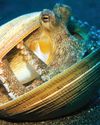
Octopuses
Meet the colour-changing, shape-shifting, fortune-telling aliens of the seas.
2 mins
Christmas 2025
Translate
Change font size