Intentar ORO - Gratis
Could we use volcanoes to make electricity?
The Week Junior Science+Nature UK
|March 2025
Find out if people could tap into Earth's fiery depths to generate energy.
-
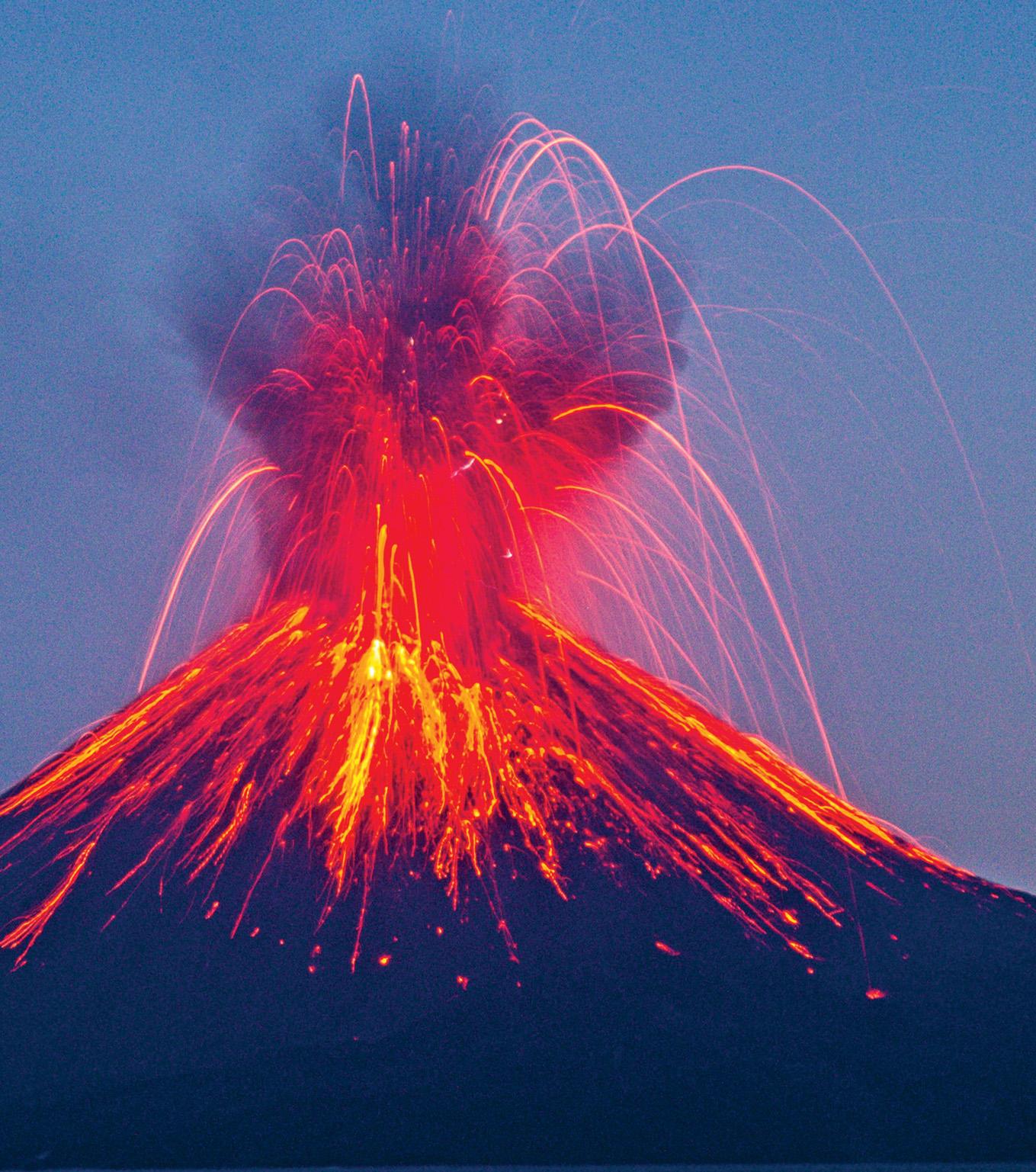
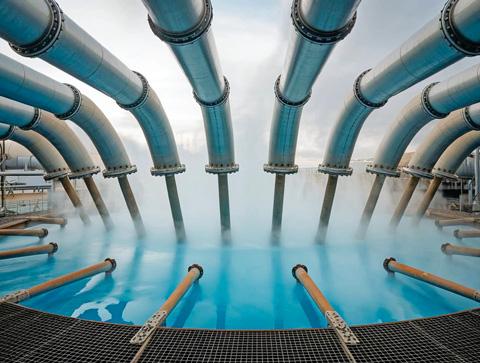
Turning red-hot lava from an active volcano into electricity would be dangerous and unreliable. It’s hard to know when volcanoes will erupt – they are unpredictable – and lava cools much too quickly. Many countries, however, have found ways to tap into volcanic heat to generate electricity.
Geothermal energy is heat that is produced by natural processes deep within the planet. In most areas, this heat only warms rocks and underground water near the surface. In volcanically active regions, however, it is much more intense. Sometimes it’s enough to melt rock and form magma (molten rock).
Harnessing an explosive power
Volcanoes act like giant chimneys, raising magma closer to Earth’s surface. Some of this molten rock may erupt onto the surface, but most of it stays underground, heating the surrounding rocks and water. Where heated water rises to the surface, you can find hot springs that can last for thousands of years.

Esta historia es de la edición March 2025 de The Week Junior Science+Nature UK.
Suscríbete a Magzter GOLD para acceder a miles de historias premium seleccionadas y a más de 9000 revistas y periódicos.
¿Ya eres suscriptor? Iniciar sesión
MÁS HISTORIAS DE The Week Junior Science+Nature UK

The Week Junior Science+Nature UK
Make a smoothie bowl
Use left-over fruit and veg to whip up this breakfast treat.

1 min
May 2026

The Week Junior Science+Nature UK
Indian snakes travel by train
King cobras - the world's longest venomous snakes - are slithering on board trains across India, researchers have revealed.
1 min
May 2026

The Week Junior Science+Nature UK
Carr House Meadows
The UK's wildflower meadows are often brimming with life, colour and sound. As these habitats are full of plant and animal species, they are very precious.
1 min
May 2026

The Week Junior Science+Nature UK
Did dragons ever exist?
These fire-breathing monsters have been flying into stories for centuries.
2 mins
May 2026

The Week Junior Science+Nature UK
Should big species return to the UK?
Would you be happy about large animals roaming our countryside - including predators?
1 mins
May 2026

The Week Junior Science+Nature UK
SAVING CORAL REEFS
Find out how scientists, conservationists and imaging experts are joining forces to discover more about corals and bring reefs back to life.
1 mins
May 2026
The Week Junior Science+Nature UK
THE SECRET LIFE OF BEES
Step into a miniature world that quite literally buzzes with life.
1 min
May 2026
The Week Junior Science+Nature UK
Windermere Science Festival
On 9 and 10 May, Windermere Science Festival returns to Windermere Jetty Museum. Get ready for science-themed family fun, including roving robots and awesome virtual reality.
1 min
May 2026

The Week Junior Science+Nature UK
Aneeshwar Kunchala
Hear from a young TV star about his new series and his ambition to save wildlife.
3 mins
May 2026

The Week Junior Science+Nature UK
WORLD'S OLDEST COCKATIEL
Sonny, a family pet living in the US state of Illinois, has been officially recognised as the oldest of his species.
1 min
May 2026
Listen
Translate
Change font size