
Vuélvete ilimitado con Magzter GOLD
Obtenga acceso ilimitado a más de 9000 revistas, periódicos e historias Premium por solo
Intentar ORO - Gratis
HOW ANIMALS LIVE IN EXTREMES
How It Works UK
|Issue 192
Surviving in some of the world's harshest environments is tough, but not for these robust species

LIFE AT THE DEEPEST DEPTHS
The world's oceans are some of the most hostile environments to live in. From freezing polar waters to the darkness of the oxygen-depleted abyssal zone, life has adapted to the many different challenges that the ocean has to offer. Deep-sea creatures quite literally have to bear the weight of the world's water on their proverbial shoulders. To avoid being crushed by their highpressure environment, many deepsea species have evolved bodies made up mainly of water and utilise molecules called piezolytes to counteract the weight of the surrounding water. For example, more than 8,000 metres below the ocean surface off the coast of Japan, scientists have found what is potentially the deepest-dwelling fish in the world, the Mariana snailfish. The snailfish's piezolytes increase the space that proteins take up in a cell and prevent water from pushing its way inside.
Arguably the most hostile environments for life underwater can be found 2,500 metres below the ocean's surface, where hydrothermal vents called black smokers are found. These holes in the seafloor are where magma and water meet. Temperatures up to around 300 degrees Celsius and toxic gas emissions are just some of the hurdles that many animals have to overcome to call these vents home.
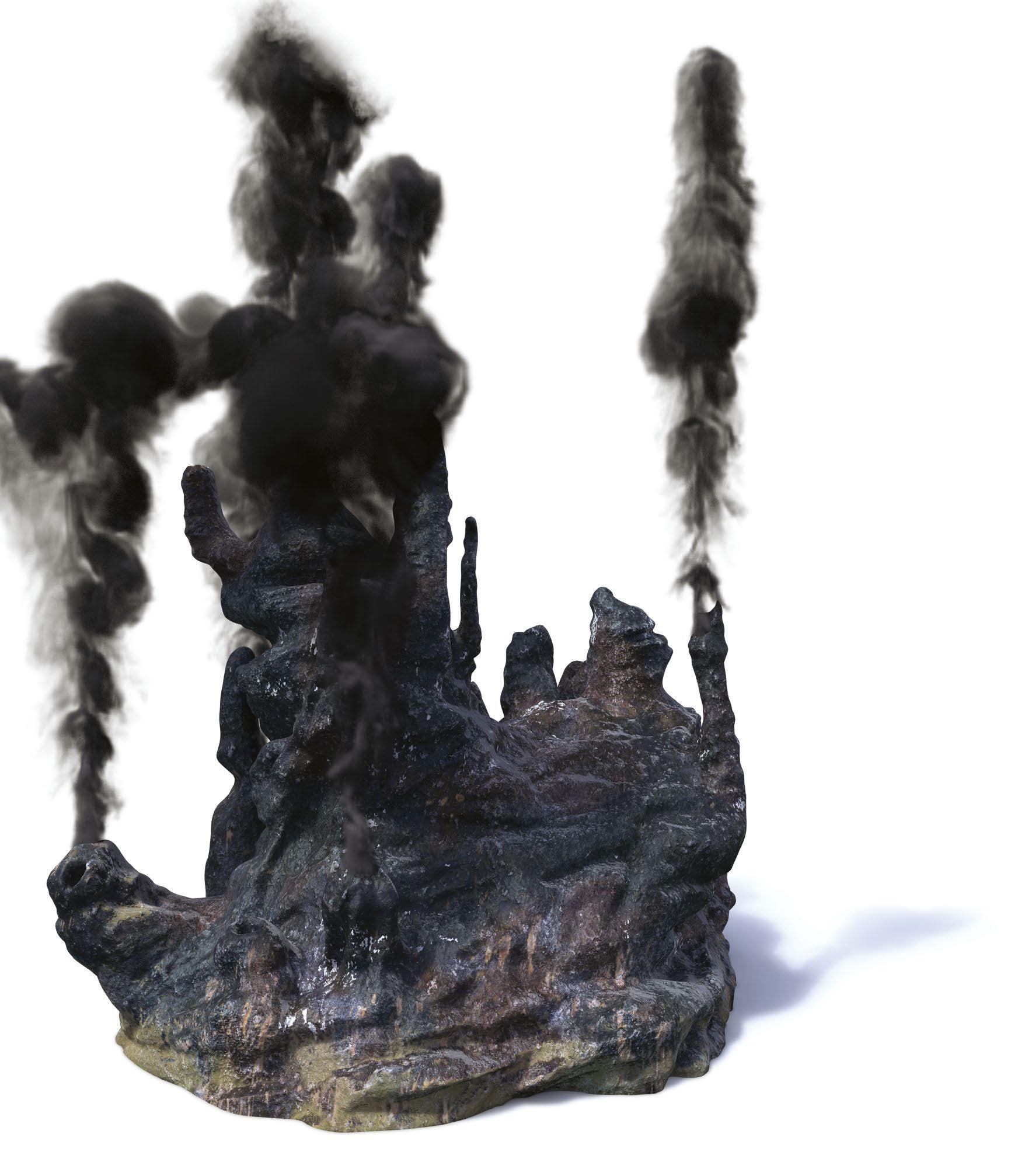 LIFE AT THE VENTS
 Some of the animals that call these toxic underwater chimneys home
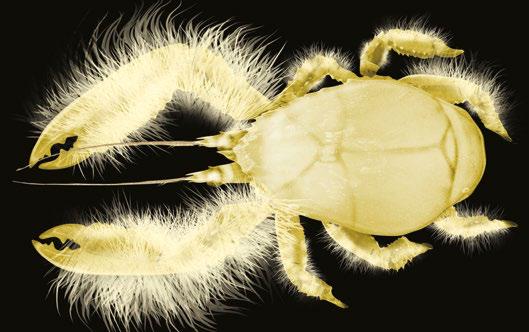 1 YETI CRAB

Esta historia es de la edición Issue 192 de How It Works UK.
Suscríbete a Magzter GOLD para acceder a miles de historias premium seleccionadas y a más de 9000 revistas y periódicos.
¿Ya eres suscriptor? Iniciar sesión
MÁS HISTORIAS DE How It Works UK

How It Works UK
FORMULA FAST
YOUR ULTIMATE GUIDE TO FORMULA ONE RACING

1 mins
Issue 212

How It Works UK
MY LIFE AS AN ASTHMANAUT
A CHILDREN'S BOOK ABOUT ASTHMA
1 min
Issue 212

How It Works UK
LYDIA LOVES BUGS
A SHORT AND SWEET STORY OF AN ENTHUSIASTIC ENTOMOLOGIST
1 min
Issue 212

How It Works UK
INSIDE A DRONE
Drones aren't just for the military any more. These flying marvels are now taking over our lives
3 mins
Issue 212

How It Works UK
WE CAN HEAR WITHOUT EARS
AND OTHER THINGS YOU DIDN'T KNOW WE PLANTS COULD DO
1 min
Issue 212
How It Works UK
DO GEESE GET GOOSEBUMPS?
Many animals experience a similar reaction when they feel cold or scared
2 mins
Issue 212
How It Works UK
SUBMARINES WITHOUT SAILORS
Dive into the world of autonomous submarines and discover the mission that will see one sail around the world
4 mins
Issue 212
How It Works UK
WHAT HAPPENS INSIDE A COCOON?
How certain species of insects transform from crawling caterpillars to flying moths and butterflies
3 mins
Issue 212

How It Works UK
HOW THE ROSE LOST ITS SCENT
From floral to fragranceless, there's a biological reason behind a rose's missing odour today
3 mins
Issue 212
How It Works UK
How many insects have been discovered so far?
The total number of named species is around a million.
7 mins
Issue 212
Listen
Translate
Change font size